
A fast pork-skillet secondo from the Alto Vastese of Chieti province, strongly rooted in the village of Cupello. Mixed fatty cuts and trimmings of pork — ribs and spareribs, jowl and belly — are cut small and pan-fried hard in an iron skillet with garlic, dried sweet pepper, white wine, rosemary and bay. It is a dish of the maialatura, the winter pig slaughter, made from the cuts left over once the salumi were set aside: nothing wasted, everything fried up together while the work was being done.


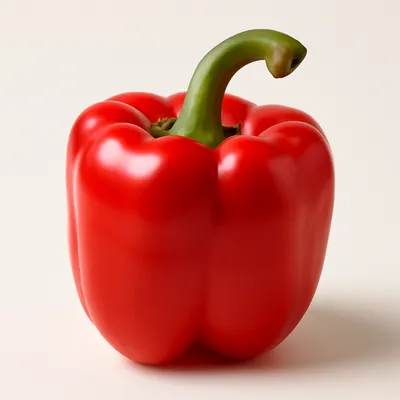


Cif e ciaf is one of the most representative dishes of the maialatura in inland southern Abruzzo, where it is strongly tied to the comune of Cupello in the Alto Vastese. When a family killed its pig in winter, the prime cuts went to sausages, hams and lardo to be cured; the offcuts and fatty trimmings that could not be preserved were eaten at once, fried fast in a pan during the communal, festive work of butchery. The lively dialect name is generally taken to imitate the sizzle and clatter of the cooking, though that reading is not firmly documented. It is plain cucina povera and contadina — a peasant dish with no dated origin and no single fixed recipe.
The pork comes out browned and crusted at the edges, the fatty cuts rendered soft and unctuous inside, the leaner pieces firm. Crushed garlic cloves cooked in their skins turn sweet and mellow. The dried sweet peppers go silky and slightly jammy in the pan juices, lending sweetness rather than heat. White wine and rosemary cut the richness so it never feels heavy on the palate, just deeply porky and savoury.
Mixing fatty and lean cuts is what makes the dish work: as the skillet heats, the fat renders and becomes the cooking medium, basting and browning the leaner pieces so nothing dries out. The hard, fast pan-fry drives a Maillard crust on the meat for savoury depth, then a splash of white wine deglazes the browned fond from the iron and reduces to a light pan sauce. The dried sweet peppers, rehydrating in those juices, release their concentrated sugars to balance the fat and rosemary.
Variations
The exact pork mix varies by household — guanciale, pancetta, spareribs and bone-in breast all turn up, and some cooks add a little tomato passata while others keep it 'white' and tomato-free. Chilli appears in some versions for heat, on top of the sweet pepper. Rind, liver or fresh sausage are sometimes thrown in depending on what the butchery left, though none of these is fixed. It is served hot from the pan, with bread to mop the juices.
On the Palate
Where Cif e Ciaf sits in the Italian flavor cloud
Ingredients
Serves 4

How it's made
6 steps · 25 min
- 115 min
Cut the mixed pork — ribs, spareribs, jowl and belly — into small, bite-sized pieces; lightly smash the garlic cloves, leaving the skins on.
- 23 min
Heat a heavy iron skillet with a little olive oil, add the fattiest pieces first, and let the fat begin to render.
Watch outRender the fattiest pieces first so their fat becomes the cooking medium — it bastes the leaner cuts and keeps nothing dry.
- 38 min
Add the rest of the pork, the garlic and bay, and pan-fry over high heat, turning, until everything is well browned and crusted.
- 44 min
Pour in the white wine and let it bubble down, scraping the browned bits from the bottom of the pan.
Watch outDeglaze with white wine and scrape the browned fond up — that stuck-on crust is the flavor of the pan sauce.
- 55 min
Add the dried sweet peppers torn into pieces and the rosemary, season with salt and pepper, and cook a few minutes more until the peppers soften into the juices.
- 61 min
Serve straight from the skillet, hot, with crusty bread alongside.
Archive tool suggestions — not reviewed
These legacy suggestions have not been evidence-reviewed and are not presented as required tools.



