San Daniele del Friuli's great cured ham, made from just three things: the hind leg of a heavy Italian pig, sea salt and the town's own microclimate, with no additives, nitrites or nitrates. Salted for as many days as it weighs in kilograms, pressed flat into its characteristic violin or 'guitar' shape with the trotter left on, and aged a minimum of 400 days, it comes out sweet, delicate and deep-coloured. The town sits on a morainic hill at 252 m where cold Carnic Alpine air meets the warm salt breeze off the Adriatic, thermoregulated by the river Tagliamento — a cure no factory can copy. Protected by a Consorzio since 1961 and DOP since 1996, it is Friuli's most famous food.



San Daniele's ham is traced by local sources to Celtic and then Roman salting practice, and the town's hams were, the Consorzio records, already eaten in quantity at the Council of Trent in 1563. Its production is defined by geography: the small morainic amphitheatre at 252 m, ventilated by opposing Alpine and Adriatic air currents and thermoregulated by the Tagliamento, gives a cure achievable nowhere else, and the pressed 'guitar' shape and retained trotter became its identifying marks. A protective Consorzio was formed in 1961; Italy granted denominazione di origine in 1970 under law 507, and the European Union confirmed DOP status in 1996 under Reg. CE 1107/96. By statute the ham may contain nothing but the leg of a heavy Italian pig — raised in ten authorised central-northern regions — and sea salt, and must cure a minimum of about 13 months.
Hand-cut in near-transparent slices, deep rose to garnet with a clean rim of white fat, the meat is tender and supple. It tastes markedly sweet and delicate for a raw ham, with a soft nutty depth from the long cure and a low, well-judged salt that lets the sweetness lead.
The cure is a controlled reduction of water activity. Salting by weight — roughly one day of sea salt per kilogram — draws water osmotically from the muscle and drives sodium and chloride ions in to bind myofibrillar proteins and begin denaturing them. The pressatura, unique to San Daniele, mechanically forces this salt from surface toward the bone, evening out the cure and flattening the leg. As water activity falls below the level pathogens need, the ham is safe without nitrites. Over 400-plus days, endogenous muscle enzymes do the flavour work: cathepsins and other proteases cleave proteins into free amino acids and peptides — glutamate builds savour while others read sweet — and lipases split fats into aromatic free fatty acids and aldehydes. The rice-flour-and-lard sugnatura on the cut face slows surface evaporation so the interior dries evenly and never case-hardens, and the seasonal swing of Alpine-Adriatic air through the drying rooms paces the whole slow transformation.
Variations
Eaten above all raw and hand-sliced, classically with fresh figs or melon, or on warm bread with butter. Longer curing, to 14–18 months and beyond, deepens the aroma and firms the meat. It differs from Prosciutto di Parma, its great rival, chiefly in the retained trotter, the pressed 'guitar' shape, the darker colour and a cure many consider sweeter and more delicate; unlike Speck or Sauris ham it is never smoked.
On the Palate
Where Prosciutto di San Daniele sits in the Italian flavor cloud
Ingredients
Serves 10How it's made
8 steps · 1 hour
- 160 min
Start from the fresh hind leg of a heavy Italian pig raised in one of ten authorised central-northern regions, the trotter left on; trim and shape the leg and chill it well to firm the meat.
- 218720 min
Salt with sea salt alone and hold the leg cold, leaving it under salt for a number of days equal to its weight in kilograms, so a 13 kg leg salts about 13 days.
Watch outSalt by the leg's weight in kilograms — a day per kilo; too little salt and it won't cure safely, too much and it turns harsh and dry.
- 320160 min
Brush off the salt and rest the leg cold for several weeks so the salt equalises through the muscle.
- 460 min
Pressatura: press the leg flat under weight, the step unique to San Daniele, driving salt deep toward the bone and giving the ham its flattened 'guitar' shape.
- 590 min
Wash and dry the leg, then move it to the drying rooms and open the windows to the San Daniele air so temperature and humidity ride the seasons.
- 630 min
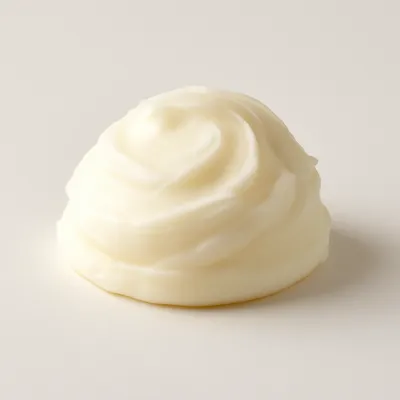
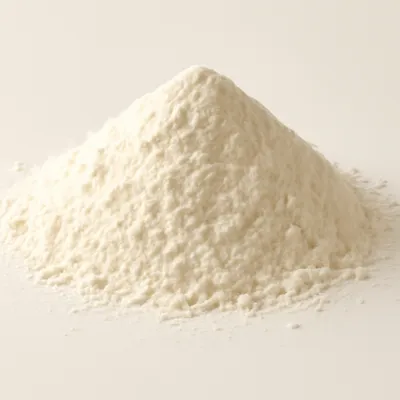
Sugnatura: seal the exposed muscle face with sugna, a soft paste of pork fat and rice flour, to slow moisture loss and prevent the surface hardening.
Watch outSeal the exposed muscle with sugna so it dries slowly and evenly — skip it and the surface hardens into a crust before the inside cures.
- 7576000 min
Age in the town's morainic-hill microclimate for a minimum of 400 days, about 13 months, from salting, the trotter kept on to protect the leg's integrity.
- 820 min
Probe with a horse-bone needle to confirm a clean, sweet aroma, then hand-slice paper-thin and serve at room temperature with figs or melon.


