
A Piedmontese winter dish in which raw stalks of the hunchback cardoon of Nizza Monferrato (cardo gobbo) are dipped into bagna càuda, the region's hot bath of garlic, anchovy and olive oil. The pale, tender ribs are trimmed of strings, cut into batons and, unusually for a cardoon, eaten raw and crisp straight from the dipping pot. The hot sauce is kept gently warm at the table in a terracotta or copper warmer over a small flame. It is the signature vegetable of the Piedmontese bagna càuda table, served communally as a starter or shared centrepiece.
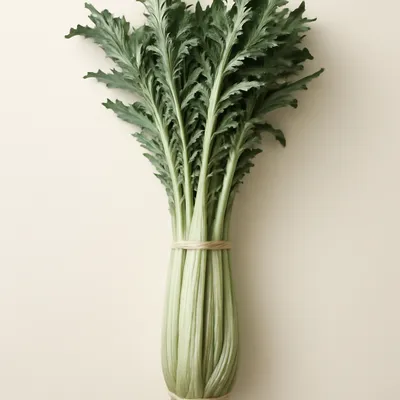




The dish unites two protected Piedmontese specialities. Bagna càuda is an old peasant dip of garlic dissolved in oil with salted anchovies; a recipe of «oil, garlic and salt with dissolved anchovies, into which the cardoon is dipped» is recorded in 18th-century Piedmontese cookery. The cardo gobbo di Nizza Monferrato, a Slow Food Presidium grown in the sandy Belbo valley, is the one cardoon prized for eating raw: in September the tall plants are bent over and buried, and as they push back toward the light the buried stalks curve, lose their chlorophyll, and turn white, sweet and tender — the «hunchback» (gobbo) form. The pairing of this raw cardoon with bagna càuda is the canonical match of the Piedmontese winter table.
The raw cardoon is crisp and juicy with a clean, faintly bitter, celery-like crunch and none of the stringiness of a cooked stalk. Against it the bagna càuda is warm, soft and intensely savoury — garlic gone sweet and mellow, anchovy melted to a deep salty umami, all carried in silky olive oil that coats the rib. The contrast is the whole point: cool crisp vegetable, hot rich sauce. The garlic should be tamed and creamy, not raw and harsh; a sauce that has fried rather than melted turns bitter and acrid and overwhelms the delicate stalk.
Two things make the dish: blanching the cardoon in the field, and emulsifying the sauce. The buried, light-starved stalks stop making chlorophyll and stay low in the bitter, fibrous compounds of a green cardoon, so they turn white, sweet and crisp enough to eat raw — the same etiolation that whitens chicory or white asparagus. In the bagna càuda the garlic is held in oil at a low temperature so it slowly softens and dissolves rather than frying; its harsh raw sulphur compounds mellow with gentle heat, and the anchovies break down into the oil, their proteins and fats dispersing to a thick, savoury sauce. Keeping it warm over a flame holds this loose emulsion fluid for dipping; let it get too hot and the garlic browns and turns bitter.
Variations
Around the same dipping pot the cardoon is joined by other raw and cooked vegetables — the square pepper of Asti, Jerusalem artichoke, spring onions, cabbage and roasted peppers. The sauce itself varies: a milder, rounder version simmers the garlic in milk first to soften its bite, and some cooks finish the meal by scrambling an egg in the leftover bagna càuda. The dish is the signature use of the cardo gobbo; it is closely tied to the broader Piedmontese bagna càuda spread, of which the raw cardoon is the most prized vegetable.
On the Palate
Where Cardi alla Bagna Cauda sits in the Italian flavor cloud
Ingredients
Serves 6How it's made
8 steps · 25 min active + 5 min waiting
- 18 min
Strip the outer strings from the cardoon ribs with a small knife, discarding the tough and green outer stalks.
- 25 min
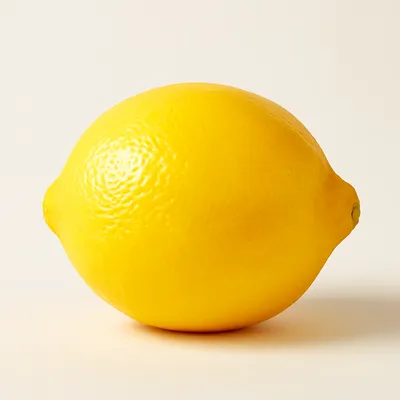
Cut the pale tender ribs into batons and drop them into water with a little lemon juice to keep them white.
- 34 min
Peel the garlic cloves and slice them thinly.
- 412 min
Warm the garlic very gently in the olive oil over low heat so it softens and dissolves without frying or browning.
Watch outWarm the garlic very gently in the oil so it softens and dissolves without browning — let it fry or color and the sauce turns acrid instead of sweet and mellow.
- 56 min
Add the salted anchovies and stir until they melt into the oil to a thick, fragrant sauce.
Watch outStir the anchovies until they fully melt into the oil into a thick, fragrant sauce — undissolved bits leave the dip patchy and raw-tasting.
- 62 min
Pour the bagna càuda into a terracotta or copper warmer set over a small flame.
- 73 min
Drain and dry the cardoon batons and arrange them around the warmer.
- 82 min
Serve at once, each diner dipping the raw cardoon into the hot sauce.
Archive tool suggestions — not reviewed
These legacy suggestions have not been evidence-reviewed and are not presented as required tools.


