Pasta al limone is a bright, creamy lemon pasta — spaghetti or linguine bound in a glossy emulsion of lemon juice and zest, butter, Parmigiano-Reggiano and a little starchy pasta water, with cream optional. It is light, fast and intensely summery, the whole dish coming together in the time it takes the pasta to cook. The flavour leans on the fragrant peel as much as the juice, so the lemons matter: it is closely tied to the Amalfi Coast and its prized IGP lemons. Finished with black pepper and sometimes basil, it is a study in how few ingredients can taste like a great deal.

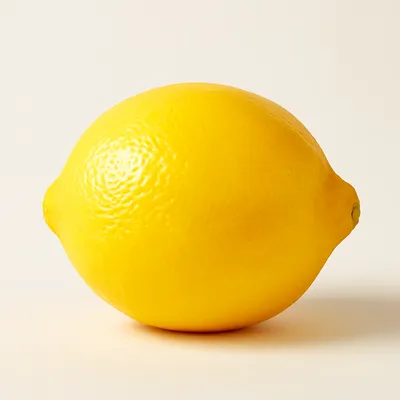




Pasta al limone is a relatively simple, modern home- and restaurant-style dish with no single documented inventor; its precise origin is unknown beyond a clear regional association. It belongs to Campania and above all the Amalfi Coast and Sorrento peninsula, whose terraced groves grow the lemons the dish is built on. The headline variety is the Sfusato Amalfitano, sold under the "Limone Costa d'Amalfi" mark, which the European Union recognised as a Protected Geographical Indication (IGP/PGI) by Regulation (EC) No. 1356 of July 2001. These tapered, thick-skinned lemons are prized for an intensely aromatic, essential-oil-rich peel and a sweet-tart, low-bitterness juice — qualities that make a lemon-forward sauce sing rather than turn harsh.
It hits bright and citrus-sharp on the first forkful, then rounds out as the butter and Parmigiano fill in a savoury, faintly nutty richness underneath. The sauce is silky and clings without feeling heavy; the grated zest releases little bursts of perfumed lemon oil that the juice alone can't give. A grind of black pepper cuts the richness, and the finish is clean and tart rather than cloying.
The sauce is an emulsion, and the trick is keeping it smooth: lemon's acidity can curdle dairy by causing the milk proteins to clump, so the fat, cheese and acid must be brought together gently. The reliable method is to build the sauce off the heat — melt butter (and warm cream, if used) with a ladle of starchy pasta water, then toss the just-drained pasta through it before adding the lemon juice and Parmigiano. The starch from the pasta water and the residual heat of the noodles, rather than a hot pan, drive a stable emulsion: the starch coats the fat droplets and buffers the proteins so the sauce turns glossy instead of splitting. Zest is added for aroma — it carries the lemon's essential oils, chiefly limonene, concentrated in the peel — while the juice supplies the acidity. Tossing vigorously and adding pasta water a little at a time loosens the sauce to a clinging, creamy gloss; too much direct heat after the acid goes in is what curdles it.
Variations
The main fork in the road is cream versus no cream: a richer version emulsifies butter, Parmigiano and lemon into warm cream, while the leaner, more traditional take skips cream entirely and relies on butter, cheese and pasta water alone. Olive oil can stand in for some or all of the butter for a lighter, more southern profile. Long pasta is usual — spaghetti, linguine or tagliolini — and the dish takes well to a handful of torn basil or mint, a little extra zest at the table, or, in heartier versions, prawns or shaved zucchini. As a citrus pasta it is, in the Italian manner, a cheese exception only because the Parmigiano is built into the sauce, not showered on at the end.
On the Palate
Where Pasta al Limone sits in the Italian flavor cloud
Ingredients
Serves 4
How it's made
7 steps · 15 min
- 110 min
Bring a large pot of well-salted water to the boil and cook the spaghetti to al dente; reserve a generous cup of the starchy cooking water before draining.
Watch outPull the spaghetti a touch before it softens fully and save a good cup of the cloudy water, since that starch is what later holds the lemon-and-cheese sauce together.
- 24 min
While the pasta cooks, finely grate the zest of the lemons (avoiding the white pith) and squeeze the juice; finely grate the Parmigiano-Reggiano.
- 32 min
In a wide pan off direct high heat, melt the butter with a ladle of the reserved pasta water (warm in the cream now if using) to a loose, creamy base.
- 42 min
Add the drained pasta to the pan and toss to coat, loosening with a little more pasta water until the strands are slicked and glossy.
- 52 min
Off the heat, add the lemon juice, most of the zest and the grated Parmigiano; toss vigorously so the cheese melts into a smooth emulsion rather than clumping, adding pasta water as needed.
Watch outAdd the lemon juice and cheese off the heat and toss hard, so the residual warmth melts it into a glossy emulsion; a hot pan curdles the acid into cheese clumps.
- 61 min
Taste and balance: more lemon for brightness, a little more cheese or butter for body; the sauce should cling, not pool.
- 71 min
Plate at once, finishing with the remaining zest, a grind of black pepper, a thread of olive oil and, if you like, a few torn basil leaves.
Archive tool suggestions — not reviewed
These legacy suggestions have not been evidence-reviewed and are not presented as required tools.