
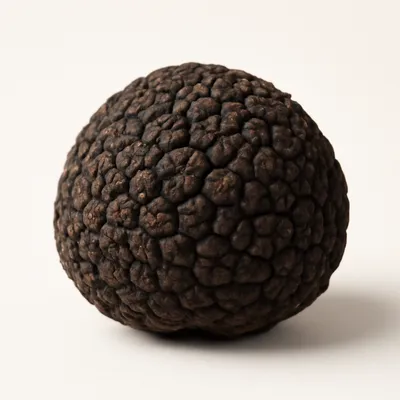
An Alpine melted-cheese dish from the Valle d'Aosta and neighbouring Piedmont, built on Fontina DOP — a raw cow's-milk cheese aged on spruce shelves and one of the great melting cheeses. The cubed Fontina is soaked in milk for hours, then melted slowly over gentle heat with butter and egg yolks into a smooth, custard-thick cream. Unlike Swiss fondue it contains no wine and no garlic; the richness comes from the cheese and yolks alone. It is eaten with bread, often over or beside polenta, and in autumn is finished with shavings of white truffle from Alba.





Fonduta is the Italian Alpine cousin of Swiss and Savoyard fondue, rooted in the Valle d'Aosta, the small French- and Italian-speaking region where Fontina cheese is made; it is equally claimed by Piedmont, whose Langhe hills supply the white truffle that crowns the festive version. The exact origin is unrecorded, as with most Alpine peasant cheese dishes, but it follows the long mountain logic of melting a fat winter cheese into a warm communal dish. Fontina itself is documented in the Aosta valley since at least the 15th century, and was granted DOP (Protected Designation of Origin) status in 1996, which fixes its production zone and method.
Pale gold and pourable, somewhere between a thick sauce and a loose custard — it should coat a bread cube and slide, not sit in a stiff lump. The flavour is nutty and faintly grassy from the Fontina, rounded and softened by butter and egg yolk rather than sharpened by wine. A correct fonduta is glossy and homogeneous; a failed one is grainy, oily, or stringy where the cheese has tightened and the fat has wept out. White truffle, shaved on at the table, adds a garlicky-musky perfume that lifts the whole dish.
Soaking the Fontina in milk first hydrates the cheese and starts dispersing its proteins, so it melts evenly instead of seizing. The whole dish is built on a fragile emulsion: melted milkfat held in suspension by casein proteins, with the egg yolks acting as the key emulsifier — their lecithin binds fat and water into one smooth cream, exactly as in a custard. The heat must stay gentle, never a hard simmer; if the mixture boils, the yolk proteins coagulate and the cheese proteins over-tighten, and the emulsion breaks into curds and oil. Constant stirring keeps the temperature even and works the starch and proteins together until it thickens.
Variations
The Piedmontese version, fonduta piemontese, is the one classically finished with shavings of Alba white truffle in autumn; the Valdostan version is plainer and often served with or over polenta. Some cooks bind the base with a little flour for stability, and the cream is also used as a sauce poured over gnocchi, eggs, or vegetables rather than eaten as a dip. It sits alongside, but is distinct from, Swiss fondue (which uses wine, kirsch, and garlic) and French fondue savoyarde.
On the Palate
Where Fonduta sits in the Italian flavor cloud
Hold the heat below a simmer once the yolks go in — the whole dish is a fragile yolk-and-cheese emulsion, and one real boil coagulates the egg and breaks it into oil and curds.
Ingredients
Serves 4
How it's made
7 steps · 40 min
- 110 min
Remove the rind from the Fontina and cut the cheese into small cubes or thin slices.
- 2120 min
Place the cheese in a bowl, cover with the milk, and leave to soak for at least 2 hours or overnight in the fridge.
- 33 min
Melt the butter in a heavy saucepan or fondue pot over very low heat.
- 48 min
Add the soaked cheese together with its milk and stir constantly with a wooden spoon as it slowly melts.
Watch outStir constantly as it melts and keep the mixture hot but never bubbling — steam is fine, a simmer is not.
- 54 min
When the cheese has melted and the mixture is hot but not simmering, beat in the egg yolks one at a time, stirring fast so they do not scramble.
Watch outThe moment before the yolks go in, the surface should just shiver, not break with bubbles.
- 66 min
Keep stirring over gentle heat until the fonduta is smooth, glossy, and thick enough to coat the spoon; season lightly with salt and pepper.
Watch outIt's done when it turns glossy and thick enough to coat the back of the spoon in a smooth sheet.
- 73 min
Pour into warm bowls, shave over white truffle if using, and serve at once with bread cubes and polenta.
Archive tool suggestions — not reviewed
These legacy suggestions have not been evidence-reviewed and are not presented as required tools.


