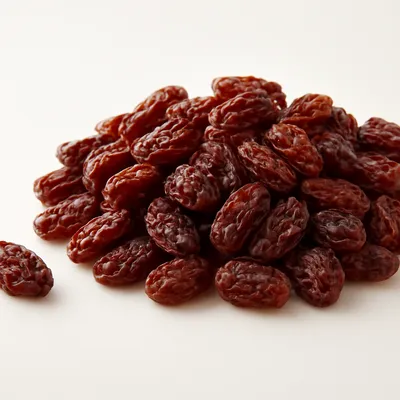
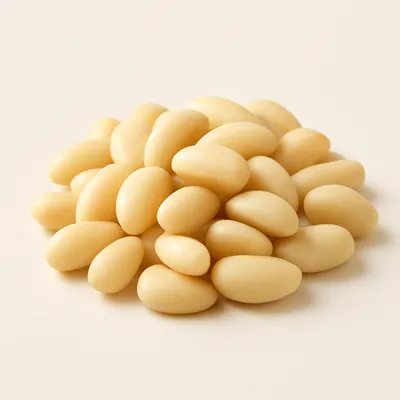
The dense, fruit-studded Christmas bread of Valtellina: a low, round loaf of soft-wheat and rye flour, long-leavened on sourdough, and packed with dried figs, walnuts, raisins, and pine nuts. Known locally as 'pan di fich' and protected since June 2013 by a Collective Geographic Mark.





Bisciola, also called 'pan di fich' (fig bread) or 'panettone valtellinese,' has peasant origins in the province of Sondrio that predate any written recipe. Mountain families dried summer figs, walnuts, and raisins and kneaded them into a sourdough loaf of rye-mixed flour for the Christmas season—a frugal strategy for preserving fruit calories through winter. The folk legend attributing the bread to a Napoleonic order has been dismissed by food historians as romantic fiction. On June 7, 2013, Bisciola received protection under a Collective Geographic Mark (Marchio Collettivo Geografico), formally recognizing it as a traditional product of Sondrio province. A leaner variant, 'Basin de Sundri,' survives as the poverty version with fewer dried fruits and a smaller size.
Dense and chewy with a barely sweet, earthy crumb; every slice yields jammy dried fig, crunchy walnut, and plump raisin against a rye backdrop. Pair with aged Casera, butter, or a glass of Valtellina Superiore.
Sourdough fermentation enlists lactic acid bacteria alongside wild yeasts: the bacteria produce lactic and acetic acids, suppressing spoilage microbes and extending shelf life while contributing the characteristic tang; the yeasts generate CO₂, leavening the dough. Rye flour contains fewer gluten-forming proteins than wheat, so gas cells are smaller and more irregular, producing the characteristic tight, moist crumb. During baking, dried fig pectin softens and releases moisture, acting as a natural humectant; fruit sugars at the crust surface undergo Maillard browning and caramelization, darkening the exterior and developing complex baked aroma.
Variations
An all-rye version produces a darker, more austere loaf. The leaner 'Basin de Sundri' is the poverty variant with fewer dried fruits and a smaller size. Modern bakeries sometimes add chocolate chips, hazelnuts, or chestnut honey.
On the Palate
Where Bisciola sits in the Italian flavor cloud
Ingredients
Serves 8

How it's made
8 steps · 50 min
- 115 min
Feed sourdough starter 8–12 hours ahead until doubled and active; use 100g at peak.
Watch outOnly use the starter at its peak — doubled and lively — a sluggish starter won't lift this dense, fruit-heavy dough.
- 210 min
Combine soft-wheat flour, rye flour, warm milk, eggs, softened butter, honey, and salt in a large bowl; add the starter and mix into a shaggy dough.
- 310 min
Knead on a lightly floured surface for 10 minutes until the dough is smooth and elastic despite its density.
Watch outKnead until it turns smooth and elastic despite the density — that developed gluten is what holds the crumb together under all the fruit and nuts.
- 45 min
Fold in chopped dried figs, roughly chopped walnuts, raisins, and pine nuts until evenly distributed throughout the dough.
- 5240 min
Shape into low, round mounds; place on a parchment-lined tray, cover with a damp cloth, and leave to rise at room temperature for 3–5 hours until visibly puffed.
- 6480 min
For deeper flavor, refrigerate overnight for a slow cold proof; return to room temperature for 1 hour before baking.
- 710 min
Preheat oven to 180℃; score the tops with a shallow cross if desired.
- 840 min
Bake at 180℃ for 35–40 minutes until deep golden brown and hollow-sounding when tapped on the base; cool on a wire rack before slicing.
Watch outIt's done when the top is deep brown and the base sounds hollow tapped — pull it early and the moist fruit centre stays gummy.
Archive tool suggestions — not reviewed
These legacy suggestions have not been evidence-reviewed and are not presented as required tools.


