Palermo's great Christmas ring, a wreath of shortcrust pastry packed with a dark paste of dried figs, almonds, raisins and candied citrus. The dough is rolled around the fruit filling and closed into a large ring, baked until golden, then finished with a wash of glaze and a scatter of coloured sugar sprinkles the Palermitans call diavulicchi. Cut open, the slices show a spiral of tender crust and sticky, spiced fruit. Made across the city through Advent, the first one traditionally cut at the feast of the Immaculate Conception on 8 December, it is sold whole as a festive centrepiece and in small individual rings called buccellatini.


A sweet whose name and form reach back to Roman bread. In ancient Rome the buccellatum was a ring-shaped hard bread issued to soldiers and sailors, the word tied to buccella, a morsel, and to the buccellarius who distributed it; in late antiquity, around the fifth century, Romans were already enriching such ring breads with honey and dried fruit, figs above all. Arab rule over Sicily, from the ninth century, folded in the almonds, dried figs, raisins and candied citron that still define the filling. A further strand credits the Lucchese merchants who settled in Palermo in the fourteenth century and kept a confraternity by the city's merchant loggia, bringing their own festive ring cake, the Tuscan buccellato that carries the same Roman name. The coloured diavulicchi sprinkles are tied by local legend to the demons painted in the vault of the Sala della Fontana at Palermo's Norman Zisa palace, set to guard hidden treasure as the sprinkles guard the sweet filling within. The cucciddatu is listed among Italy's traditional agri-food products.
The crust is short and lightly crisp, giving way to a dense, sticky filling that tastes of concentrated dried fig, toasted almond and warm cinnamon, sweet but not cloying, with candied orange and citron lifting the edges. The coloured sprinkles add a faint crunch and a festive gloss. It keeps for weeks and eats well with a small glass of sweet Marsala or moscato.
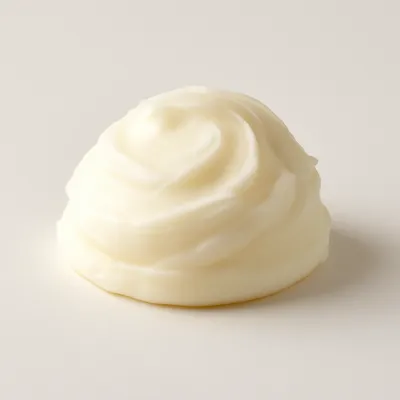
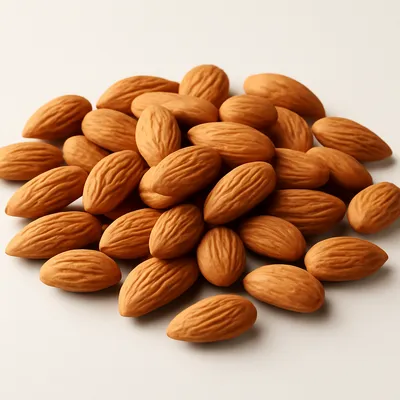
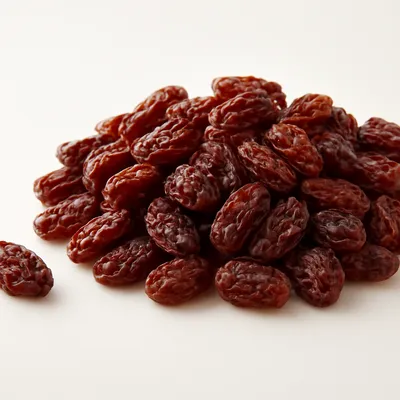
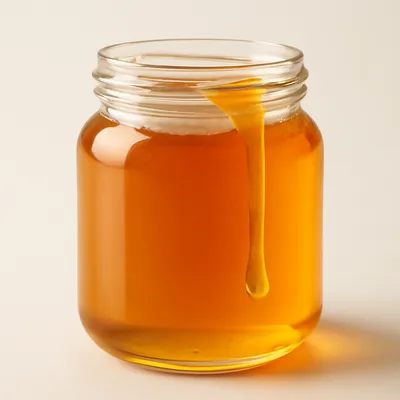
The filling is built for keeping. Drying figs and candying citrus strip out most of their free water and load the flesh with sugar, so the paste has a very low water activity in which moulds and bacteria cannot grow; bound with honey, itself a supersaturated sugar syrup, it stays moist and stable for weeks. The pastry is a classic pasta frolla, where butter or lard coats the flour and limits gluten development, so it bakes to a tender, short crumb that shatters cleanly rather than a chewy bread. In the oven the surface browns through the Maillard reaction and caramelising sugars, building colour and a roasted depth, while the enclosed fruit gently steams and its pectin sets the paste firm as it cools. Toasting the almonds first drives off water and develops nutty aromas, and the candied peel's essential oils perfume the whole.
Variations
Fillings vary from house to house and town to town: many cooks add walnuts, pistachios, dark chocolate, a spoon of vincotto or a splash of liqueur, and season with cloves as well as cinnamon. Beyond the single large ring, the same dough and filling are shaped into small individual rings and half-moons called buccellatini, easier to give as gifts. Lucca in Tuscany keeps its own buccellato under the same Roman name, but there it is a plain sweet ring bread leavened with yeast and studded only with raisins and aniseed, without the Sicilian fruit filling.
On the Palate
Where Buccellato (Cucciddatu) sits in the Italian flavor cloud
Ingredients
Serves 10

How it's made
8 steps · 40 min
- 115 min
Rub the cold butter and lard into the flour and sugar, add the eggs and a little zest, and knead briefly to a smooth shortcrust; wrap and chill.
- 220 min
Soak the dried figs in warm water until softened, drain well and grind them with the toasted almonds, raisins and candied peel to a coarse paste.
Watch outGrind the soaked figs with the nuts only to a coarse paste — over-processing to a smooth purée makes the filling wet and it weeps out during baking.
- 312 min
Warm the paste with honey, orange zest and cinnamon, stirring until thick and glossy, then leave to cool.
- 410 min
Roll the chilled pastry into a long rectangle and spread the fruit filling in a line down the centre.
- 510 min
Fold the pastry over the filling and seal, then bring the two ends together into a large ring on a lined tray.
Watch outSeal the pastry seam firmly before bringing the ends into a ring — a loose seam splits in the oven and the fruit leaks.
- 66 min
Score the top diagonally at intervals, brush with beaten egg and prick to let steam escape.
- 740 min
Bake at 180°C until deep golden, about 40 minutes, then cool completely on a rack.
Watch outBake to deep golden, about forty minutes — the short pastry should shatter, not bend; pale and it stays soft and doughy.
- 86 min
Brush with a thin glaze and scatter generously with coloured diavulicchi sprinkles before serving.
Archive tool suggestions — not reviewed
These legacy suggestions have not been evidence-reviewed and are not presented as required tools.


