An elongated, curved shell of wafer-thin laminated pastry — the same ridged sfogliatella riccia dough — baked until it shatters into crisp golden layers, then piped full of choux and cool crema chantilly. Its overlapping fins and tapering curl mirror a lobster's tail, which gives the Neapolitan pastry its name. A fixture of pasticceria counters across Naples, descended from the convent sfogliatella of the Amalfi coast.
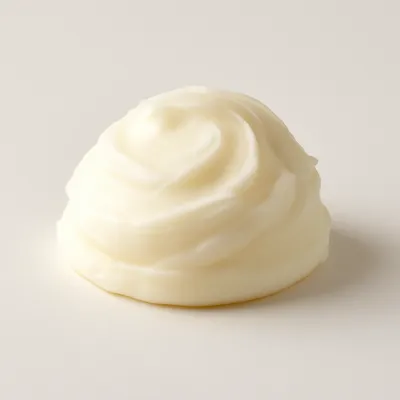
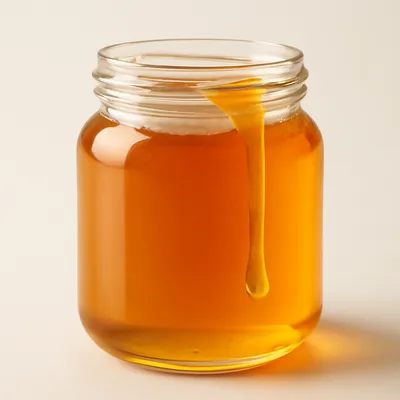


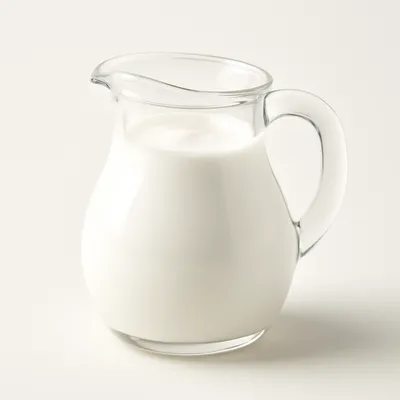

The coda di aragosta descends from the sfogliatella, created in the 18th century at the Conservatorio di Santa Rosa in Conca dei Marini on the Amalfi coast, where the nuns wrapped leftover semolina, dried fruit, sugar and limoncello in layers of pastry and named the sweet 'Santarosa'. In 1818 the Neapolitan pastry-maker Pasquale Pintauro acquired the secret recipe, carried it to Naples and popularised the riccia (laminated) and frolla (shortcrust) forms. The coda di aragosta emerged later as a variant of the sfogliatella riccia: larger, elongated and hollow, filled after baking with whipped or chantilly cream. Its curved, layered form recalls a lobster's tail, giving it the name by which Neapolitan bakers still sell it.
You bite through dozens of brittle, blistered layers that crackle and scatter like autumn leaves, then reach the cool, barely sweet chantilly and airy choux within. The contrast of the shatter-crisp shell against the soft cream is what these are about; eat them fresh, before the filling softens the pastry.
The dough is repeatedly rolled paper-thin and coated with lard or butter, then wound into a tight cylinder so that fat separates hundreds of flour sheets. In the oven, water trapped between the layers flashes to steam and forces them apart, while the lard waterproofs and crisps each leaf — the same lamination principle as puff pastry, driven by steam rather than yeast. The choux paste puffs by the same steam mechanism: its high egg and water content inflates a hollow pocket that sets as the proteins coagulate. The chantilly holds its shape because whipping incorporates air bubbles stabilised by partially coalesced milk-fat crystals, which is why very cold cream whips best.
Variations
Beyond the classic chantilly, Neapolitan bakers fill the coda with crema pasticcera, chocolate cream, or ricotta as in the parent sfogliatella. Some pipe in a little limoncello- or Strega-scented cream, and bite-sized 'mignon' versions appear on party trays. The plain sfogliatella riccia shares the identical laminated shell but is smaller, folded and stuffed with a semolina-ricotta filling before baking rather than filled with cream afterward.
On the Palate
Where Code di Aragosta sits in the Italian flavor cloud
Ingredients
Serves 8
How it's made
7 steps · 1 hour
- 1120 min
Mound the 00 flour, work in the honey, a pinch of salt and just enough water to form a very stiff, smooth dough; knead hard for 10 minutes, wrap and rest at least 2 hours or overnight.
- 220 min
Roll the dough through a pasta machine, then by hand, into one enormous paper-thin sheet, stretching it until translucent. Brush the whole surface generously with softened lard or butter.
Watch outRoll and stretch the dough until it's translucent-thin, then coat every inch with fat — those greased sheets are what steam apart into the crisp leaves.
- 3120 min
Roll the sheet up tightly into a compact cylinder, wrap and chill for at least 2 hours so the fat firms and the layers set.
- 425 min
Make a choux paste: boil water with butter, beat in flour off the heat, then beat in the eggs one at a time until glossy. Separately whip cold cream with sugar and vanilla to make crema chantilly.
- 520 min
Slice the chilled cylinder into 2 cm discs. Press and thin each disc outward from the centre with your thumbs into a cone, then open it into a hollow lobster-tail shell.
Watch outPress each disc thin from the centre and open it into a hollow cone — too thick a shell won't flake open into the lobster-tail layers.
- 625 min
Pipe a little choux into each shell, close it loosely and bake at 200 °C for about 20 minutes until deep gold and crisp; cool completely.
Watch outBake at 200°C until deep gold and crisp — pull them pale and the layers stay soft and doughy instead of shattering.
- 710 min
Using a piping bag, fill each cooled shell generously with cold crema chantilly through the open end; dust with icing sugar and serve at once.
Archive tool suggestions — not reviewed
These legacy suggestions have not been evidence-reviewed and are not presented as required tools.


