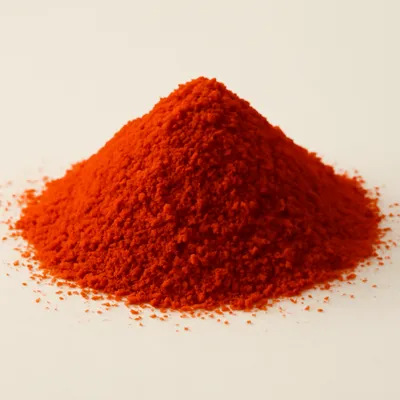
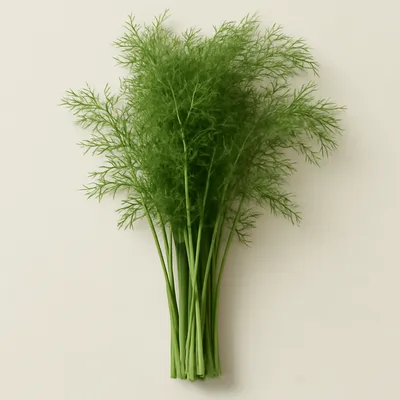
A large, coarse-grained raw pork salame from the tiny hill village of Conca Casale, near Venafro in the province of Isernia — among the rarest cured meats in Italy and a Slow Food Presidium. Lean loin, shoulder and thigh are hand-cut with the point of the knife ('in punta di coltello') and mixed with hard back fat, seasoned with wild fennel, whole peppercorns, a little ground chilli and coriander. The casing is washed in wine, vinegar, cornmeal, orange and lemon for a citrus lift, then stuffed so the salame swells into a bulbous, beehive form and aged at least six months. One salame is made from each pig.


The 'Signora' — the Lady — of Conca Casale takes its capitalised name, by local account, from an old custom: the farm women who made it in the winter months did not eat it themselves but offered it as a tribute to the village 'signori', the doctor, the notary and the mayor. It is counted among the rarest salumi in Italy, made in tiny numbers with a single sausage from each pig and weighing anywhere from 800 grams to five kilograms. Recognised as a Slow Food Presidium and a Molise traditional food product (PAT), it had fallen close to extinction before a handful of local artisans revived it. The casing is the pig's caecum, known in dialect as the 'zia', the aunt, washed with wine, vinegar, cornmeal, orange and lemon; the finished salame is eaten in thick slices with the bread of Isernia.
Cut in thick slices, the coarse grain shows a mosaic of deep red lean and bright white fat. It chews firm and meaty, dry-cured and lightly salty, with wild fennel running clear through it, a low warmth of chilli behind, and a clean citrus edge from the casing at the finish.
Six months of drying steadily lowers the meat's water activity until it falls below the level bacteria need to spoil it, so the salame keeps without refrigeration. As it dries, muscle enzymes (cathepsins) break the proteins into free amino acids such as glutamate, building the deep savoury taste, while lipases split the hard back fat into aromatic aldehydes. In the first weeks lactic bacteria ferment the meat's sugars to acid, dropping the pH so the proteins firm and the coarse grain sets. The whole peppercorns, wild fennel and coriander shed their volatile oils into the fat, and the acid and citrus left by the casing wash lend the tang at the finish.
Variations
The seasoning shifts from maker to maker, some leaning almost wholly on wild fennel, others adding more chilli for warmth; the grind is always coarse and cut by knife rather than minced. Its everyday cousins are the soppressata and salame of the Molise hills, made in the same farm kitchens but without the caecum casing or the long, careful ageing that sets the Signora apart. It is served simply, in thick hand-cut slices with local bread.
On the Palate
Where Signora di Conca Casale sits in the Italian flavor cloud
Ingredients
Serves 20

How it's made
7 steps · 1 hour 30 min
- 190 min
Bone out the lean loin, shoulder and thigh; trim the sinew and cut the meat by hand with the point of the knife into coarse grains, dicing some hard back fat small.
- 225 min
Season the meat and fat with salt, whole peppercorns, wild fennel, a little ground chilli and coriander, mixing well so the fat is evenly spread.
- 340 min
Clean the pig's caecum and wash it with wine, vinegar, cornmeal, orange and lemon; rinse and leave it to take on the citrus scent.
- 430 min
Stuff the seasoned meat firmly into the caecum, pressing out air pockets, and tie it so it swells into its rounded, beehive shape.
Watch outPack the meat into the casing firmly, pressing out every air pocket — trapped air is where the salame spoils and molds from the inside.
- 520160 min
Prick the casing and hang the salame in a cool, airy room for the first weeks, while it ferments and firms.
- 6259200 min
Move it to a cellar and age at least six months, checking that it dries evenly and the aroma stays clean.
Watch outWatch that it dries evenly and the smell stays clean over the months — a sour or off note or a soft damp spot means the cure went wrong.
- 710 min
Slice thick by hand and serve with the bread of Isernia.


