
Sardinian Gallura-region baked bread soup — sheep-and-vegetable broth poured over layers of stale bread, fresh pecorino, and grated aged cheese, baked until the top is golden-crusty and the interior is bread-pudding-savoury — a wedding-feast dish from the rural north.

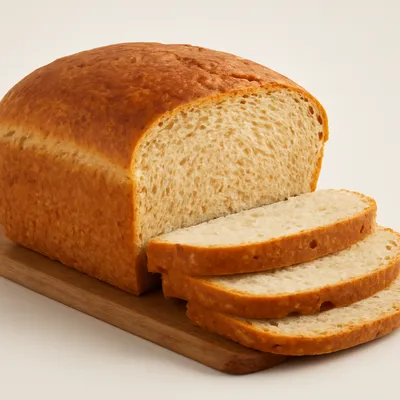
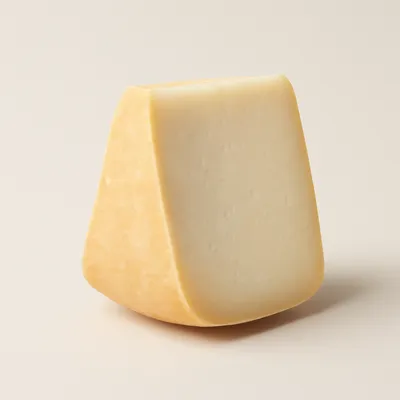


Zuppa gallurese (also called suppa cuata, 'hidden soup' in Sard dialect) comes from Gallura province in northeastern Sardinia, an inland sheep-and-mountain region. The dish was traditionally a wedding-feast main, made by aunts and grandmothers from leftover stale bread (which Sardinian kitchens never wasted), aged pecorino, and a strong meat broth made from the wedding-day lamb slaughter. Layered in a deep pan and baked, the dish transforms: the bread absorbs broth and becomes pudding-like, the cheese melts between layers, the top crisps to a golden crust. The name 'suppa cuata' ('hidden soup') refers to the bread hiding the broth — once baked, you can't see the liquid. Sardinian weddings in Gallura still serve zuppa gallurese as the marriage-feast primo piatto.
Cut into zuppa gallurese and you'll see why it's called 'hidden soup' — the layers are dense, melded, almost cake-like. There's no visible broth; it's all been absorbed. A forkful brings up bread that has the moisture and tenderness of bread pudding, the cheese pulling in long strings, a faint mint (and wild-fennel) note. The top layer is crispy-golden, contrasting with the pudding-soft interior. Lamb broth gives a deep meaty undertone that you taste before you identify. Best eaten in a Gallura farmhouse with 30 cousins on a cold winter Sunday — a dish meant for feeding many.
Stale bread is essential — fresh bread becomes soggy mush. Stale bread has dried crusts and porous interior that absorbs broth gradually, creating the bread-pudding texture without disintegrating. Layering is the key technique: alternating bread-cheese-broth distributes flavors and prevents any single layer from drying or flooding. Sheep's cheese (rather than cow's) gives the dish its distinctive Sardinian character — sheep's milk has roughly double the fat of cow's milk (~6-7% vs ~3.5-4%), creating richer melt. The high-heat bake (180°C) creates Maillard browning on top while the interior steam-cooks; lower temp and the top doesn't crisp.
Variations
Gallura canonical uses lamb broth, sheep pecorino, and fresh sheep cheese; Tempio Pausania variant lines the pan bottom with a layer of thin-sliced lardo (cured fatback); Aggius (mountain village) wedding version tops the just-baked dish with a veal ragu in red sauce (ghisaddu) — the normal zuppa is 'white', but Aggius and a few other towns have a sugo-enriched 'red' version for feasts; modern Olbia restaurants serve zuppa gallurese as a small entrée portion (vs traditional family-style); commercial zuppa sold pre-packaged exists but is a sad shadow; for vegetarians, mushroom broth + parmigiano works but loses the Sardinian identity.
On the Palate
Where Zuppa Gallurese sits in the Italian flavor cloud
Ingredients
Serves 6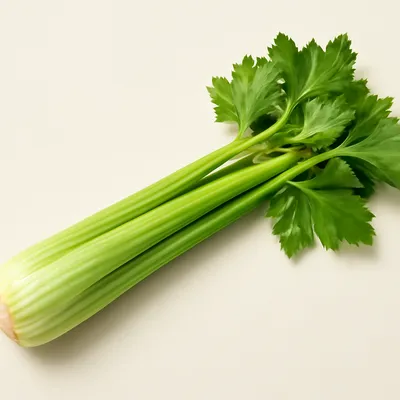





How it's made
6 steps · 30 min active + 1 hour waiting
- 1128 min
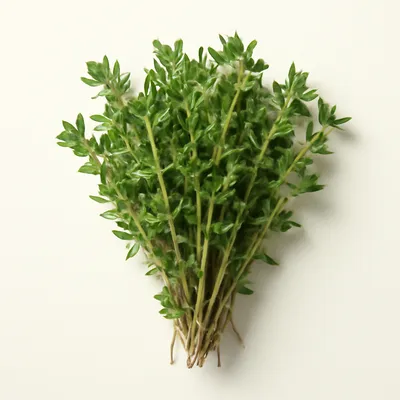
Make broth in advance: in a stockpot, combine 1kg lamb on the bone (or beef shank) + 2L cold water + 1 onion + 2 celery stalks + 2 carrots + 2 bay leaves + 1 sprig rosemary + 1 sprig thyme + 1 tsp salt + a few peppercorns. Bring to simmer; cook 2 hours. Strain (reserve meat for another meal). Salt broth to taste; should be strong but balanced.
- 28 min
Cut 600g day-old country bread (Sardinian carasau or any dense rustic bread) into 2cm slices. Tear or cut into rough 5cm pieces.
Watch outUse bread that's gone properly stale — fresh bread turns to mush under the broth, while dried-out crumb drinks it in and holds together.
- 36 min
Prepare cheeses: grate 200g aged pecorino sardo (or pecorino romano if Sardo unavailable); dice 200g semi-soft fresh sheep cheese (or fontina) into 1cm cubes.
- 44 min
Mince together 4 garlic cloves + 1 small bunch parsley + 1 tbsp fresh thyme leaves + 1 tsp grated nutmeg. Set aside.
- 513 min
Assemble: butter or oil a deep 25x20cm baking dish. First layer: bread pieces (about 1/3 of total). Sprinkle 1/3 of grated pecorino + 1/3 of diced fresh cheese + 1/3 of herb-garlic mix. Pour 1/3 of hot broth over (broth should soak bread but not flood). Repeat: bread → cheeses → herbs → broth. Third layer: bread → cheeses → herbs → broth. The bread should be saturated but not floating; the top layer should be cheese-covered.
Watch outLadle the broth so it soaks each bread layer without flooding the dish — the bread should be saturated but not swimming, or the bottom goes soupy.
- 650 min
Drizzle 3 tbsp olive oil over top. Bake at 180°C / 350°F for 45 min until top is deeply golden and crusty. If it gets too dark, cover with foil for the last 10 min. Rest 10 min before serving. Cut into wedges with a serrated knife; serve with a glass of Cannonau red wine.
Watch outBake until the top is deeply golden and crusted — if it darkens too fast, tent it with foil for the last ten minutes so the middle finishes.
Archive tool suggestions — not reviewed
These legacy suggestions have not been evidence-reviewed and are not presented as required tools.


