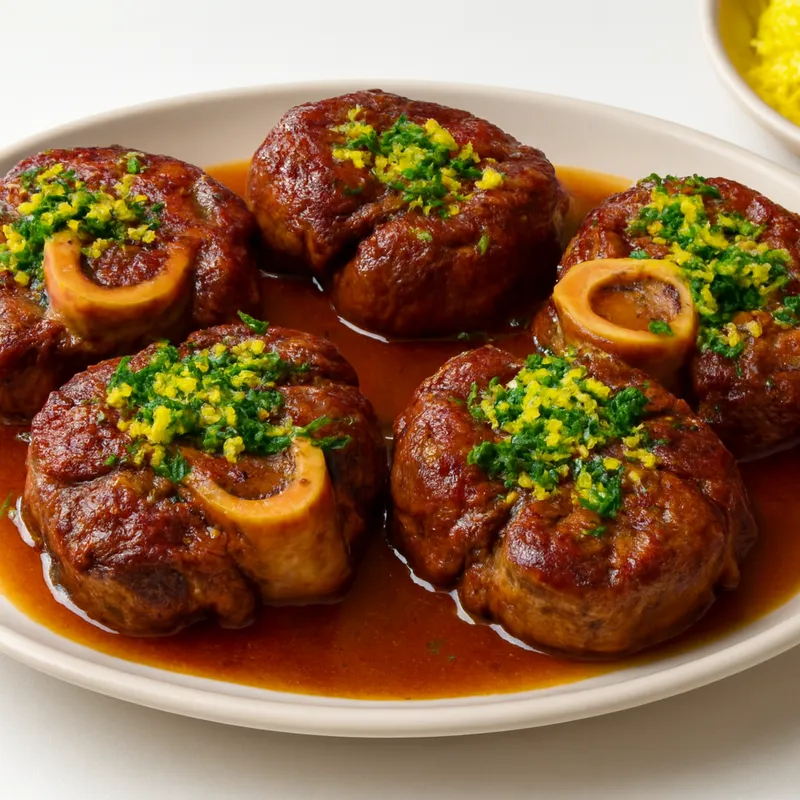
Bari layered casserole — sliced potatoes, raw rice, mussels in shell, sliced onion, tomato, garlic, parsley, and pecorino layered in a deep earthenware tiella and baked, the rice steams in mussel liquor while the potatoes brown — Apulia's most singular one-pot dish.




Tiella alla barese (also tiella di riso, patate e cozze, 'tiella of rice, potatoes, and mussels') is the iconic Bari dish, a Spanish-Apulian fusion dating to the 16th-century Aragonese rule over southern Italy. The dish parallels Spanish paella but with three layers (potato base, rice middle, mussel top) cooked in a deep pan (tiella in Bari dialect from Spanish 'tela' or 'tegame'). Bari is a port city where mussels arrive fresh daily from the local mussel-farming areas of Taranto; this combination of cheap raw rice, abundant potatoes, and surplus mussels became the canonical home meal of the city. Every Bari grandmother has her own variation but the basic architecture is canonical. The dish appears on every Bari restaurant menu and is the centerpiece of Sunday lunches in the city.
Cut into the tiella and the cross-section is geological: golden potato top crust, layer of orange-stained rice, mussels in half-shells visible like coins, a layer of softened potatoes underneath. First forkful brings rice (creamy from absorbed mussel liquor, more starchy than risotto), mussel meat (briny-sweet), a slice of potato (tender, tomato-stained at edges), parsley (bright). The dish is briny, garlicky, deeply Mediterranean — the sea (mussels) meeting the land (potatoes, rice). The pecorino crust on top is the bonus prize. Eat with focaccia and white Verdeca wine.
Raw rice is added directly (not pre-cooked) — it cooks in the mussel liquor + water during baking, absorbing all the marine flavor. Arborio or Carnaroli rice is essential because it can absorb a lot of liquid without breaking down. The potato lid is structural and functional: it traps steam (helping the rice cook) and develops the dish's golden crust. Mussels in half-shell add visual drama and flavor concentration; pre-shelled mussels would lose juice during cooking. The 30-min-covered then 15-min-uncovered bake schedule is critical: covered allows liquid to soak into rice; uncovered crisps the top.
Variations
Bari canonical with rice, potatoes, mussels, tomato, pecorino, onion; Polignano variant adds zucchini layer; Conversano version uses both mussels and clams; modern Bari restaurants serve tiella in individual ramekins (smaller portions); commercial frozen tiella exist but the layered architecture suffers from thawing; vegetarian version with zucchini, mushroom, and cheese instead of mussels is a different dish; tiella di agnello (lamb version) is from inland Bari province.
On the Palate
Where Tiella Barese sits in the Italian flavor cloud
Ingredients
Serves 6



How it's made
9 steps · 40 min active + 50 min waiting
- 112 min
Clean 1.5kg fresh mussels: scrub shells; remove beards; discard any that don't close when tapped. Open the mussels: in a wide pan, heat 1 tbsp oil; add mussels; cover and cook over high heat 3 min until shells open. Discard any unopened. Reserve mussel liquor (strain through cheesecloth).
Watch outCover and steam just until the shells gape open, then throw out any that stay shut — a closed mussel was dead going in and will taint the pan.
- 27 min
Remove top shell of each mussel, leaving the meat in the bottom shell (half-shell). Set aside.
- 37 min
Peel and slice 800g potatoes into 3mm rounds; soak in cold water 5 min then drain.
- 47 min
Slice 2 large onions thin. Chop 4 garlic cloves. Chop 1/2 cup parsley. Slice 4 ripe tomatoes. Grate 100g pecorino.
- 58 min
Oil a deep earthenware tiella or deep heavy pan (28cm diameter, 8cm deep). First layer: half the onion + half the garlic + half the parsley + 2 tbsp olive oil at bottom. Layer half the potato slices in a single layer; salt lightly.
- 68 min
Spread 200g raw Arborio or Carnaroli rice evenly over potatoes. Layer mussels (in half-shell) over the rice, shell-side-down (meat facing up). Sprinkle with half the pecorino + half the tomato slices + remaining onion + remaining garlic + remaining parsley.
Watch outScatter the rice raw and even — it drinks up the mussel liquor as it bakes; pre-cooked or piled thick and it turns to mush.
- 75 min
Top with remaining potato slices in a tight layer. Sprinkle remaining pecorino + remaining tomato + 2 tbsp breadcrumbs + drizzle 3 tbsp olive oil + salt + pepper.
- 87 min
Pour the reserved mussel liquor (about 500ml) + enough water to bring liquid level just to top of rice layer (typically need 300ml additional water; the potato lid should sit slightly above liquid). Cover tightly with foil.
Watch outPour in just enough liquor and water to reach the top of the rice — too little and the grains stay hard, too much and the crust never forms.
- 947 min
Bake at 200°C / 400°F for 30 min covered. Remove foil; bake 15 min more until top is golden and potatoes are tender. Total 45 min. Rest 10 min before serving. Cut into wedges with a serrated edge; the cross-section shows the layered architecture. Serve in deep plates with extra olive oil and lemon wedges.
Watch outCovered first so the rice drinks the liquid, then uncovered to crisp the top — pull it when the potato lid is golden and the grains are tender.
Archive tool suggestions — not reviewed
These legacy suggestions have not been evidence-reviewed and are not presented as required tools.