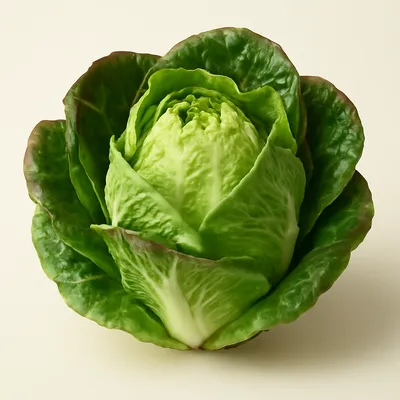
An alpine antipasto from the Valtellina valley in the province of Sondrio, Lombardy. Cubes of young Valtellina Casera DOP cheese are dipped in a loose batter of buckwheat (grano saraceno) and a little white flour, slackened with beer and traditionally a splash of grappa, then deep-fried until they set into squat, dark, irregular nuggets with a crisp shell and a molten cheese core. The name means «toad» in the local dialect, for the bloated, lumpy shape the batter takes in the hot oil. They are served straight from the fryer, very hot, on a bed of thinly cut chicory or curly endive dressed simply with oil and vinegar.

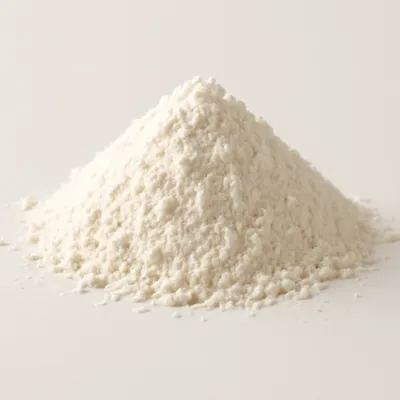



Sciatt belong to the buckwheat-based peasant cooking of the Valtellina, the Alpine valley of the upper Adda in Sondrio province. Buckwheat — grano saraceno, a pseudocereal rather than a true grain — first appears in the valley around the middle of the 16th century and became a staple of the local poor, the same flour that defines pizzoccheri and polenta taragna. The fritters are said to descend from chisciöi, the older flat buckwheat-and-cheese fritters of the Tirano area, and are often tied to villages such as Ponte in Valtellina before spreading across the whole valley; precise dates are not securely documented. The melting cheese is Valtellina Casera, a semi-fat cow's-milk cheese aged from about 70 days, which together with Bitto is one of the two Valtellina cheeses to hold Protected Designation of Origin (DOP), granted in 1996. The name is the dialect word for «toad», a reference to the squat, dark, irregular shape rather than any ingredient.
Each one is a craggy, dark-brown nugget the size of a walnut, the buckwheat shell shattering crisp under the teeth with a faint nutty, earthy bitterness. Inside, the Casera has gone fully molten — a hot, stretchy, mildly tangy pull of cheese that strings when you break one open. The batter carries a whisper of beer and grappa, and the whole thing is eaten scalding, the heat cut by the cold, bitter chicory and its sharp oil-and-vinegar dressing underneath. The pleasure is the contrast: crunch against ooze, earthy buckwheat against milky cheese, hot fritter against cold leaves.
Buckwheat is gluten-free, so a batter made from it alone cannot build the elastic network that normally traps water and forms a coherent crust; the small amount of white 00 flour supplies just enough gluten to bind the batter so it clings to the cheese and sets into a shell rather than dissolving into the oil. The traditional splash of grappa helps too — alcohol weakens gluten development and evaporates faster than water, both of which push the crust toward crisp rather than chewy, while the carbon dioxide from the beer lightens it. The cheese must be young Casera: aged only around 70 days it still melts cleanly to a stretchy mass, whereas a longer-aged, fattier cheese would weep oil and split inside the fritter. Fry in deep oil at about 175-180°C: hot enough that the shell crisps and browns before the cheese inside has time to scorch or burst out, but not so hot that the outside burns before the centre turns molten. Too cool and the batter drinks oil and goes greasy; too hot and the shell colours while the core is still solid.
Variations
The defining sibling is chisciöi (also chisciöl), the older, flatter Tirano fritter where the buckwheat batter and cheese are fried as a thin pancake rather than a stuffed ball, sometimes with the cheese chopped into the batter. Bitto DOP, the other protected Valtellina cheese, is sometimes used in place of Casera. Cooks vary the batter liquid — beer, sparkling water or milk in place of or alongside the grappa — and a few add a splash of white wine. The constant is the buckwheat shell, the molten cheese centre and the bed of dressed chicory.
On the Palate
Where Sciatt sits in the Italian flavor cloud
Ingredients
Serves 4

How it's made
7 steps · 20 min
- 110 min
Cut the young Valtellina Casera into cubes of roughly 1.5 cm and set aside. Wash and finely shred the chicory or curly endive, dress it lightly with oil, vinegar and salt, and keep it cold.
- 235 min
Whisk the buckwheat flour, white 00 flour and a pinch of salt together. Stir in the grappa, then whisk in the beer (and a little cold water if needed) to a smooth batter slightly thicker than pancake batter; rest it about 30 minutes.
Watch outWhisk to a smooth batter slightly thicker than pancake batter and rest it — the little wheat flour supplies just enough gluten to bind, or the buckwheat batter dissolves into the oil.
- 35 min
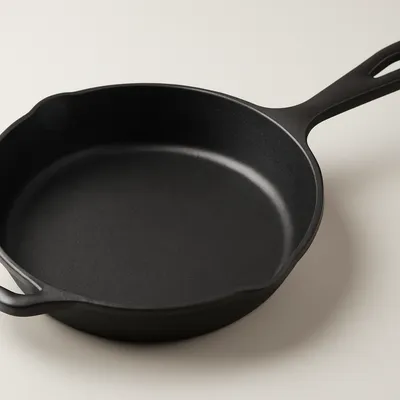
Heat a deep pan of frying oil to about 175-180°C, checking with a thermometer.
- 43 min
Drop a few cheese cubes into the batter and turn to coat them completely; lift each one out with a fork carrying a little extra batter around it.
- 53 min
Slide the coated cubes into the hot oil a few at a time, without crowding, and fry until the shells are deep golden-brown and crisp, about 2-3 minutes, turning so they colour evenly.
Watch outFry at 175-180 degrees until the shells are deep golden and crisp, about 2-3 minutes — you want the crust set before the young Casera inside melts and leaks out.
- 61 min
Lift the sciatt out with a slotted spoon and drain briefly on paper towels.
- 71 min
Pile the hot fritters onto the bed of dressed chicory and serve immediately, while the cheese centres are still molten.
Archive tool suggestions — not reviewed
These legacy suggestions have not been evidence-reviewed and are not presented as required tools.