A poor-kitchen fried fritter from the Gubbio area and the upper Tiber valley of north-eastern Umbria, made by stirring soft-wheat flour into water with a little salt to a loose, pourable batter and dropping it by the spoonful — or pouring it as one thin sheet — into hot fat until lacy and golden. It is a thin, irregular fried flatbread rather than a risen one, traditionally cooked in rendered pork fat and eaten hot with cured meats: prosciutto, salami and a sharp pecorino. The same fritter goes by different names from town to town across Umbria.




Brustengo is a humble specialty of rural Umbria, rooted in the cucina povera of the Gubbio district and the upper Tiber valley, where flour, water and a hot pan were enough to make something to eat. It is, in essence, the local form of a fried flour-and-water batter found across the region under a string of dialect names: arvoltolo around Valfabbrica, berlingozzo at San Giustino, brustengolo at Panicale, frittella at Gualdo Tadino, and bragaccio or fregnaccia at Giano dell'Umbria. The savory Gubbio brustengo should not be confused with the sweet Perugian brustengolo, a baked or fried corn-flour cake studded with apple and dried fruit; the two share a similar name and rustic origin but are different dishes. Some country versions of the savory fritter add a little cornmeal to the wheat batter, but the everyday Gubbio brustengo is a plain flour-and-water affair, and its origin is undocumented beyond this peasant tradition.
Hot from the fat, it is thin and lacy, crisp and blistered at the edges where the batter ran thin, and softer and chewier toward the middle. The taste is plain and savory — fried dough, a hint of pork fat — which is the whole point: it is a foil. Drape a slice of prosciutto or salami over the warm fritter so the fat just begins to soften, add a shard of sharp pecorino, and the richness and salt of the cured meat play against the bland, crisp bread. Eaten straight away it crackles; left to sit it goes leathery and loses the point.
A thin flour-and-water batter dropped into hot fat sets fast: the water at the surface flashes to steam and the dough crisps, while the bubbling drives the lacy holes and blistered edges, and the dry starch surface browns through the Maillard reaction to give the fried flavor and color. Fat is the cooking medium, not an ingredient stirred in, so it must be properly hot before the batter goes in — too cool and the fritter soaks up grease and turns heavy and oily instead of crisping. Frying in rendered pork fat rather than oil, as the older country method does, lends a faint savory note of its own; the batter is left thin and unleavened so the result is a flat, crisp sheet rather than a puffed, bready fritter.
Variations
The fritter changes name and slightly changes form across Umbria — arvoltolo, berlingozzo, brustengolo, frittella, bragaccio, fregnaccia — and cooks differ on whether to drop spoonfuls or fry one large sheet, and on frying in pork fat versus oil. Some rustic versions work a little cornmeal, chopped sausage, rosemary or onion into the batter. It is the savory cousin of the sweet Perugian brustengolo, a corn-flour cake with apple and dried fruit, and a relative of the broader family of central-Italian fried doughs eaten with salumi.
On the Palate
Where Brustengo sits in the Italian flavor cloud
Ingredients
Serves 4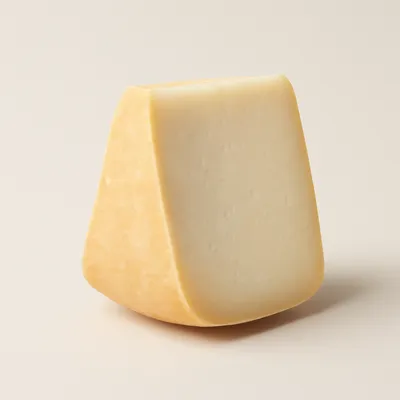
How it's made
6 steps · 20 min
- 15 min
Put the flour in a bowl with a pinch of salt and whisk in the water a little at a time to a smooth, loose, pourable batter with no lumps.
- 25 min
Let the batter rest for a few minutes while you heat the fat.
- 34 min
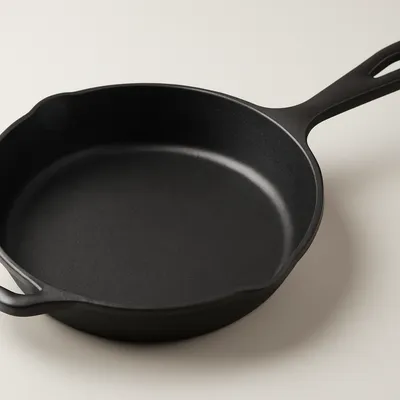
Heat a good layer of rendered pork fat (or oil) in a wide frying pan until hot but not smoking.
Watch outHeat the fat until hot but not smoking before the batter goes in — too cool and the fritter soaks up grease and turns heavy instead of crisping into lace.
- 44 min
Pour or spoon the batter into the hot fat, spreading it thin, and fry until the underside is golden and lacy.
Watch outFry until the underside is golden and lacy with blistered edges — the steam driving through the thin batter is what makes the crisp holes.
- 54 min
Flip and fry the other side until crisp and golden, then lift out onto paper to drain briefly.
- 62 min
Serve the fritters hot, topped with prosciutto, salami and slivers of sharp pecorino.
Archive tool suggestions — not reviewed
These legacy suggestions have not been evidence-reviewed and are not presented as required tools.