Sfincia di San Giuseppe is Palermo's St Joseph's Day sweet: a soft, craggy fried puff of choux-like dough crowned with sweetened sheep's-milk ricotta cream, candied orange and zuccata, chopped pistachio and, by custom, a single candied cherry. Where the Neapolitan zeppola is piped into a tidy ring, the Palermitan sfincia is dropped freehand into the oil and fries up irregular and blistered, all knobs and hollows that catch the cream. It belongs to the 19th of March, the feast of San Giuseppe and Italy's Father's Day, and is a Prodotto Agroalimentare Tradizionale of Sicily. The name comes from the Arabic word for sponge, for the soft open crumb inside.





The sfincia descends from the fried doughs of Arab Sicily, and its name is generally traced to the Arabic isfanj, by way of the Sicilian spincia, both rooted in the idea of a sponge; some accounts add the Latin spongia. Saint Joseph has long been linked in Italy to fried sweets, and his feast on the 19th of March doubles as Father's Day. The cream-laden modern version is by tradition credited to the nuns of the Monastero delle Stimmate di San Francesco in Palermo, whose convent was demolished in 1875 to clear ground for the Teatro Massimo, which places the dish's refinement in the 19th century; the ricotta, candied fruit and pistachio are said to have been added later by the city's pastry shops. A 1784 dispute between Palermo's tavern-keepers and its confectioners over who could make sfinci shows the sweet was already well established. The convent attribution is the traditional account rather than firmly documented; the recognition as a Sicilian Prodotto Agroalimentare Tradizionale is on record.
The shell is light and barely crisp, giving way to a soft, almost custardy interior still warm from the fryer, against a cool spoonful of ricotta cream that is sweet, faintly tangy and grainy with sugar. Candied orange and zuccata cut through with a bitter-citrus chew, the pistachio adds a green, resinous crunch, and the cherry lands a bright sour note on top. It eats rich but loose, the cream sliding rather than setting, so each bite is dough, cream and candied fruit at once.
The dough is a soft, high-hydration batter cooked twice: flour is gelatinised in boiling water (and often a little lard), then beaten with eggs so the protein and starch can trap steam. Spooned into moderate oil, the water in the batter flashes to steam and inflates the puff from within while the egg sets the walls, leaving the open, sponge-like crumb the name promises; a two-stage fry, gentler first to swell and hotter after to colour, gives the craggy blistered crust without a raw centre. The freehand drop is what makes it irregular, unlike the piped Neapolitan zeppola. The topping is sheep's-milk ricotta pressed through a sieve and beaten with sugar until smooth and pipeable, kept cold so it stays loose against the warm shell.
Variations
The biggest split is fried versus baked: a lighter oven-baked sfincia al forno is common for those avoiding the fryer, though purists hold the fried version as the original. The ricotta may be studded with chocolate chips, and the cream is sometimes piped inside as well as on top rather than only crowning it. Garnishes range from plain candied orange to a fuller load of zuccata, whole pistachios and the cherry; Trapani and other towns trim their own versions.
On the Palate
Where Sfincia di San Giuseppe sits in the Italian flavor cloud
Ingredients
Serves 8


How it's made
8 steps · 50 min active + 25 min waiting
- 112 min
Bring water with a knob of lard and a pinch of salt to a rolling boil, tip in the flour all at once, and beat over the heat until the dough pulls cleanly from the pan.
Watch outBeat the flour into the boiling water over heat until the dough pulls cleanly from the pan — this gelatinizes the starch so it can trap steam and puff.
- 28 min
Cool the dough a few minutes, then beat in the eggs one at a time until it is smooth, glossy and drops slowly from the spoon.
Watch outBeat in the eggs until the dough is glossy and drops slowly from the spoon — too stiff and it won't puff, too slack and it spreads flat.
- 310 min
Heat the frying oil to a moderate 160 to 170 C and drop in rough spoonfuls of dough, frying gently so they swell and cook through.
Watch outFry gently at 160-170 first so they swell and cook through — start too hot and the outside colors before the inside sets, leaving a raw center.
- 48 min
Raise the oil to about 180 C and fry until the puffs are deep golden, craggy and crisp, then drain on paper.
- 510 min
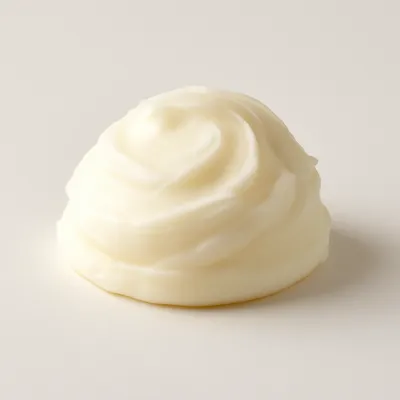
Sieve the ricotta and beat it with the sugar (and chocolate chips, if using) until smooth and pipeable; keep cold.
- 66 min
Split or hollow the cooled sfincia and pipe in the ricotta cream, then crown each with a generous swirl on top.
- 75 min
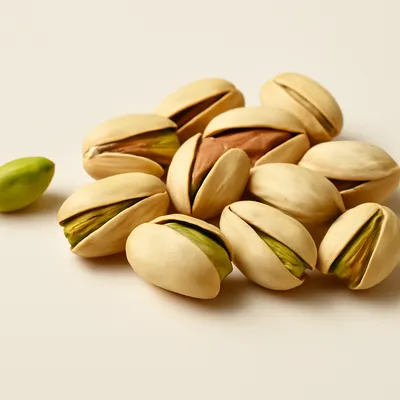
Finish with chopped pistachio, strips of candied orange and zuccata, and a candied cherry on each.
- 82 min
Dust lightly with icing sugar and serve while the shells are fresh.
Archive tool suggestions — not reviewed
These legacy suggestions have not been evidence-reviewed and are not presented as required tools.