A Roman fried-food classic of salt-cod fillets, desalted by soaking, dipped in a light batter and deep-fried until puffed, golden and crisp. The fish is cut into long fillets, coated in a plain flour-and-water batter — many cooks now lighten it with beer or sparkling water — and fried in hot oil to a crackling shell over moist, flaking flesh. It is eaten very hot, as a starter, snack or paper-cone street food, and is a pillar of the Roman fritto and a staple of the city's Jewish-Roman kitchen.



Salt cod entered Italian cooking in the 15th and 16th centuries through the Atlantic trade, prized inland because it kept indefinitely and could stand in for meat on the many Catholic days of abstinence — Fridays, vigils and Lent — that long drove demand in landlocked Rome. Frying is a documented hallmark of the Jewish-Roman kitchen, and the fried fillets are both long associated with that tradition and a thoroughly pan-Roman fritto; the dish is recorded simply as baccalà fritto alla romana in the classic Roman cookbooks, though the origin of this exact battered-fillet form is itself unrecorded. Rome's most famous purveyor, Dar Filettaro by Largo dei Librari near Campo de' Fiori, has fried cod at the spot since the early 20th century.
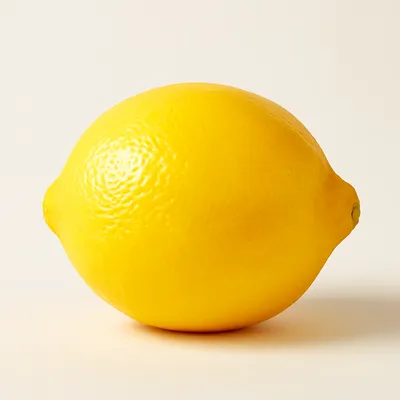
A loud, brittle shell gives way to soft, ivory cod that flakes in big moist sheets, gently saline rather than fishy. The contrast is the point: dry, shattering crust against tender, almost custardy flesh. Good filetti are eaten the moment they leave the oil, the batter still crackling; let them sit and the crust softens and the fish weeps oil. A squeeze of lemon lifts it.
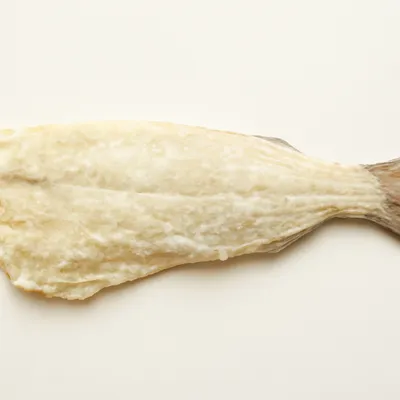
Desalting comes first: the cod soaks in cold water for one to three days, the water changed two or three times a day, to rehydrate the flesh and draw out the salt. The batter then puffs by physics — its water flashes to steam on contact with the oil, inflating the coating, while bubbles from beer, sparkling water or any leavening expand into a light, dry, crisp crust. A weak low-gluten flour, and the alcohol or acidity of beer, keep the batter from turning elastic, so it fries crisp rather than bready; a cold batter helps the same way. Frying at about 170 to 180°C sets the shell fast while the fish within steams and stays moist.
Variations
Its main contrast within Roman cooking is baccalà in guazzetto, salt cod stewed in tomato with pine nuts and raisins in a sweet-and-sour key, considered the Jewish-Roman version and quite distinct from the fried fillets. The batter itself varies: a purist water-and-flour coating against the modern beer- or sparkling-water-lightened, sometimes yeast-leavened versions. Fried salt cod appears across Italy too — Genoa's frisceu fritters and Naples' paper-cone cuoppi among them.
On the Palate
Where Filetti di Baccalà sits in the Italian flavor cloud
Ingredients
Serves 4How it's made
7 steps · 30 min active + 30 min waiting
- 130 min
Soak the salt cod in cold water for one to three days, changing the water two or three times a day, until rehydrated and no longer too salty.
Watch outSoak the salt cod a day or more, changing the water, until it's rehydrated and no longer too salty — under-soaked, it's inedibly salty; taste a corner to check.
- 28 min
Drain, pat dry, and cut the cod into long finger-width fillets.
- 38 min
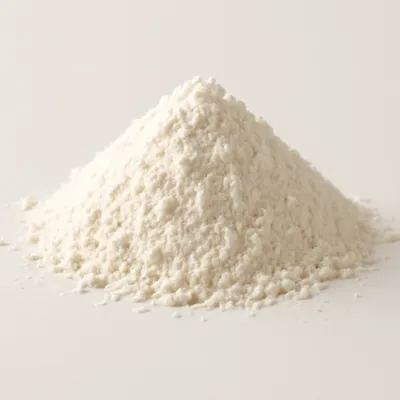
Whisk a light batter of flour and water — or beer or sparkling water — to a smooth, pourable cream and rest it briefly.
- 48 min
Heat plenty of oil to about 170 to 180°C.
- 53 min
Dip each fillet in the batter, letting the excess drip off.
- 66 min
Fry a few at a time, turning once, until puffed, deep golden and crisp.
Watch outFry at 170-180 degrees until puffed and deep gold — the batter's water flashes to steam and inflates the crust; too cool and it soaks up oil instead of crisping.
- 73 min
Lift out, drain on paper, salt lightly, and serve at once with lemon wedges.
Archive tool suggestions — not reviewed
These legacy suggestions have not been evidence-reviewed and are not presented as required tools.