
Vasto fishermen's stew — mixed Adriatic fish and shellfish cooked in a flat earthenware pan with tomato, garlic, peperoncino, and sweet green pepper, served undisturbed over toasted bread so the layers stay intact.

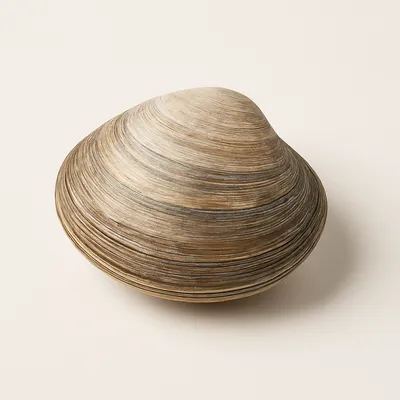



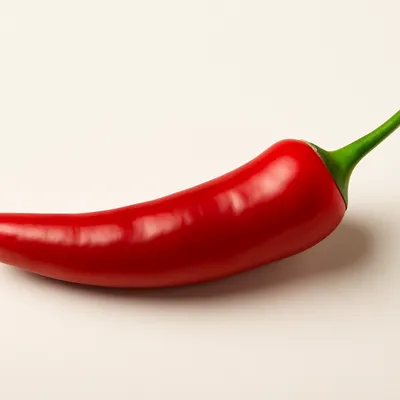
Vasto, on Abruzzo's southern coast, protects its brodetto through a 2011 municipal production regulation and a registered trademark (filed with the Chieti Chamber of Commerce), with the canonical recipe notarized in 2019. Local fishermen — the trabocchisti who fished from wooden platforms over the sea — cooked their daily unsellable catch (small fish, oddities, broken specimens) in a flat tegame (earthenware pan) with whatever was in their gardens: the local mid-season 'pomodoro a mezzotempo' tomato, garlic, and the local peperone dolce (sweet pepper). The rule was: never stir, cook only on the burner, and place layers from densest fish on the bottom to most fragile on top so nothing breaks apart. Vasto's brodetto differs from Anconetan (which uses vinegar and saffron) by being all-tomato and including a sweet pepper that Vastese cooks consider non-negotiable.
The first spoonful from the top gets clams and shrimp in tomato; the second goes deeper and brings up tender squid and mantis shrimp; the third hits the cuttlefish at the bottom, still firm-toothsome. The bread underneath is fully soaked in fish-tomato broth — eat it last. The sweet pepper is the surprise: it adds a subtle vegetal sweetness that pulls the brodetto away from the more austere northern Adriatic versions. No saffron, no vinegar, no wine — Vasto cooks insist on this. Just fish, tomato, garlic, pepper, the sea.
The no-stir rule is essential: stirring breaks the fish flesh; layering allows different fish to cook to their proper doneness in one pan (denser at the bottom, more direct heat; fragile on top, gentler heat from steam). The flat tegame matters too — height-to-width ratio under 1:3 ensures steady evaporation that concentrates flavors. Most home cooks use too-deep pots and end up with watery brodetto. The sweet pepper provides natural pectin that thickens the broth slightly.
Variations
Vasto traditional uses no saffron and no wine (the canonical PAT); Pescara variant adds saffron from L'Aquila and a splash of white wine; San Vito Chietino fishermen include sea snails (lumachine di mare); modern restaurant versions strain the broth and finish with whole grilled fish on top (purists object); freezer version with frozen mixed fish is acceptable for inland home cooking but lacks the gelatinous bite of fresh.
On the Palate
Where Brodetto Vastese sits in the Italian flavor cloud
Ingredients
Serves 4

How it's made
5 steps · 45 min active + 30 min waiting
- 120 min
Buy 1.5kg mixed Adriatic-style fish: at least 5 types. Suggested: 1 small scorpionfish, 2 small red mullet, 1 cuttlefish, 200g mantis shrimp, 200g small squid, 200g clams. Clean fish (gut, scale where needed); cut larger fish into 4cm sections.
- 25 min
In a wide flat earthenware tegame (or a wide low-sided enamel pan), warm 4 tbsp olive oil + 4 sliced garlic cloves + 1 dried peperoncino + 1 sliced sweet green pepper over medium heat, 3 min — do not brown.
Watch outWarm the garlic and pepper in oil just until fragrant — let them take on color and the base turns harsh, so pull back before they brown.
- 35 min
Layer the fish: bottom = cuttlefish (longest cook), then squid, then larger fish chunks, then small whole fish, then clams and shrimp on top. Pour 400g crushed tomatoes evenly over the top + 200ml water + 1 tsp salt. No stirring.
Watch outLayer densest fish on the bottom and the delicate shellfish on top, then leave it strictly alone — stirring shreds the flesh and muddies the broth.
- 428 min
Cover. Cook on low-medium heat, 25 min. Listen — when you hear the liquid bubbling and the fish-shells popping, it's done. Halfway through, shake the pan gently from the handle (do NOT stir with a spoon) so the bottom doesn't stick.
Watch outDon't stir to stop sticking — grip the handle and give the whole pan a gentle shake; it's done when you hear the broth bubbling and the shells popping open.
- 517 min
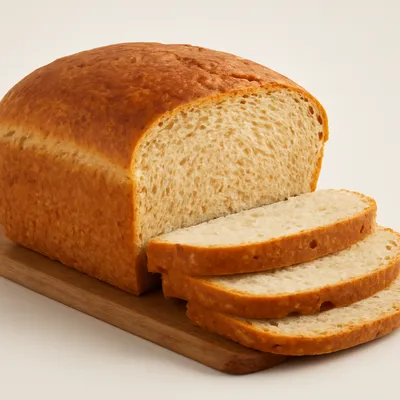
Toast 8 thick slices of country bread; rub with a cut garlic clove. Place 2 slices in each shallow bowl. Spoon the brodetto with all its layers over the bread, distributing each type of fish evenly. Scatter chopped parsley. Serve with a dry Abruzzo white wine (Trebbiano d'Abruzzo).
Archive tool suggestions — not reviewed
These legacy suggestions have not been evidence-reviewed and are not presented as required tools.


