A freshwater fish stew from the villages around Lake Trasimeno, Umbria's largest lake. A mixed catch — carp, eel, pike, perch and tench — is cut into pieces and slow-simmered in an earthenware pan with olive oil, garlic, parsley, tomato, white wine and a little chili, until the broth turns rich and the fish just yields. It is the lake's answer to the seafront fish stews of the coast, and is always eaten ladled over thick slices of toasted bread, which soak up the tomato-and-wine liquor. A rustic one-pot dish of the Trasimeno fishing communities, served hot at the centre of the table.






Tegamaccio is a traditional dish of the fishing villages that ring Lake Trasimeno — San Feliciano, Passignano, Magione, Castiglione del Lago and the lake islands — where freshwater fish, not meat, was the everyday food of the poor. It belongs to the cucina povera of the lake: the fishermen's mixed, less-saleable catch cooked together in one pot. The name comes from tegame, the earthenware pan it is cooked in, with the suffix giving it the rough, homely sense of 'a big pan of stuff'. No founding date or inventor is recorded — it is simply long-standing custom rather than dated history, and the lake's tench has been noted as a local fish since the Middle Ages without that record attaching to the stew itself. The dish carries no DOP, IGP or Slow Food status of its own, though it rides on the lake's celebrated produce — the Fagiolina del Trasimeno bean and the traditional Trasimeno fishery are both Slow Food Presidia. It is sometimes called the cacciucco del lago, the 'lake's cacciucco'.
A brothy, deep-red bowl smelling of wine, garlic and lake. The fish carry the soft, clean, faintly muddy sweetness of freshwater species rather than the brine of the sea: perch lean and delicate, pike firm, tench and carp soft, eel rich and almost gelatinous, holding the broth together. The base is light and savoury, sharpened by white wine and warmed by a thread of chili, and it is the toasted bread underneath — going soft as it drinks the liquor — that completes each mouthful. The catch here is bones: lake fish are full of fine intramuscular bones, so a good tegamaccio is eaten slowly and carefully; the reward is the silky, wine-dark broth.
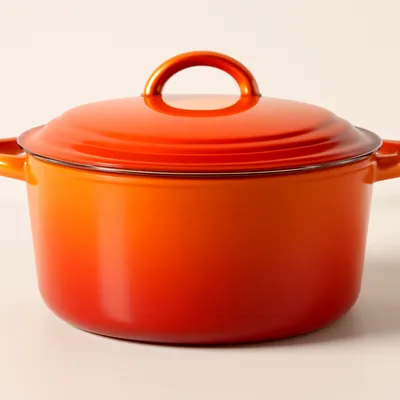
Different fish firm up and fall apart at different rates, so the stew is built in order: the aromatic base of oil, garlic and tomato is started first, the wine added and let cook off its harshness, and the firmer, slower fish (carp, eel, pike) go in before the delicate perch, so all arrive just-cooked together rather than the soft ones disintegrating. The earthenware pan matters: terracotta heats slowly and holds a low, even warmth, coaxing flavour out over a gentle simmer without boiling the fish to rags. As the fish cook, their gelatin and the eel's fat dissolve into the wine and tomato, thickening the thin liquor into something that bathes the bread; the white wine's acidity both balances the richness and helps brighten the lake-fish flavour. The bread is toasted, not fresh, so it drinks the broth and softens without dissolving to mush.
Variations
The fish mix is the chief variable — 'most of the lake's fish' go in, and the secondary species shift with the day's catch, though carp, eel, pike, perch and tench form the usual core. Cooks differ on the tomato, some using only a little fresh tomato or concentrate for colour, others a fuller sauce; some add a bay leaf or a pinch more chili. Every fishing village and family keeps its own hand, and the dish sits within the lake's wider repertoire of freshwater cooking — alongside the regina in porchetta (herb-roasted carp) and tench dishes of Trasimeno. It is distinct from the sea-fish stews it resembles: the Tuscan cacciucco and the Adriatic brodetto are built on many marine species and shellfish, while tegamaccio is a smaller, freshwater affair.
On the Palate
Where Tegamaccio sits in the Italian flavor cloud
Ingredients
Serves 4

How it's made
7 steps · 40 min
- 120 min
Clean and scale the fish, gut them, and cut the larger ones into thick steaks; leave small fish whole. Keep the firmer fish (carp, pike, eel) separate from the delicate perch.
- 25 min
Warm a generous pour of olive oil in an earthenware or heavy pan over low heat with whole garlic cloves and a little chili, until fragrant but not coloured.
- 35 min
Add chopped parsley and the tomato (fresh, peeled, or a spoon of concentrate) and let it cook down for a few minutes into a soft base.
- 44 min
Pour in the white wine, raise the heat briefly, and simmer until the sharp alcohol smell has cooked off.
- 56 min
Lay in the firmer fish first, spoon the sauce over them, cover and simmer gently; after a few minutes add the delicate fish.
Watch outLay the firm fish (carp, pike, eel) in first and only add the delicate perch a few minutes later — staged right, all arrive just-cooked together instead of the soft ones falling apart.
- 612 min
Simmer, shaking the pan rather than stirring (to keep the fish from breaking), until the flesh is just opaque and pulls from the bone and the broth has thickened.
Watch outShake the pan instead of stirring — the fish is fragile, and a spoon breaks it up; done is when the flesh just turns opaque and pulls from the bone.
- 75 min
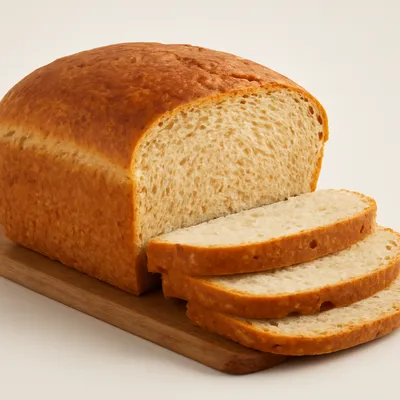
Season with salt, rest off the heat for a few minutes, and ladle over thick slices of toasted bread in warm bowls.
Archive tool suggestions — not reviewed
These legacy suggestions have not been evidence-reviewed and are not presented as required tools.