
Bone-in rabbit braised the Marche way, 'in potacchio' — seared in olive oil, then stewed slowly with garlic, fresh rosemary, and dry white wine into a tight, glossy sauce. The historic version is essentially 'in bianco' (no tomato); a little tomato or conserva is a more recent, optional addition. Garlic and rosemary are the defining aromatics, and the goal is lean rabbit kept tender in its own reduced juices. It is one of the two canonical Marche rabbit dishes, set apart from the fennel-roasted coniglio in porchetta.




Potacchio is a Marche braising method — Italian sources define it as 'a kind of braising, cooked down in a reduced sauce' — built on white wine, olive oil, garlic, and rosemary; the Marche kitchen names garlic and rosemary outright as 'gli odori del potacchio' (the aromatics of potacchio). Tomato is documented as a later, small addition ('in recent times, small quantities of tomato or tomato concentrate'), so the white, tomato-free base is the older form. The same treatment is applied across the region to chicken, lamb, monkfish, stockfish, and clams. The name's origin is debated: theories tie it to French potage (from Latin potare, to drink) or to a diminutive pultaculum, but the favored explanation links it to the Germanic pott, the cooking pot itself. Rabbit was a classic farmyard animal of central-Italian peasant kitchens, which is the everyday context for the dish, though no single dated 'first' recipe is recorded.
The rabbit comes apart at the joint but the meat still clings to the bone — lean, faintly gamey, far leaner than chicken. The sauce is the point: white wine cooked down with garlic and rosemary into something concentrated and just-clinging, glistening rather than soupy. Rosemary needles soften and perfume the whole pot; the garlic has gone sweet and mellow. Mop the reduced juices with bread. If tomato is in, it is a faint blush, not a red sauce.
Rabbit has very little intramuscular fat, so it dries out fast under high or dry heat — which is exactly why the moist, gentle potacchio braise suits it. The wine and reduced sauce keep the surface from drying, bone-in pieces buffer the heat and lend gelatin, and a low covered simmer slowly turns connective collagen to gelatin without driving the lean muscle far past doneness. Searing first builds browned, savory flavor before the liquid goes in; deglazing with white wine lifts those browned bits into the sauce. A short rest lets the juices settle back into the meat. Rosemary and garlic go in early so their oils infuse the fat and the wine.
Variations
The older 'in bianco' form keeps the sauce white, with no tomato; a small spoon of tomato or local conserva is the modern option. Bone-in pieces are standard; some cooks add a bay leaf, a splash of vinegar, or a handful of olives. The same potacchio base is the region's go-to for chicken (pollo in potacchio), lamb, and seafood such as stockfish all'anconitana. This dish is the deliberate counterpart to coniglio in porchetta, where the rabbit is boned and roasted with wild fennel instead of braised.
On the Palate
Where Coniglio in Potacchio sits in the Italian flavor cloud
Ingredients
Serves 4


How it's made
7 steps · 20 min
- 115 min
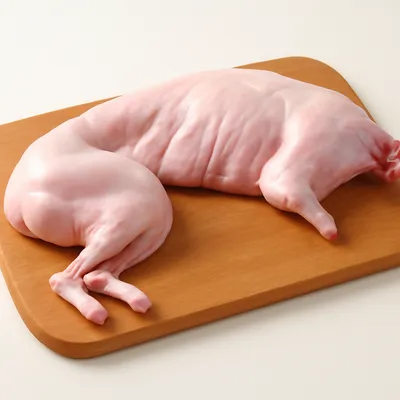
Cut the rabbit into bone-in pieces; pat very dry and season with salt and pepper.
Watch outPat the rabbit bone-dry before it hits the oil — surface moisture steams instead of searing and you never get the golden crust.
- 210 min
Sear the pieces in olive oil over medium-high heat until golden on all sides, then set aside.
- 33 min
Lower the heat; add whole crushed garlic cloves and fresh rosemary to the same oil and let them perfume the fat.
- 48 min
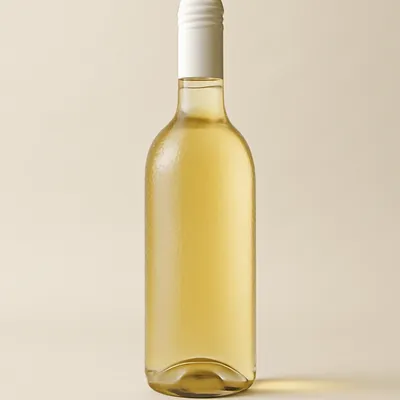
Return the rabbit, pour in the dry white wine, and let it bubble and largely evaporate.
Watch outDeglaze with the white wine and let it bubble down — this lifts the browned bits off the pan into the sauce.
- 52 min
Optionally stir in a little tomato or conserva plus a splash of water or broth.
- 650 min
Cover and braise gently, turning the pieces, until the rabbit is tender and the sauce is reduced and glossy.
Watch outBraise gently, lidded, just until the lean rabbit is tender — push it hard or long past done and this low-fat meat dries out fast.
- 75 min
Rest off the heat for a few minutes, then serve with the reduced juices and bread.
Archive tool suggestions — not reviewed
These legacy suggestions have not been evidence-reviewed and are not presented as required tools.



