
A Tuscan cucina povera beef stew from Impruneta, the terracotta-making town just south of Florence on the road into Chianti. Tough, collagen-rich beef shin is cut into chunks and braised slowly in Chianti red wine with a large amount of black pepper, whole garlic and salt — and, in the traditional version, no tomato at all. It is cooked covered in an earthenware pot until the meat is almost spreadable and the wine has reduced to a dark, peppery sauce. Served hot as a main, traditionally piled onto toasted Tuscan bread.





A traditional dish of Impruneta, a town long famous for its heat-resistant galestro-clay terracotta. The name «alla fornacina» means «in the manner of the kiln workers»: the fornacini who fired the town's bricks and tiles set cheap, tough cuts in a covered earthenware pot at the mouth of the still-hot kilns and let the residual heat do a long, unattended cook. The dish is traditionally dated to the medieval Impruneta kiln tradition — variously placed in the 1300s, or around 1400–1425, when terracotta was being fired for the dome of Florence's cathedral. By that later tradition Filippo Brunelleschi, who sourced Impruneta terracotta for the cupola of Santa Maria del Fiore (built about 1420–1436), is said to have favored the kiln workers' peposo and had it carried up to the men building the dome; the kiln-worker origin is well attested, but the Brunelleschi episode is folklore, not documented record. In 2010 the Accademia Italiana della Cucina (Florence delegation) and the Comune di Impruneta drew up a disciplinare for «peposo all'imprunetina» and registered it as a trademark with the Florence chamber of commerce; the dish carries no DOP or IGP.
The meat is dark, soft and yielding — braised so long that it pulls apart at the touch of a fork and almost spreads, with no chew left in it. The sauce is winey and glossy, stained near-black by the reduced Chianti, and unapologetically hot with black pepper: a warm, resinous heat that builds at the back of the throat rather than a sharp bite. There is no tomato, so the flavour is all wine, beef and pepper, rounded by sweet softened garlic. A good peposo is rich and almost jammy; a thin, watery one means the wine was not reduced enough, and a harshly bitter one means it was boiled too hard. Eaten on toasted unsalted Tuscan bread that soaks up the sauce.
This is a long, low wine braise of a collagen-rich cut. Beef shin (muscolo) is full of tough connective tissue; held in liquid kept to a bare simmer, the collagen slowly hydrolyzes into gelatin, which is what turns the meat fork-tender and gives the sauce its glossy, almost jammy body. Around 85 to 95°C the conversion runs steadily over a few hours; a hard boil instead squeezes water from the muscle fibres and leaves the meat dry and stringy, so the pot is kept barely bubbling. The earthenware vessel matters: Impruneta terracotta heats evenly and gently, the same property that made it the kiln workers' pot. The heavy dose of black pepper works because its pungent compound, piperine, is poorly soluble in water but readily dissolves into the fat and alcohol of the braise, carrying its heat through the whole dish; cooking in wine rather than water also lets the alcohol draw out aroma compounds, while the long reduction concentrates the wine's sugars and acids into the dark final sauce.
Variations
The traditional version takes no tomato — its absence is the historical point, since tomato did not enter Tuscan cooking until long after the dish — though some modern home cooks add a little. The disciplinare allows the meat to be cut from shin (muscolo) or cheek (guancia), the garlic is optional, and many cooks add a sprig of rosemary or sage, a bay leaf or a few juniper berries. The wine should be Chianti or another Tuscan Sangiovese. Peposo belongs to the broad Tuscan family of heavily peppered, wine-braised meats; it is a close cousin of the Florentine peppery stews and is sometimes used, shredded with its sauce, to dress pasta.
On the Palate
Where Peposo alla Fornacina sits in the Italian flavor cloud
Ingredients
Serves 4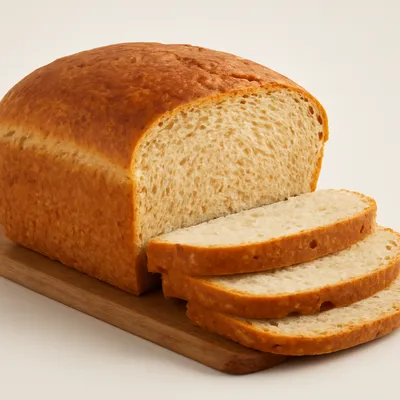
How it's made
7 steps · 20 min
- 115 min
Cut the beef shin into large chunks of about 4 cm and season with salt.
- 25 min
Put the beef into an earthenware or other heavy pot with the whole peeled garlic cloves and the black peppercorns, part left whole and part coarsely crushed.
- 33 min
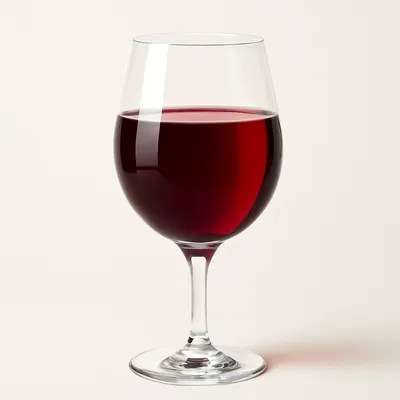
Pour over enough Chianti to nearly cover the meat, and add a sprig of rosemary or a bay leaf if you like.
- 4175 min
Bring slowly to a bare simmer, then cover and cook very gently, never at a hard boil, for about 3 hours, stirring now and then.
Watch outKeep it at a bare simmer for 3 hours, never a hard boil — a rolling boil squeezes the shin dry and stringy; gentle heat melts it tender.
- 520 min
Uncover for the last stretch if the sauce is thin, and let the wine reduce to a dark, glossy gravy as the meat falls apart.
Watch outReduce at the end until the wine is a dark glossy gravy — that jammy body comes from the collagen turning to gelatin, not from flour.
- 63 min
Adjust the salt and add a final grinding of fresh black pepper toward the end.
- 74 min
Serve hot, piled onto slices of toasted unsalted Tuscan bread, with a glass of Chianti.
Archive tool suggestions — not reviewed
These legacy suggestions have not been evidence-reviewed and are not presented as required tools.



