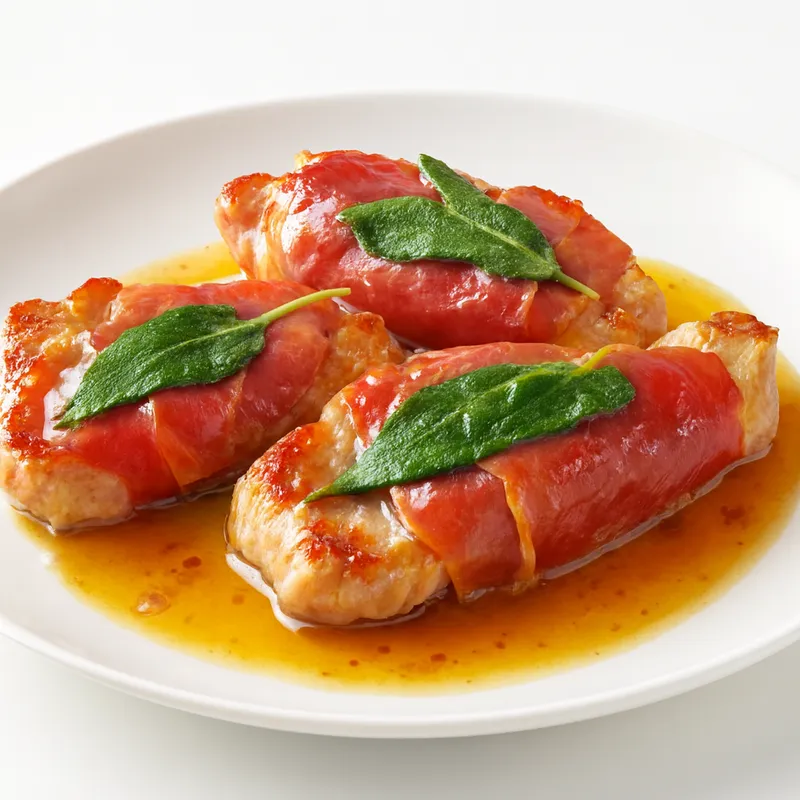
A Tuscan mixed-meat stew from the inland Casentino and the Maremma, in the provinces of Arezzo and Grosseto. Several different meats — typically chicken, guinea fowl, rabbit, lamb, pork and veal, and in the Maremma often game such as wild boar — are cut into pieces, seared, then simmered together in a soffritto with red wine, tomato and herbs until tender. The mix of meats is the whole point: the more kinds in the pot, the richer the result. It is ladled, still in its thick sauce, over slices of garlic-rubbed toasted Tuscan bread set in the bottom of the bowl. The dish is nicknamed cacciucco di carne or cacciucco di terra — a meat counterpart to the seafood cacciucco of nearby Livorno.
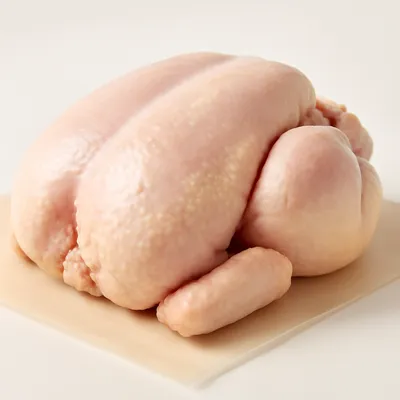
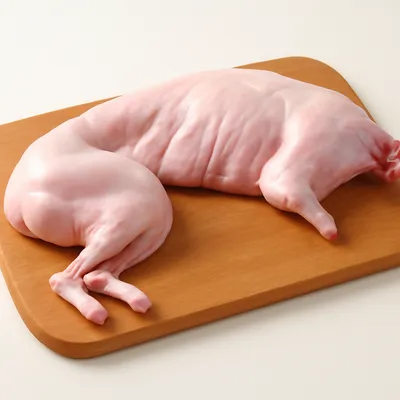



The exact origin is unrecorded; the dish belongs to the cucina povera of inland Tuscany, and both the Casentino, the mountain valley straddling the provinces of Arezzo and Florence, and the Maremma to the south claim it. It is said to be medieval, with some accounts placing its roots as far back as the Etruscans, but neither claim is documented. Its character is communal: families in the small hill villages would gather the day after a feast with the leftovers of their various roasts and cook them down together into one shared pot — the scottiglia. The Maremma version is tied to the old transhumance routes of the herders, who moved between the two areas through the Chianti hills and carried the recipe with them, which is why the Casentino and Maremma styles are close cousins. The name comes from the verb «scottare», to sear or scald: the meats were first seared in earthenware cocci before the wine and tomato were added and the long cooking began. The nicknames «cacciucco di carne», «cacciucco di terra» and «cacciucco del Casentino» set its medley of meats against the medley of fish in the cacciucco of coastal Livorno. The Pescina version, from the village of Pescina on the slopes of Monte Amiata, is registered among Tuscany's prodotti agroalimentari tradizionali (traditional food products) as «sugo di scottiglia alla pescinaia»; the dish carries no DOP or IGP.
A deep red, soup-thick stew, dense with chunks of several meats that each taste a little different — the firm pull of lamb and pork, the leaner bite of rabbit and chicken, the gaminess of boar in the Maremma version — all bound into one glossy, wine-and-tomato sauce. The flavour is layered and strongly savoury, rounded by softened garlic and lifted by rosemary and sage, with a faint warmth from chili. The point is the toasted bread underneath: rubbed with raw garlic, it goes soft and saturated as the hot sauce soaks in, carrying meat and gravy together in each spoonful. A good scottiglia is rich and many-flavoured from the mix of meats; cook only one kind and it loses the character that gives the dish its name.
Scottiglia is built on two ideas: searing for flavour, and cooking a mix of meats so that each is done right. The pieces are first seared — «scottate» — so the Maillard reaction between their proteins and sugars builds the browned, savoury crust and the fond that flavours the sauce. They then braise gently in wine and tomato; the tougher, collagen-rich cuts and the game slowly hydrolyze their connective tissue into gelatin, which turns them tender and gives the sauce its body and gloss. Because the meats differ in toughness, they are added in stages by cooking time: the long-cooking ones — boar, lamb, the bonier cuts — go in first, and the quick, delicate ones such as chicken breast and rabbit loin go in later, so nothing is raw and nothing falls to threads. A bare simmer, kept below a hard boil, runs the collagen conversion steadily over a few hours without squeezing the muscle dry. Pouring the stew over toasted bread is both structural and chemical: toasting stiffens the crumb so it holds together instead of dissolving, while its toasted, slightly bitter flavour and the raw garlic rubbed across it stand up to the rich sauce it drinks in.
Variations
There is no fixed roster of meats — what is on hand decides — but the spirit is variety, and the more kinds in the pot the better. The Casentino style of the inland valley leans on farmyard and barnyard meats: chicken, guinea fowl, rabbit, lamb, pork and veal, browned with a soffritto, red wine and tomato. The Maremma style to the south is stronger and gamier, often built on wild boar, hare and kid alongside chicken and pork, scented with rosemary and sage, and sometimes served over polenta as well as bread. The Pescina version on Monte Amiata is the one registered as a traditional Tuscan product. All of them share the nickname cacciucco di carne or cacciucco di terra, the meat answer to Livorno's seafood cacciucco, and all are served over toasted, garlic-rubbed Tuscan bread.
On the Palate
Where Scottiglia sits in the Italian flavor cloud
Ingredients
Serves 6


How it's made
9 steps · 30 min
- 120 min
Cut the various meats into bite-sized pieces, keeping the long-cooking meats (boar, lamb, bonier cuts) separate from the quick, delicate ones (chicken breast, rabbit loin).
- 26 min
In a wide heavy pot or earthenware coccio, warm olive oil with whole garlic, a sprig of rosemary and a small chili until fragrant, then lift out the garlic.
- 38 min
Add a soffritto of finely chopped onion, carrot and celery and cook gently until soft.
- 415 min
Raise the heat and sear the tougher meats in batches until well browned on all sides, then return them all to the pot.
Watch outSear the tough meats in batches until well browned on all sides — crowding steams them grey and you lose the fond that flavors the sauce.
- 56 min
Pour in the red wine and let it bubble until the raw-alcohol smell is gone, scraping up the browned bits.
- 65 min
Stir in crushed tomatoes and a little broth, season, and bring to a bare simmer.
- 7120 min
Cover and cook very gently for about 2 hours, never at a hard boil, adding the quick, delicate meats partway through so they finish tender but whole.
Watch outAdd the delicate meats only partway through the braise — put them in too early and the chicken and rabbit overcook and fall apart.
- 86 min
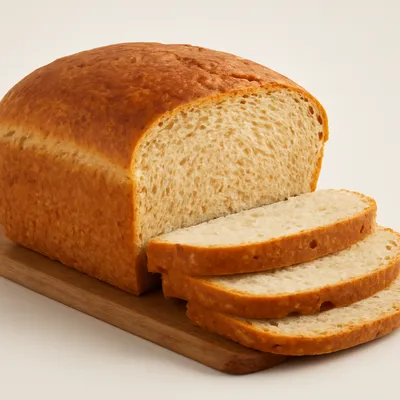
Toast slices of Tuscan bread and rub each with a cut raw garlic clove.
- 94 min
Lay the garlic toast in warmed bowls, ladle the scottiglia and its sauce generously over the top, and serve at once.
Archive tool suggestions — not reviewed
These legacy suggestions have not been evidence-reviewed and are not presented as required tools.