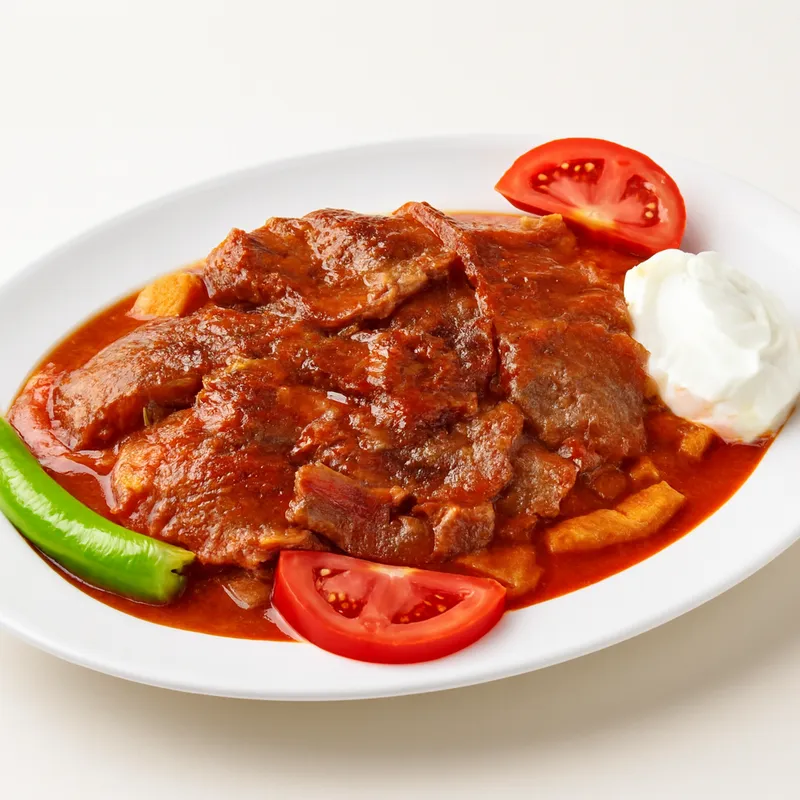
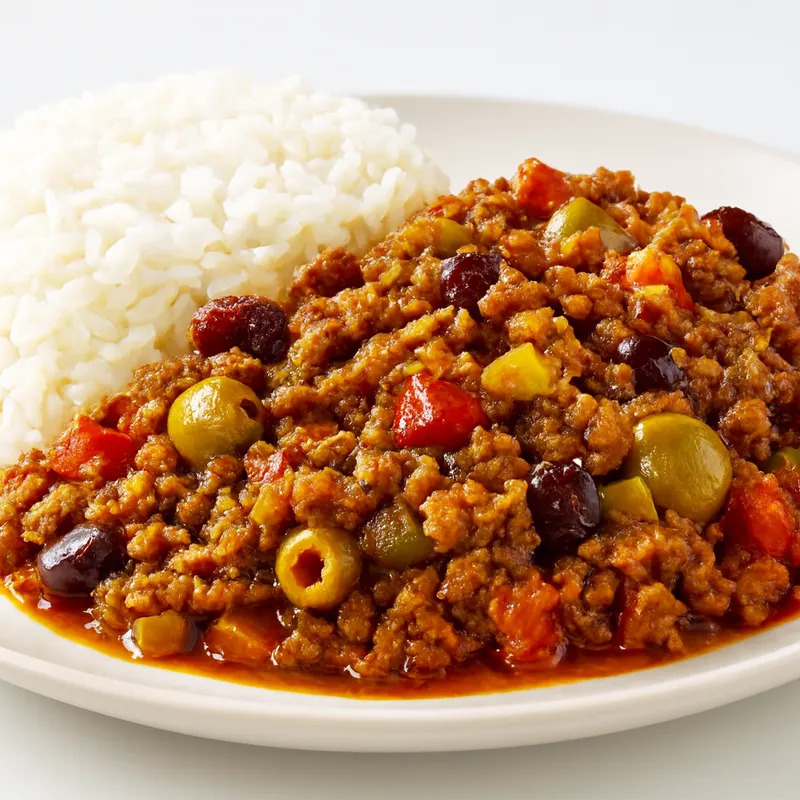
Tomato sauce, with its rich, tangy flavor and velvety texture, forms the backbone of countless dishes, from pasta to pizza. Its sweet and acidic notes create a comforting familiarity, making it a culinary staple.
Where it comes from
Tomato sauce, popularized by Italian cuisine, has roots in the Americas, where tomatoes were first cultivated. Its evolution reflects the journey of Italian immigrants who brought this beloved sauce to the world.
In the kitchen
In cooking, tomato sauce serves as a base for sauces, soups, and stews, providing depth and flavor. Its versatility allows it to complement a variety of ingredients, enhancing overall taste.
Nutrition (per 100g)
80kcalCal
1.0gProtein
3.0gFat
16.0gCarbs
2.0gFiber
Values are AI-estimated, not from a laboratory database
Pairs well with
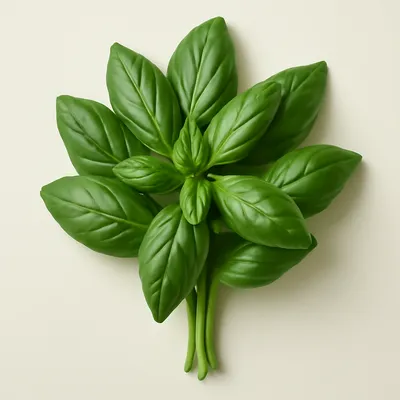
Basil
Add fresh basil at the end. Its sweet, peppery notes lift the sauce's richness. Heat kills its brightness, so keep it fresh.

Garlic
Sauté garlic in olive oil before adding the sauce. The garlic's sharpness mellows, enriching the sauce's depth.

Parmesan Cheese
Grate over hot sauce. Parmesan's salty, umami punch rounds out the tomato's acidity. Use off-heat to avoid clumping.

Macaroni
Simmer tomato sauce with herbs, then toss with macaroni. The acidity brightens and balances the pasta's soft texture.
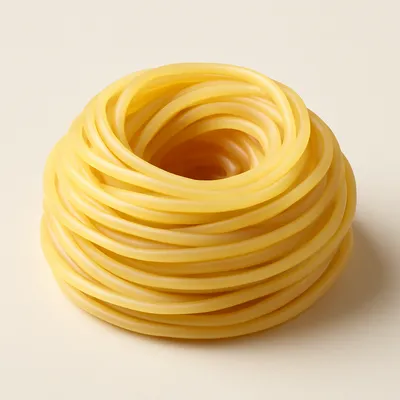
Pasta
Simmered together, pasta absorbs the sauce's tangy depth. Always finish with a splash of pasta water for a silky coat.

Ravioli
Simmer gently, let the acidity cut through the richness of the filling. Fresh basil at the end lifts it all.