
Cuban
Ropa vieja: shredded beef stew.
Mojo
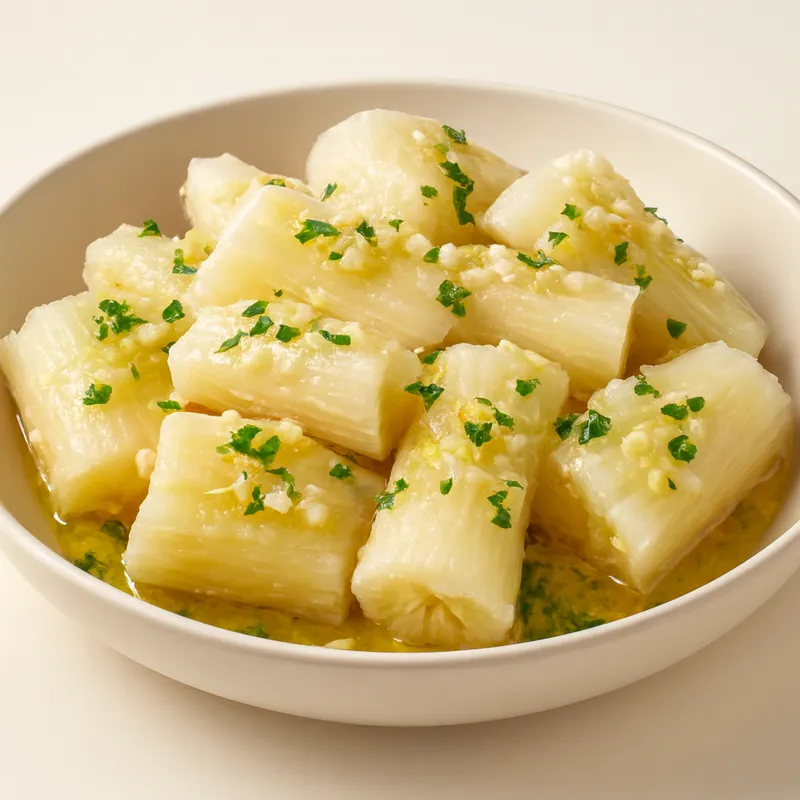
Mojo is a citrus-garlic marinade used to flavor meat and vegetables, integral to Cuban cuisine's vibrant taste profile.
View page →A Cuban meal moves to its own rhythm — the sizzle of garlic in hot oil, the thump of a mortar crushing sofrito, the hiss of a sandwich press flattening pork and cheese into something greater than the sum of its parts. Plates arrive family-style: a mound of black beans over white rice, a platter of slow-shredded Ropa Vieja, a tangle of crisped Vaca Frita, and always — always — Tostones waiting to be dipped in mojo.
This is cuisine built on three bloodlines. Spanish saffron, olives, and sofrito. West African beans, plantains, and patient one-pot cooking. Indigenous Taíno staples like yuca and corn. What emerged on the island — and later in Miami, Tampa, and Havana's diaspora — is food that tastes both humble and celebratory at once. Nothing is fussy. Everything is seasoned with time, garlic, and citrus, and every table has someone telling a story as the rice cooker clicks off.
The Palate
Start Here
Flank steak braised with tomato, bell peppers, and olives until the meat pulls apart into ribbons. The national dish.
Why start here · Teaches the Cuban braise — cheap cut plus sofrito plus time equals the deepest flavor on the island.
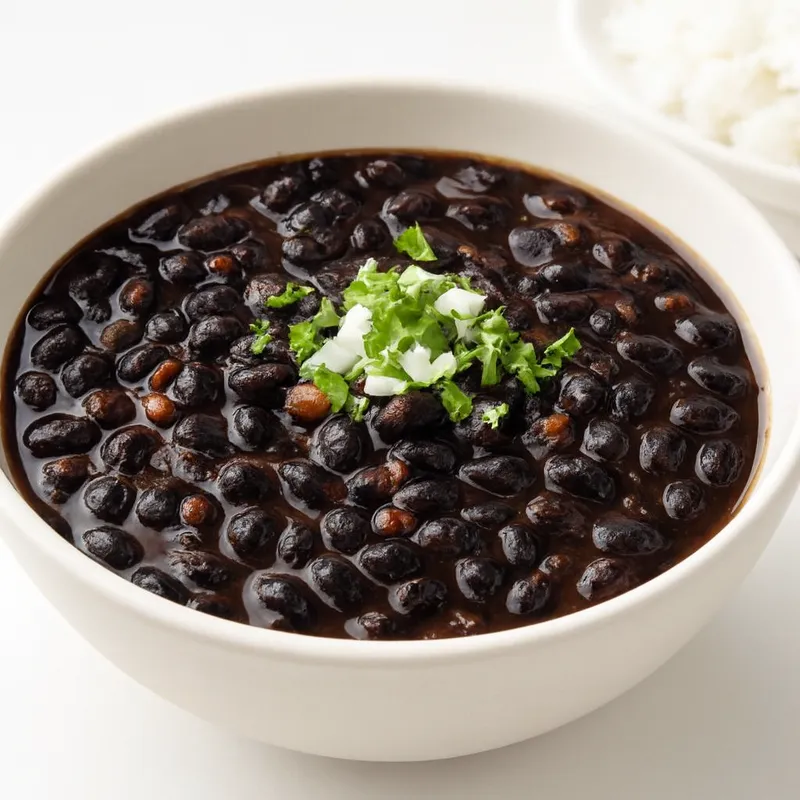
Black beans cooked down with their rice in one pot, seasoned with sofrito and bay leaf. Literally 'Moors and Christians.'
Why start here · The everyday plate — rice and beans aren't a side here, they're the backbone of the meal.
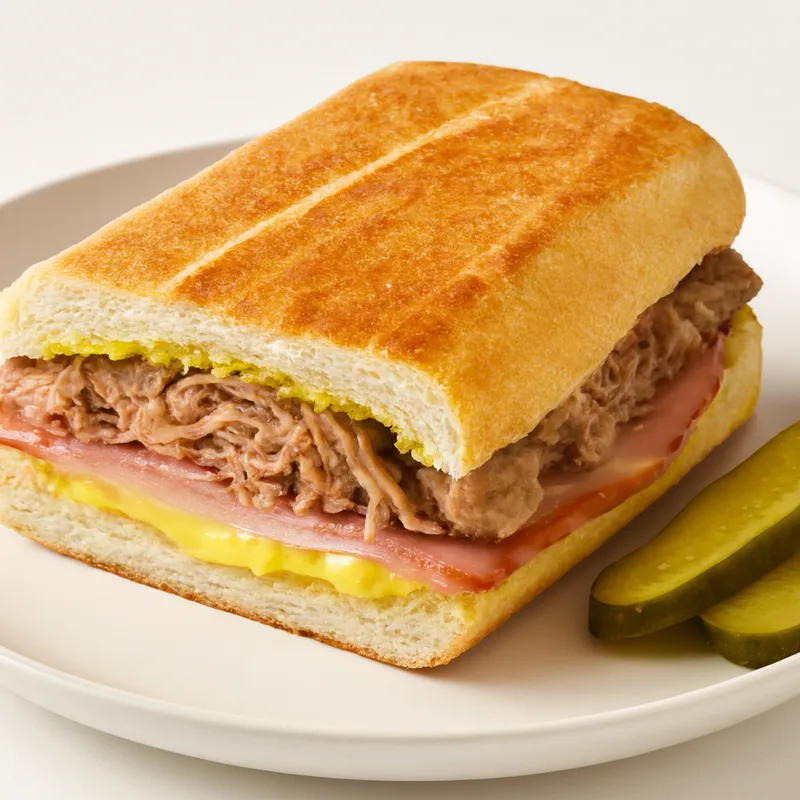
Roast pork, ham, Swiss cheese, pickles, and mustard pressed flat between Cuban bread until the crust shatters.
Why start here · The diaspora's most iconic dish, and a masterclass in how pressing turns good ingredients into something unmistakable.
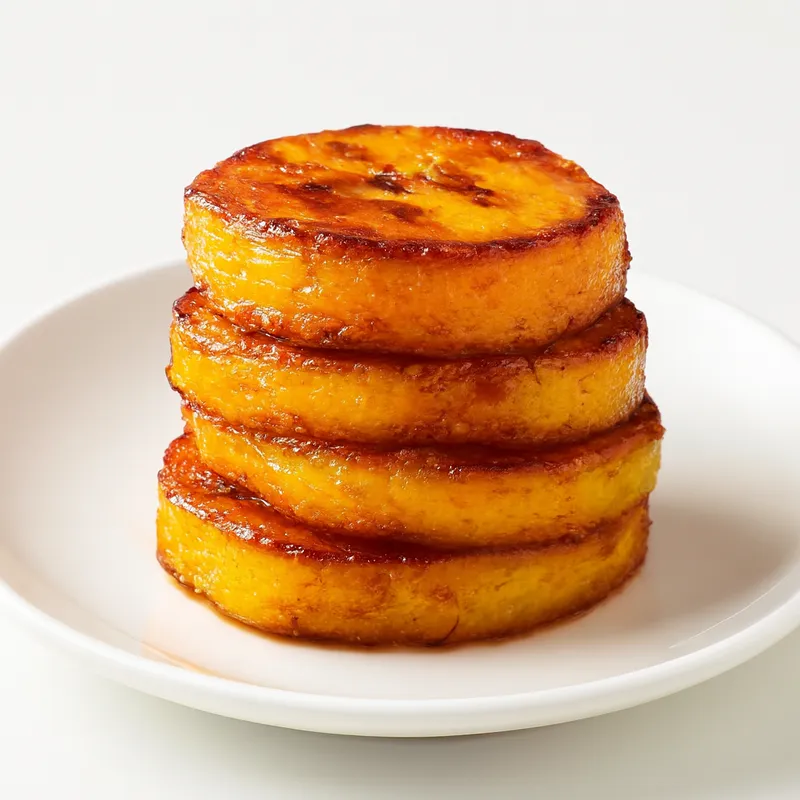
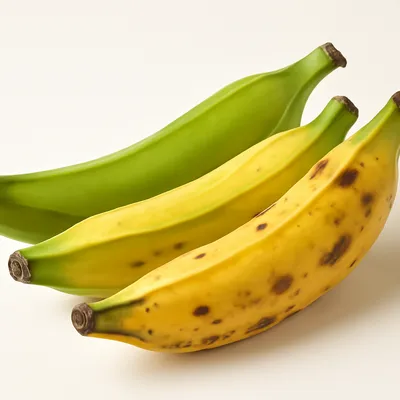
Green plantains twice-fried, smashed flat between fries, then fried again until the edges crisp.
Why start here · The gateway to Cuban frying technique — starch, heat, and salt, served with garlicky mojo on the side.
Cook First
The easiest way in


The Pantry


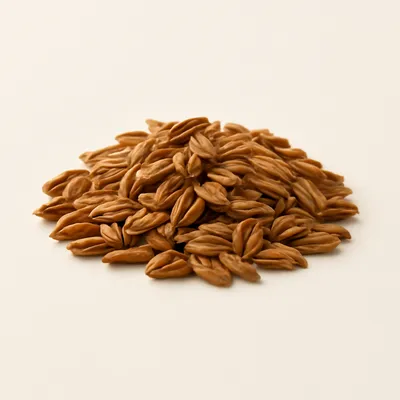

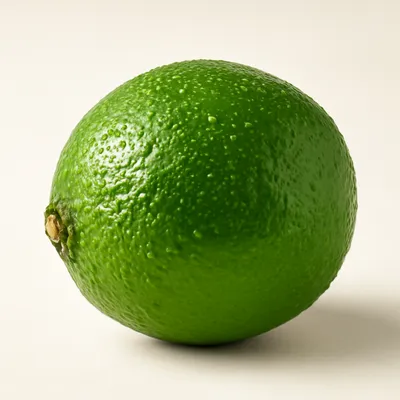

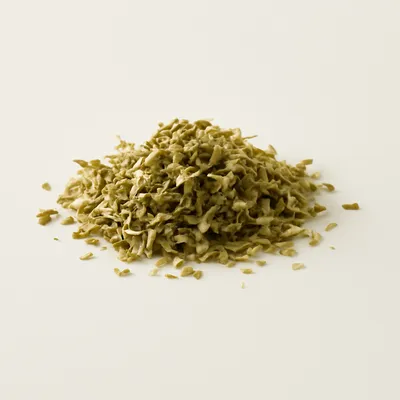

See all 129 ingredients›
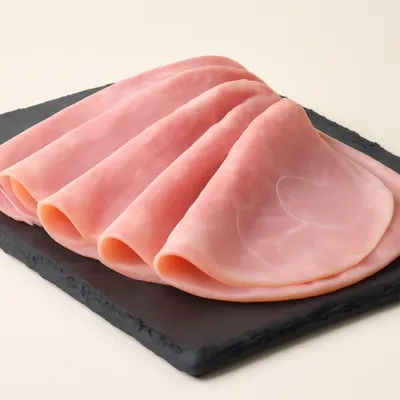



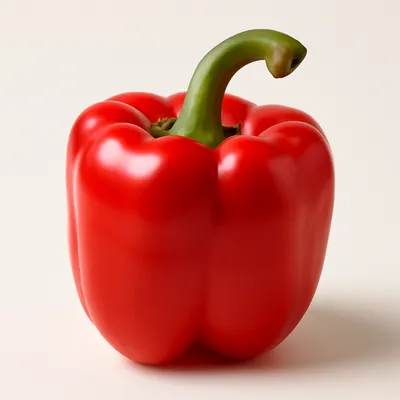
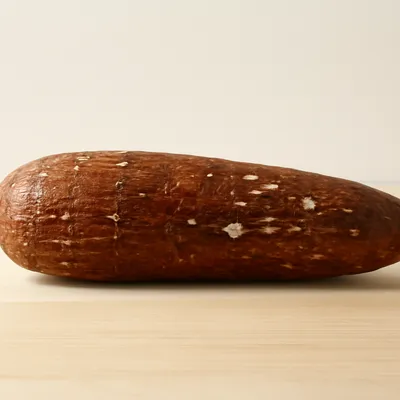

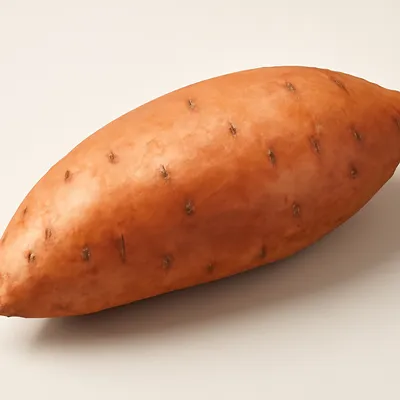



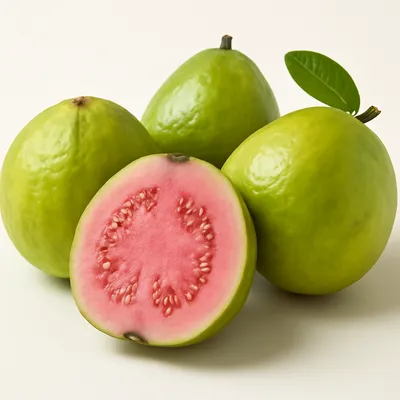






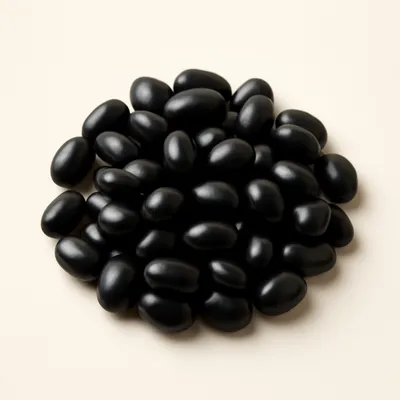


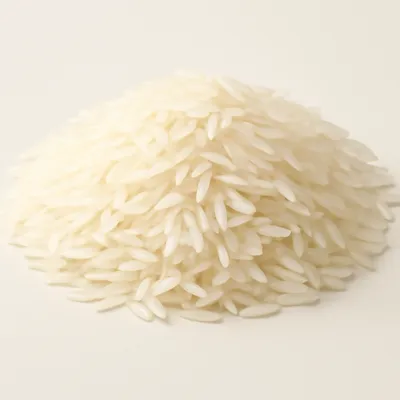
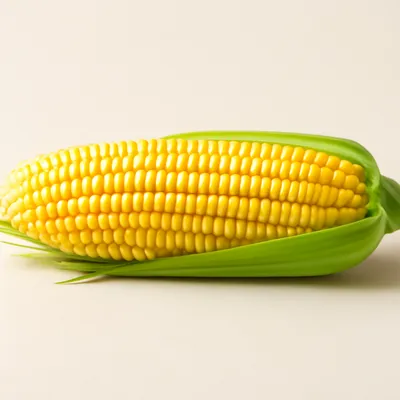
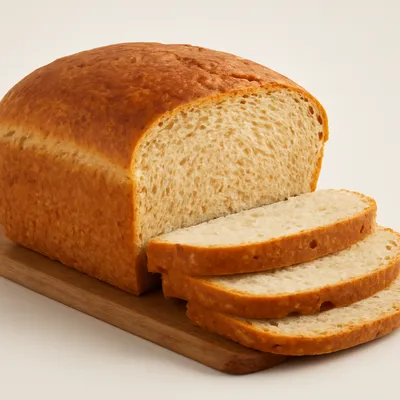

Dairy & Fats














Other

On the Map
Where this cuisine is found
Regional Styles
Havana
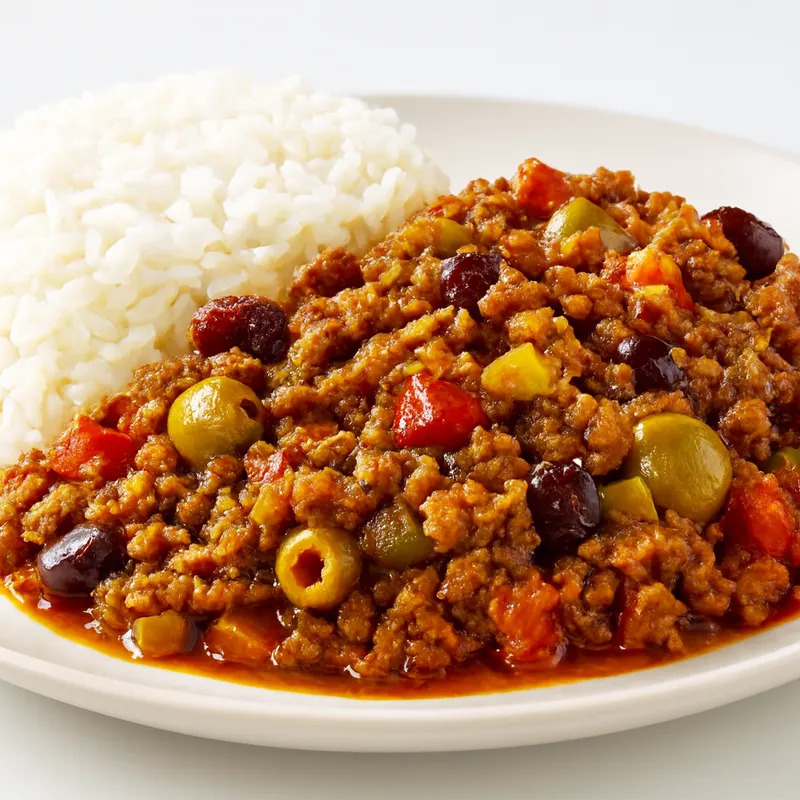
Havana, the vibrant heart of Cuban culture, is where Spanish, African, and Caribbean cooking blur together in crowded paladares and sidewalk ventanitas — the pressed Cuban Sandwich and home-cook Picadillo both live on the same block.
Santiago de Cuba
Santiago de Cuba, on the country's eastern end, leans hotter and more Afro-Cuban — bolder spicing, more citrus, and a tradition of cooking beef and pork until both crisp and tender in the same bite.
How They Cook
Techniques that define this cuisine
Kindred Kitchens
Cuisines built on the same signature ingredients