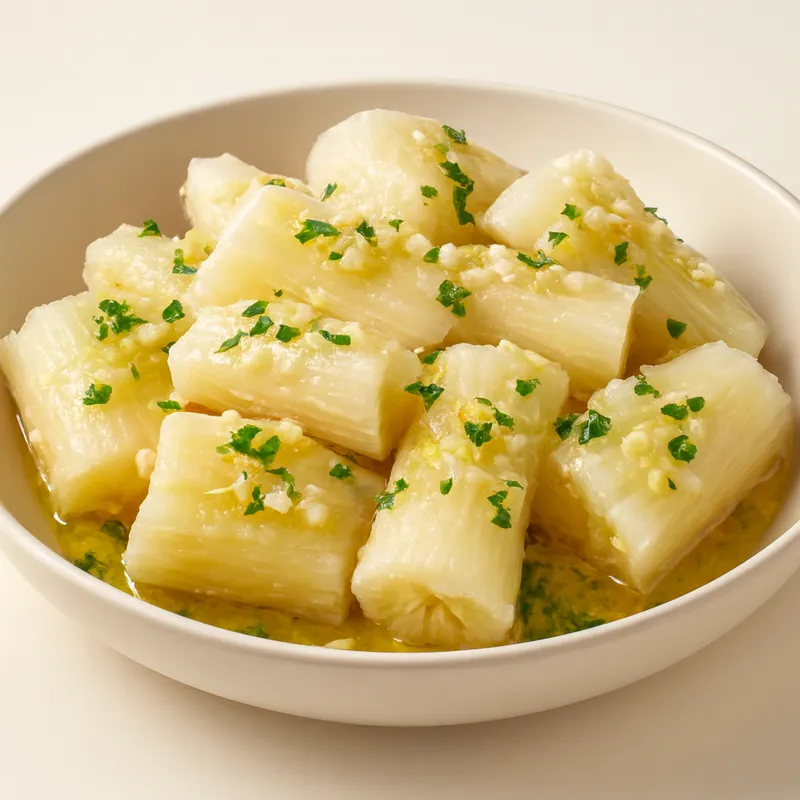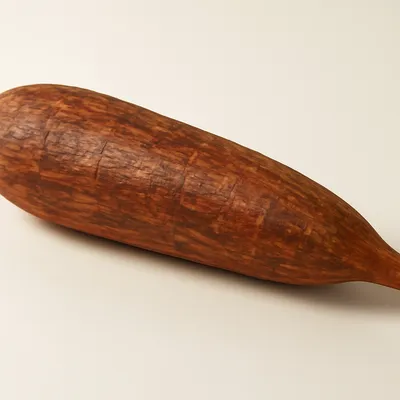
Starchy, slightly nutty tuber with a creamy texture when cooked, yuca transforms from a fibrous root into a delightfully dense base for dishes. Its subtle flavor absorbs spices beautifully, allowing it to shine in both savory and sweet preparations.
Where it comes from
A staple in South American and African cuisines, yuca has been cultivated for thousands of years and is often celebrated for its resilience in poor soil. It was introduced to the Caribbean by indigenous peoples long before European contact.
In the kitchen
Commonly boiled, mashed, or fried, yuca serves as a hearty substitute for potatoes in dishes like cassava fries or yuca gnocchi, offering a unique texture and flavor profile that elevates comfort food to a gourmet experience.
Nutrition (per 100g)
Values are AI-estimated, not from a laboratory database
Pairs well with