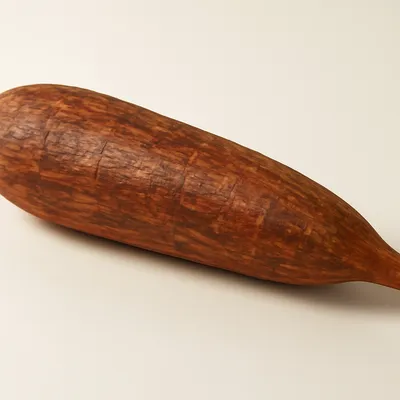


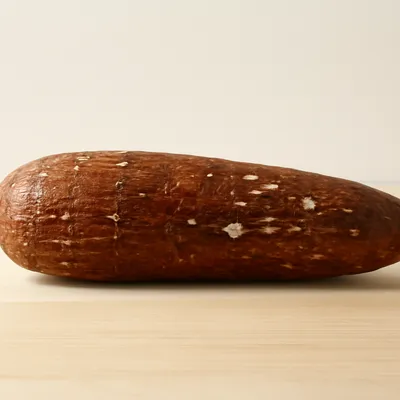

Cassava was the staple crop of the Taino, the indigenous people of the Caribbean, well before 1492 — though the plant itself is not native to the Caribbean: Manihot esculenta was domesticated in the southwestern Amazon (modern Brazil/Bolivia) over 10,000 years ago and spread north to the Antilles. The mojo dressing, by contrast, is Canary Islander, brought to Cuba by settlers from the islands in the 17th–18th centuries. The Canarian red mojo is a garlic-vinegar-paprika sauce (the name traces to Portuguese molho, 'sauce'); the Cuban version dropped the paprika and leaned on bitter (Seville) orange, which grew well in the colony. The last-minute pour of smoking oil over raw garlic is a Cuban refinement.
Taíno cassava under a Canary Islander dressing — paprika dropped, sour Seville orange in. Smoking-hot oil hits raw garlic at the table for one second at 180°C+ to deactivate alliinase, locking the flavor at pungent-but-not-bitter. Cooking the garlic from cold would brown it — wrong direction.
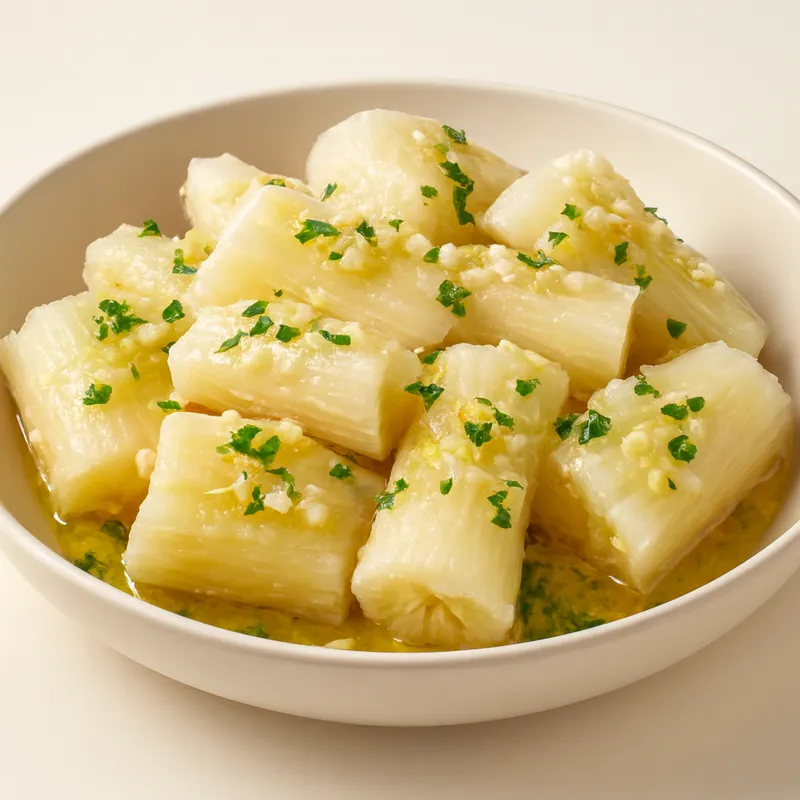
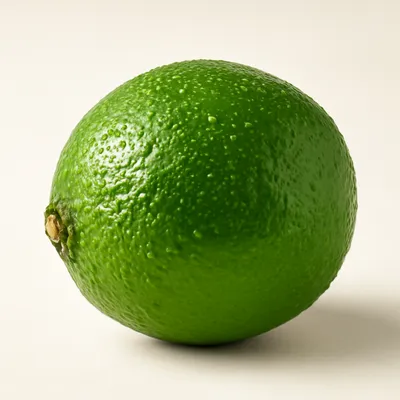
Boiled cassava chunks, soft and starchy, drowned in mojo — raw garlic crushed with sour orange juice (or lime + orange), olive oil, salt, hit with a ladle of just-smoking oil at the table so the garlic blooms. Sharp, oily, garlicky. Eaten with roast pork or as its own plate. The cassava should yield to a fork but not turn to mush; rubbery yuca is undercooked.
Pouring smoking oil on raw garlic at the last minute is chemistry, not theater. Raw garlic's allicin is harsh and short-lived; brief high-heat contact (a second or two of 180°C+ oil) deactivates the alliinase enzyme, locking the flavor at the pungent-but-not-bitter stage. Cooking the garlic in the pan from cold instead would brown and sweeten it — wrong direction.
Variations
Canarian mojo verde uses cilantro and green pepper, no orange; Cuban mojo uses sour orange (naranja agria); Puerto Rican mojito de ajo skips the orange; Dominican yuca con cebolla swaps mojo for vinegared onion.
On the Palate
Where Yuca con Mojo sits in the Cuban flavor cloud
Ingredients


How it's made
4 steps · 16 min
- 15 min
Fill a large pot with water and bring it to a rolling boil. Peel and chop the yuca into 2-inch pieces, then add them to the pot with 1/4 cup salt. Boil until tender, about 25 minutes.
Watch outBoil at a hard rolling boil for the full 25 minutes until a fork slides through with no resistance.
- 27 min
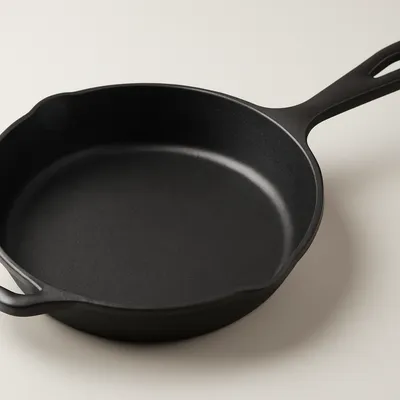
Meanwhile, heat olive oil in a deep skillet over medium heat. Add sliced onions, minced garlic, peppercorns, and bay leaves. Stir constantly until the onions are soft and translucent, about 7 minutes.
Watch outSoften the onion and garlic gently to translucent — don't let them brown, you want them mellow not sweet.
- 31 min
Remove the skillet from heat, then stir in vinegar and season with salt to taste. The aroma should be tangy and fragrant.
- 43 min
Drain the cooked yuca and arrange it on a serving dish. Pour the warm mojo sauce over the yuca, ensuring each piece is coated evenly.
Watch outPour the mojo over the hot drained yuca and coat every piece so it drinks in the sauce.
Archive tool suggestions — not reviewed
These legacy suggestions have not been evidence-reviewed and are not presented as required tools.