Cassava
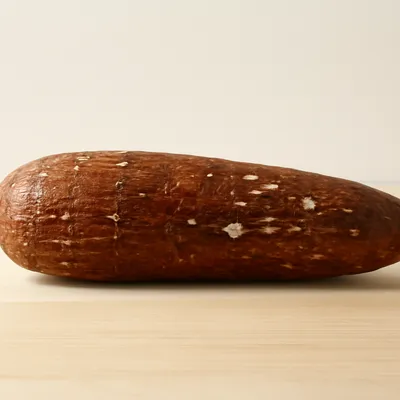
Starchy and mildly nutty, cassava has a dense, chewy texture that contrasts beautifully with its subtly sweet flavor. This versatile tuber is a cornerstone in many tropical cuisines around the world.
Where it comes from
Indigenous to South America, cassava gained global prominence through its adaptability, becoming a vital food source in Africa and Asia.
In the kitchen
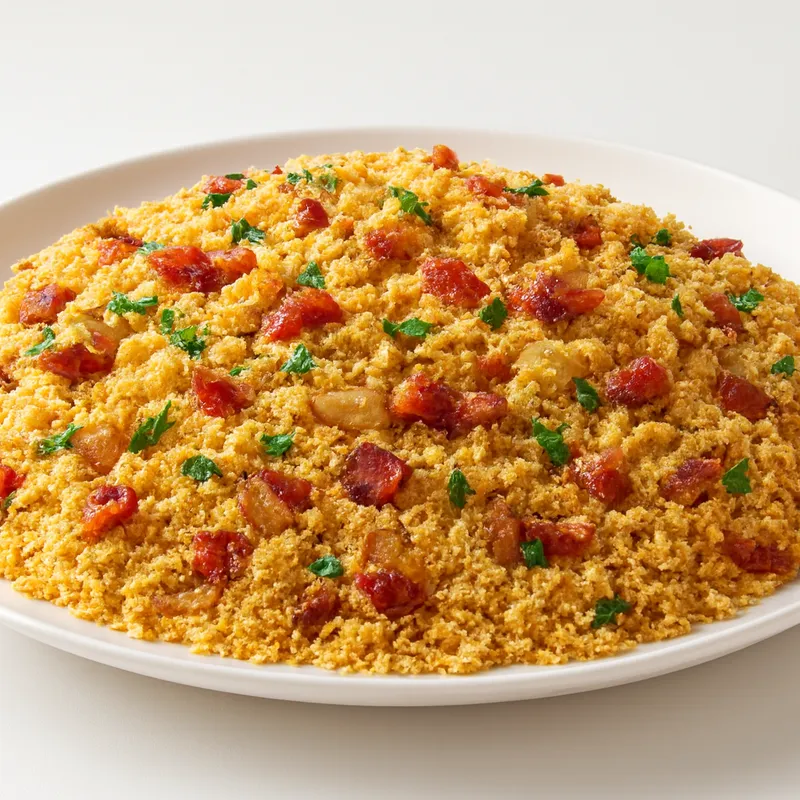
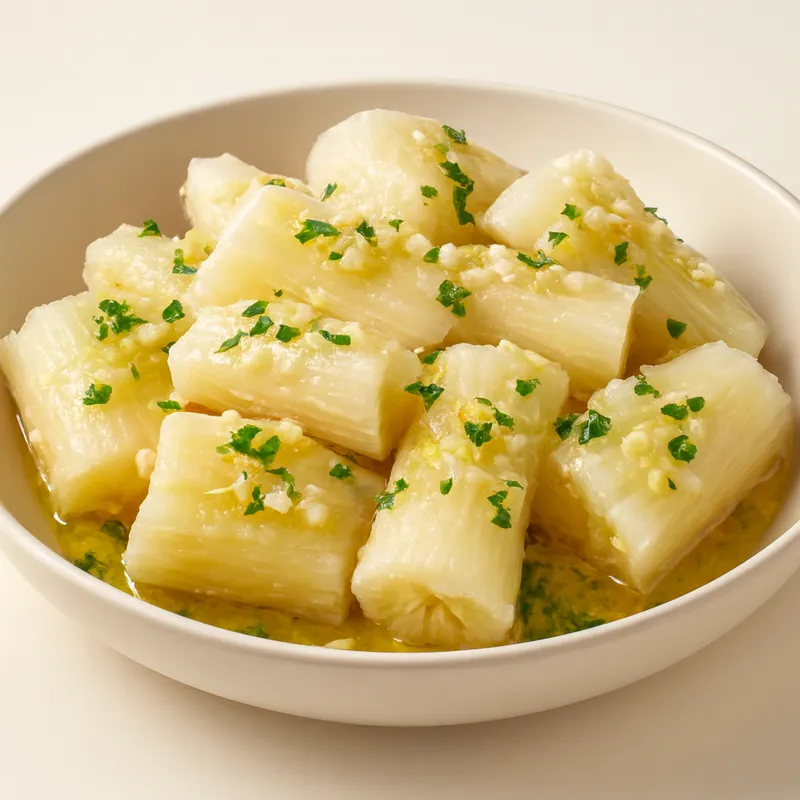
Cassava is often boiled, mashed, or ground into flour, contributing body and texture to dishes, while also being a key ingredient in traditional flatbreads.
Across cuisines
The Ivorian foundational starch — grated, fermented, and steamed into attiéké, or boiled and pounded into fufu. The country's most-consumed root crop.
Cassava — the Indigenous Amerindian (Arawak, Carib) staple. Cassareep (concentrated cassava juice) is the unique Guyanese preservation liquid used in pepperpot (the national dish). Cassava flour for casabe bread.
Cassava (mandioca) — pounded into funje and pirão, the universal carbohydrate base of Angolan meals. Source: Wikipedia (Angolan cuisine).
Nutrition (per 100g)
AI-estimated; model and run unavailable.