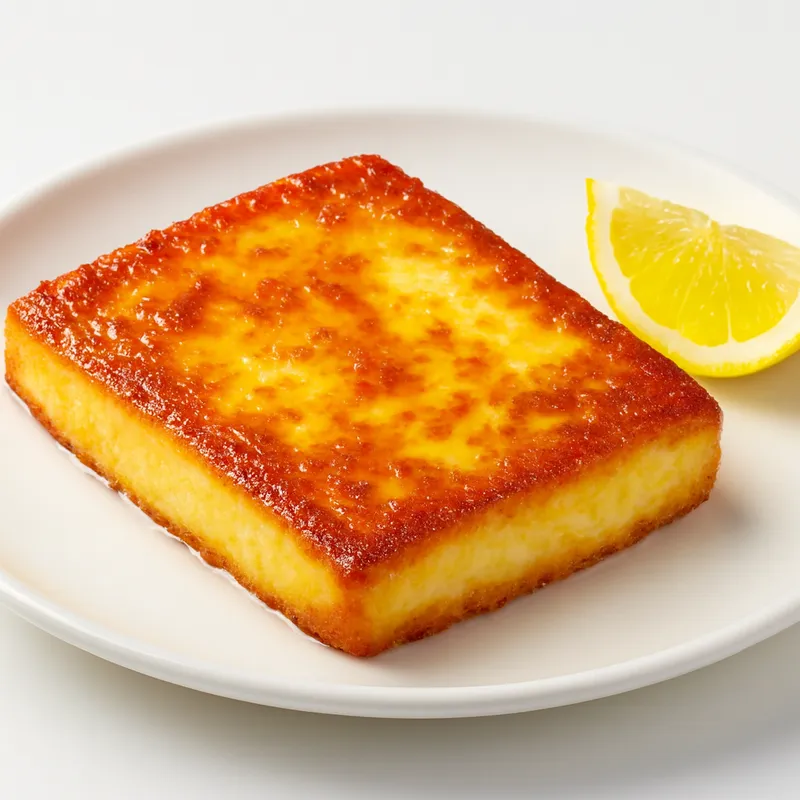
Fried flatbread made from cassava.




Pre-Columbian. The Taíno (Arawak) people of Jamaica were making bammy from bitter cassava long before Columbus landed in 1494 — it was their staple flatbread. Cassava is poisonous raw (cyanogenic glycosides); the Taíno developed the grate-press-dry process specifically to detoxify it. One of the few dishes in modern Caribbean cooking that predates European contact.
Pre-1494. Taíno bitter-cassava flatbread, pre-Columbian — they invented the matapí press to wring cyanogenic glycosides out before Europeans arrived. Modern bammy uses sweet cassava, but the press still defines the texture.
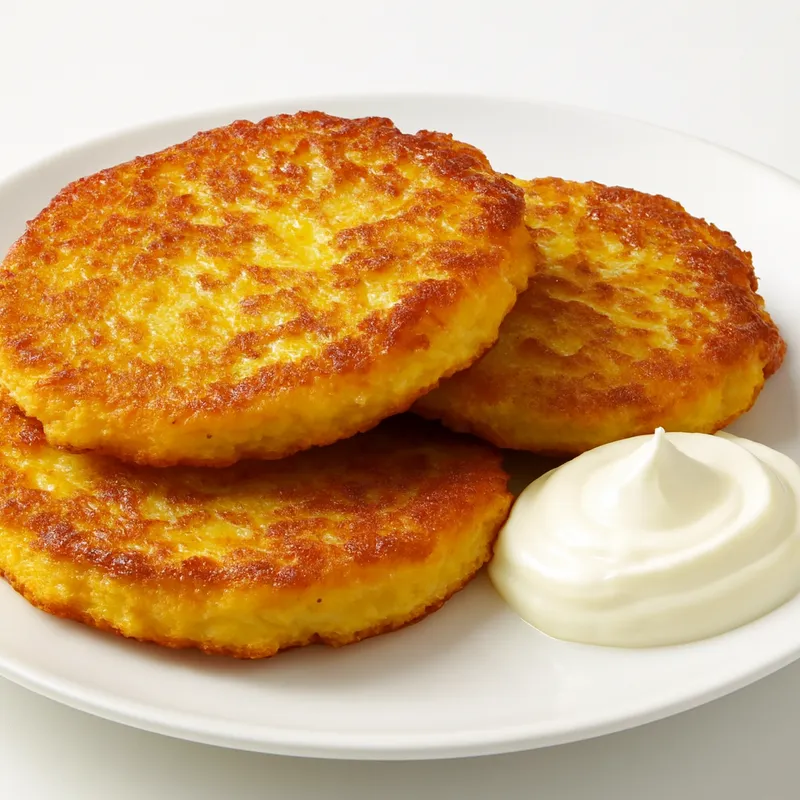
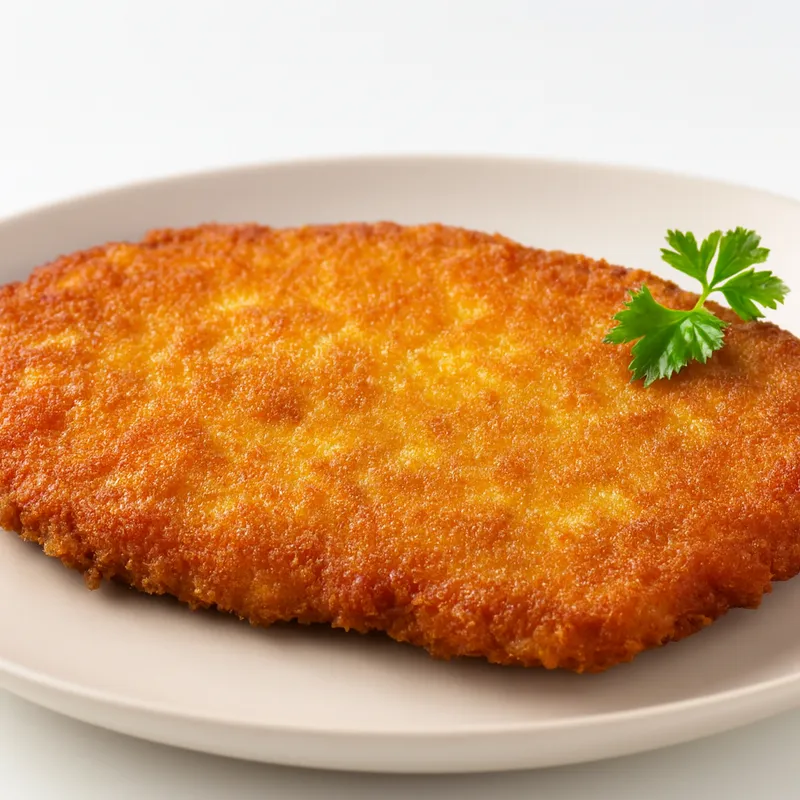
A pale, dense cassava round about the diameter of a side plate, soaked in coconut milk then pan-fried until the edges go gold and the inside stays damp and chewy. Eats like a cross between a thick tortilla and a savory rice cake. Usually paired with fried fish — bammy soaks the pan drippings. Stale or unsoaked, it's a hockey puck.
The press is the whole technology. Grated bitter cassava is wrung in a long woven sleeve (the cassava press, or matapí) under heavy weight to expel the cyanide-laden liquid; what's left is dry, safe pulp. Modern bammy uses sweet cassava and skips the toxin step, but keeps the press for texture — under-pressed pulp produces a wet, gummy round.
Variations
Old Harbour Bay bammy (south coast) is denser and pairs with fried sprat; Treasure Beach version is thinner and griddles crisper; Belizean cassava bread descends from the same Arawak press technique.
On the Palate
Where Bammy sits in the Jamaican flavor cloud
Press the grated cassava until it's dry but still faintly moist — an under-pressed pulp bakes into a wet, gummy round instead of a firm, sliceable flatbread.
Ingredients
How it's made
4 steps · 21 min
- 110 min
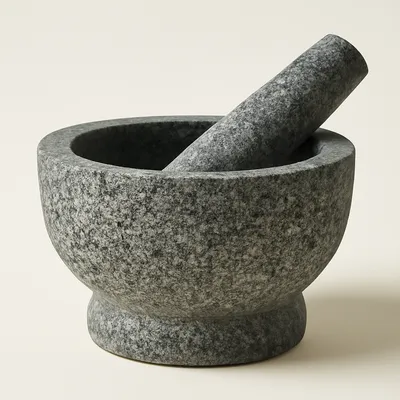
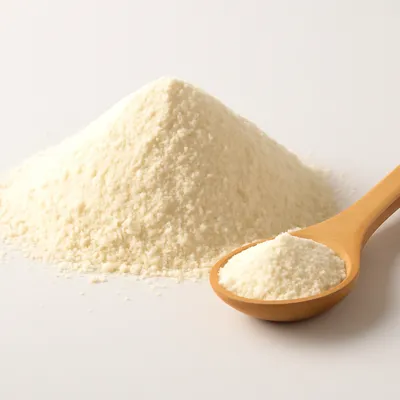
Grate the cassava and place it in a press bag. Press the bag under heavy weights until the cassava is drained but still slightly moist. Beat the cassava in a mortar until smooth and sieve it to a fine flour texture. Add salt to taste.
Watch outSqueeze a handful of the pressed pulp — it should clump and hold its shape without water beading out between your fingers.
- 23 min
Heat a flat iron griddle or a Dutch pot over medium heat. Spread a handful of cassava flour evenly in a baking ring on the surface. Pat the top with a flat board to even out the thickness.
- 33 min
Bake the bammy for about 3 minutes until the edges lift slightly. Flip it over and bake the other side until firm and lightly golden.
Watch outFlip only once the edges lift on their own and the underside is set — moving it too early tears the soft round apart.
- 45 min
Cut the bammy into wedges. Soak the wedges in coconut milk for added flavor, then fry them in oil until golden brown.
Watch outFry until deep golden and the surface crisps; a pale bammy stays doughy and soaks up too much oil.
Archive tool suggestions — not reviewed
These legacy suggestions have not been evidence-reviewed and are not presented as required tools.