


Potato pancakes appeared across Central and Eastern Europe in the late 18th century after the potato spread through Poland (introduced via Saxony in the 1680s but only widely planted after the Seven Years' War). Polish, German, Jewish (latkes), and Belarusian (draniki) versions all share the same ancestor; the Polish kitchen claims the dish via 19th-century peasant cookbooks. Now the most-served pancake in Polish home and bar mleczny (milk bar) menus.
Hand-grate, never food-process — cell walls have to break unevenly so some shreds stay long for structure and some weep starch for binder. Drain the grated potato, let the starch settle in the liquid, pour off the water, and stir the wet starch back in. That recovered starch is what holds the cake together without flour.
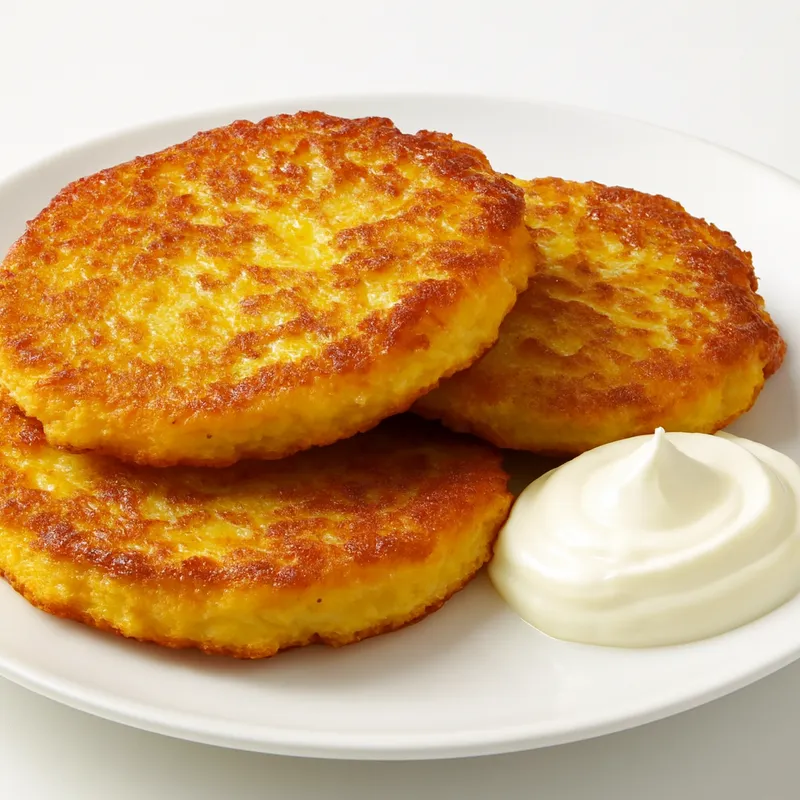
Hand-grated potato pancakes, pan-fried in a thin layer of oil until the edges go lace-thin and dark brown. Inside stays creamy; outside crackles. Eaten plain with sour cream and a dusting of sugar, or topped with goulash (placki po węgiersku). One pancake per person is a snack; four is dinner.
Hand-grate, never food-process: the cell walls have to break unevenly so some potato stays in long shreds (structure) and some weeps starch (binder). Drain the grated potato in a sieve and reserve the liquid — the starch sinks to the bottom; pour off the water and stir the wet starch back in. That recovered starch is what holds the pancake together without flour, which is the difference between Polish placki and the heavier German Reibekuchen.
Variations
Polish placki (sour cream and sugar, plain); placki po węgiersku (Hungarian-style, smothered in goulash); Belarusian draniki are thicker and served with mushroom sauce; Jewish latkes use matzo meal and serve with apple sauce on Hanukkah.
On the Palate
Where Placki Ziemniaczane sits in the Polish flavor cloud
Hand-grate the potatoes and rescue the starch: let the drained potato liquid settle, pour off the water, and stir the thick starch left at the bottom back in — that recovered starch is what binds the pancakes crisp without heavy flour.
Ingredients

How it's made
4 steps · 40 min
- 110 min
Grate the potatoes and onion into a large bowl. Squeeze out excess moisture using a clean kitchen towel until the mixture is fairly dry.
Watch outWring the grated potato and onion in a towel until it's genuinely dry and stops dripping — leftover water steams the pancake instead of crisping it.
- 25 min
Incorporate the flour and beaten egg into the potato mixture, stirring until a batter forms. Season generously with salt.
- 310 min
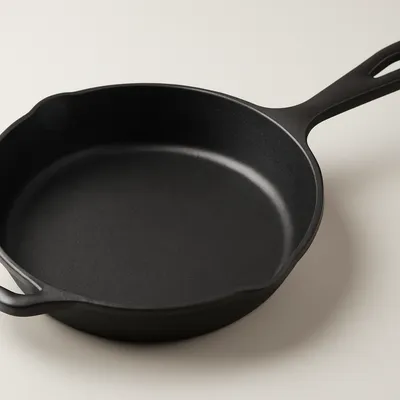
Heat a thin layer of oil in a skillet over medium-high heat until it shimmers. Drop spoonfuls of the batter into the pan, flattening them gently with the back of the spoon.
Watch outWait for the oil to shimmer before the batter goes in, and flatten each spoonful thin so it crisps through rather than staying doughy in the middle.
- 415 min
Fry the pancakes until golden brown and crisp on both sides, about 3 minutes per side. Remove and drain on paper towels to absorb excess oil.
Watch outFlip only once a deep golden crust has set and the edges lift easily — about three minutes a side; turning early tears it.
Archive tool suggestions — not reviewed
These legacy suggestions have not been evidence-reviewed and are not presented as required tools.