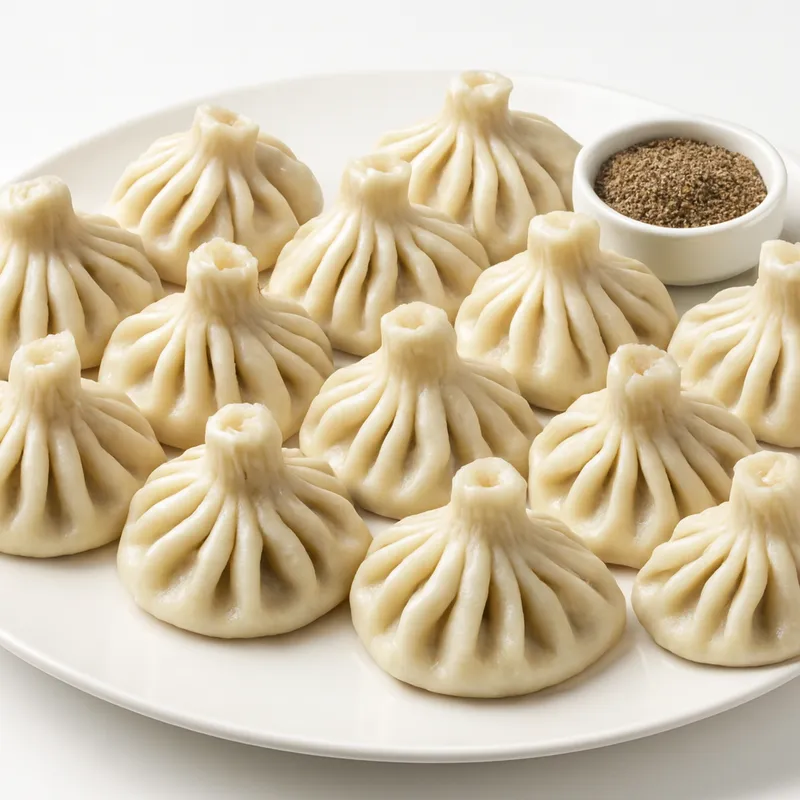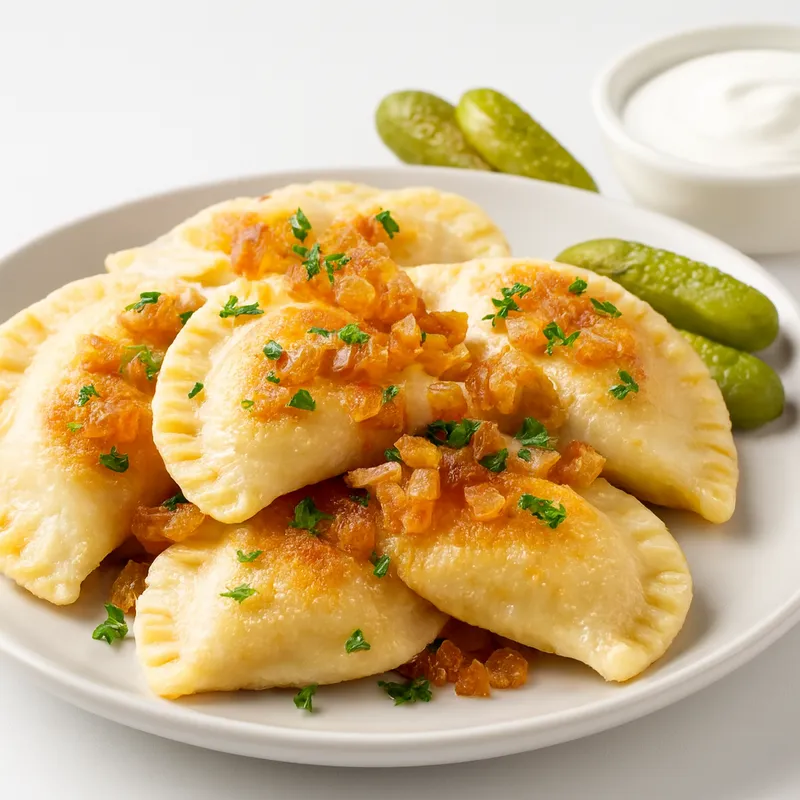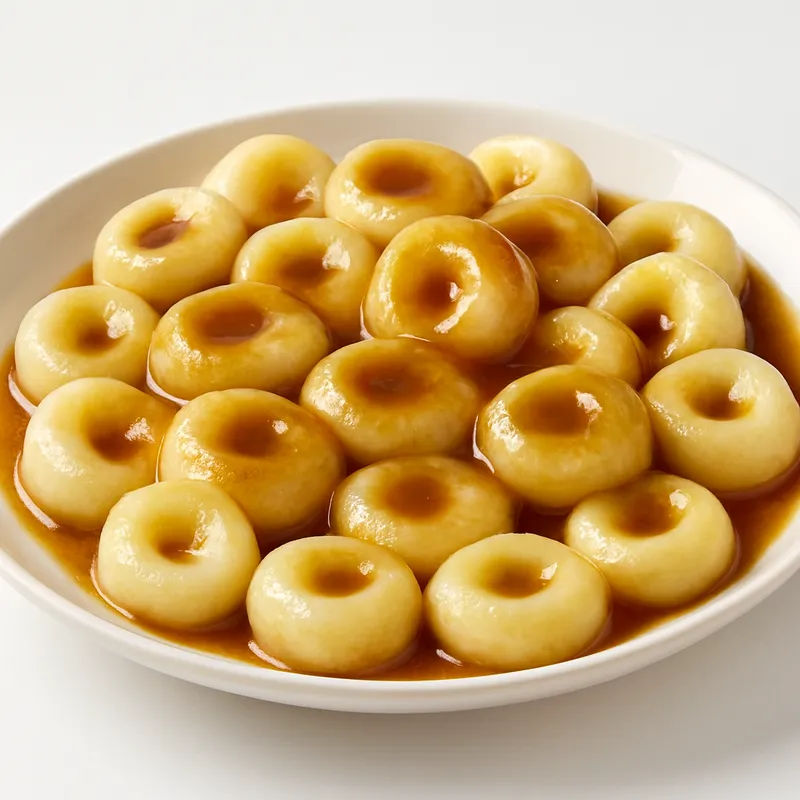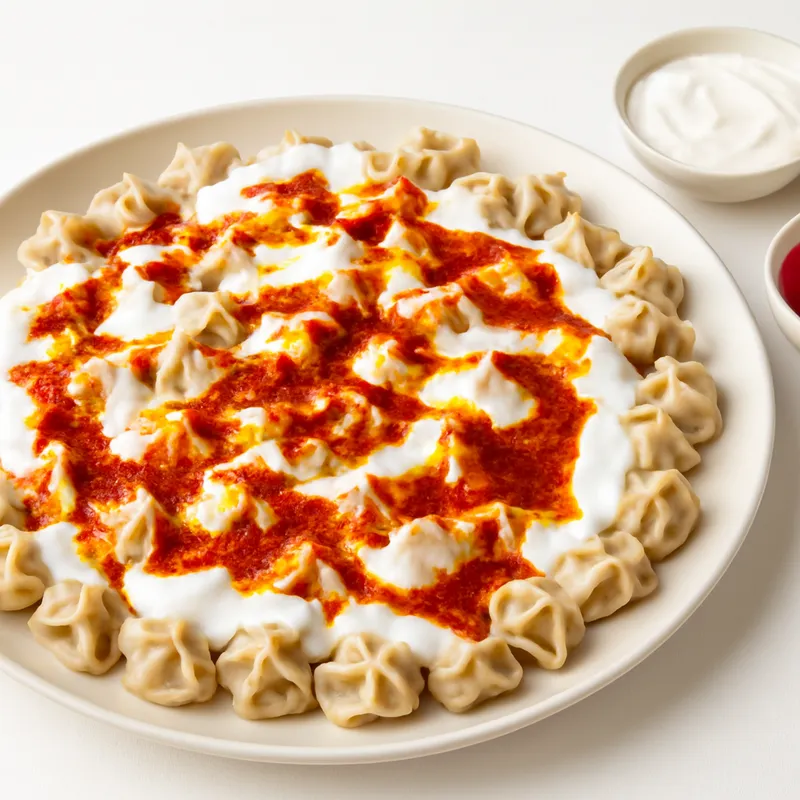


From the Ural and Siberian regions, brought into Russian cuisine by Komi and Mansi peoples no later than the 14th century — the name pelmeni comes from Komi-Permyak pel'nyan, meaning "ear bread" (the shape). Frozen outdoors in vast batches in winter and stored in sacks, they were the original convenience food for hunters and traders crossing Siberia. The shape and frozen-storage logic match Chinese jiaozi and Central Asian manti — a pan-Eurasian dumpling family.
The name comes from Komi-Permyak pel'nyan — "ear bread." Filling is raw, with about 15% added water by weight; the moisture turns to steam inside the wrapper and pressure-cooks the meat in seven minutes of boil.
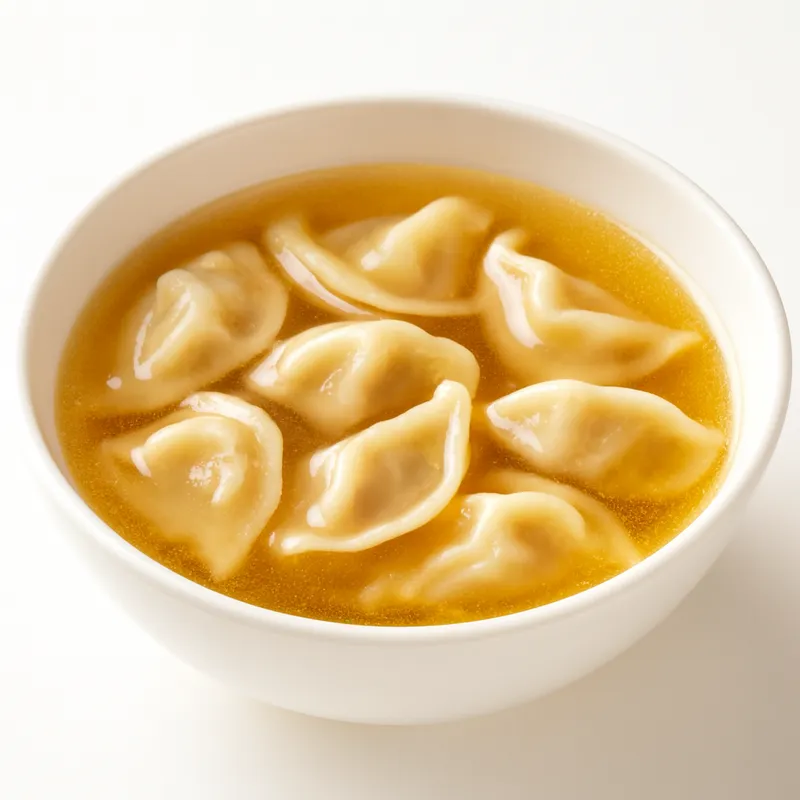
Small thumbnail-sized dumplings with a thin unleavened wrapper, filled with raw seasoned meat (traditionally a beef-pork-lamb mix), boiled in salted water for seven minutes. Served with sour cream, melted butter, black pepper, and white vinegar — diners mix their own condiment. Filling stays juicy because it cooks in its own steam inside the wrapper. Eaten by the dozen.
The filling is raw, not pre-cooked, and contains added water or broth (about 15% by weight) plus minced onion — the moisture turns to steam during boiling and pressurizes the wrapper, keeping the meat tender. Pre-cooking the meat, or skipping the water, gives a dry crumbly filling. Authentic Siberian recipes also freeze the dumplings before boiling: the slow thaw in hot water lets the wrapper cook without splitting.
Variations
Ural beef-pork-lamb mix is the canonical; Siberian pel'meni get frozen outdoors before boiling; Udmurt versions add bear or elk; Russian dushpera (a Caucasian crossover) shrinks them to fingernail size and floats them in broth.
On the Palate
Where Pelmeni sits in the Russian flavor cloud
Keep the filling raw and slightly wet — a splash of water or broth plus minced onion — so it steams inside the wrapper as it boils and the meat comes out juicy instead of dry and crumbly.
Ingredients




How it's made
5 steps · 45 min
- 110 min
In a large bowl, combine flour, egg, and water to form a smooth dough. Knead it until it becomes elastic and slightly tacky to the touch.
Watch outKnead until the dough is elastic and just slightly tacky — springy enough to roll paper-thin without tearing.
- 25 min
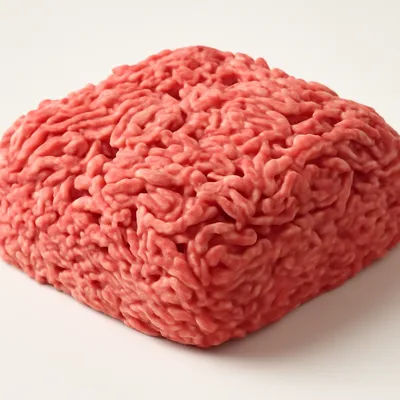
Mix ground beef, finely chopped onion, salt, and pepper to create a well-seasoned filling. The aroma of the onion should be prominent but not overpowering.
Watch outTaste the filling for seasoning before using; it should be well-balanced.
- 315 min
Roll out the dough thinly and cut into circles. Place a small spoonful of filling in the center of each circle, then fold and seal the edges tightly.
Watch outRoll the wrappers thin and don't overfill — a small spoonful; too much filling forces the seal open in the pot.
- 410 min
Bring a large pot of salted water to a boil. Drop the pelmeni into the water, ensuring they float freely. Cook until they rise to the surface and the dough turns translucent.
Watch outThey're done a minute or two after they bob to the surface and the dough turns translucent — pull them then, or the wrappers go slack.
- 55 min
Remove the pelmeni with a slotted spoon and serve hot, optionally with sour cream or butter.
Archive tool suggestions — not reviewed
These legacy suggestions have not been evidence-reviewed and are not presented as required tools.