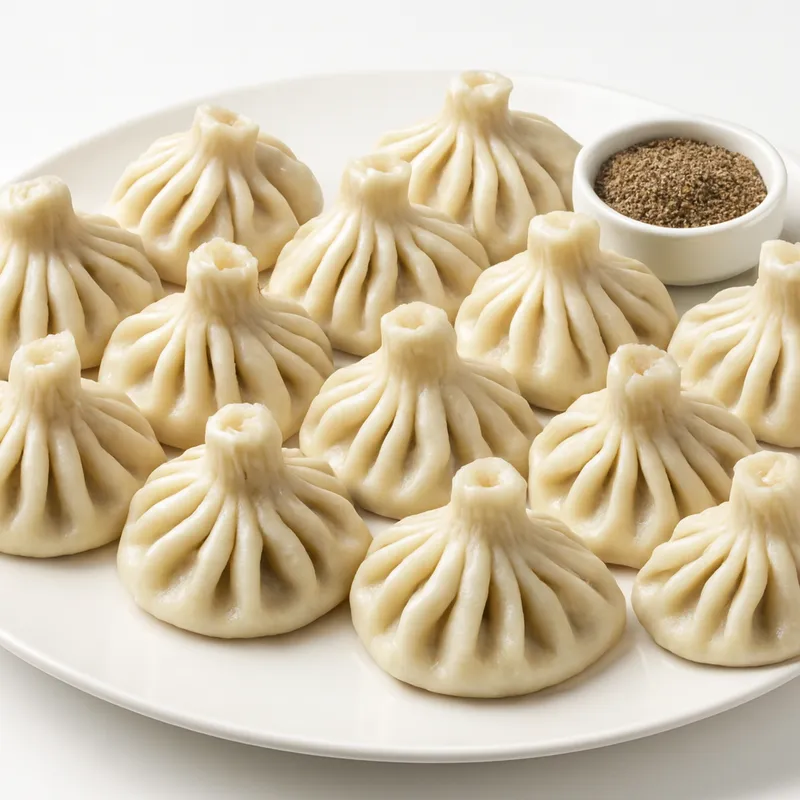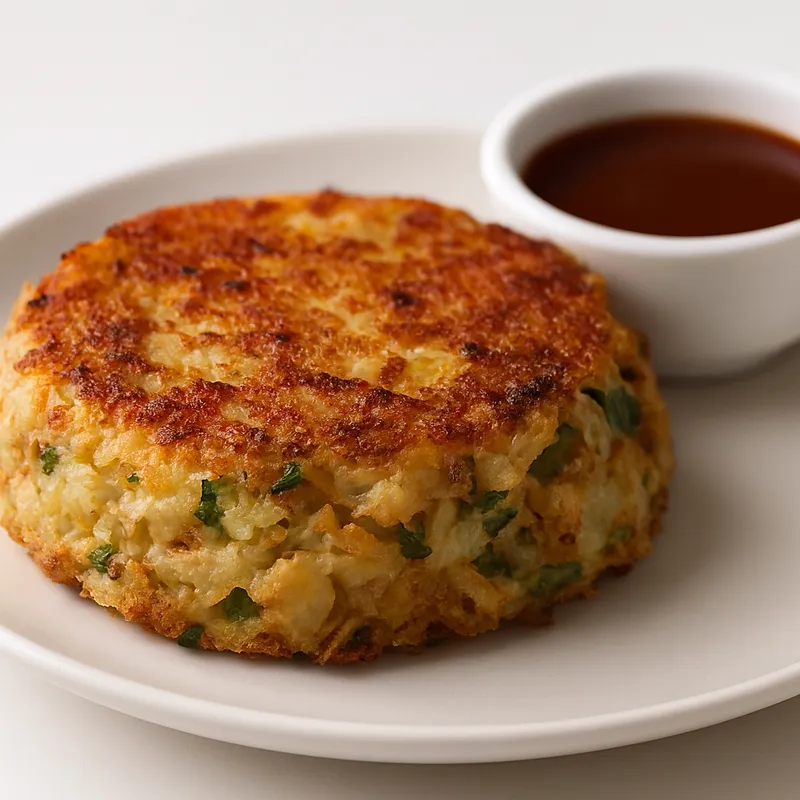
Kluski Śląskie are traditional Silesian potato dumplings, often served with gravy.




From Silesia (Śląsk), the southwestern Polish region with a heavy Germanic and Czech overlap, codified in regional cookbooks by the late 19th century. It was entered on Poland's national List of Traditional Products (Lista Produktów Tradycyjnych) on 19 January 2007, in both the Silesian and Opole Voivodeships. The Sunday rolada-kluski-modra kapusta combination is the Silesian regional meal — every grandmother's table on Sunday afternoon.
EU TSG since 2011. The proportion is the secret: cooked-and-riced potato to dry potato starch must be 4 parts to 1 by volume — Silesian cooks weigh the riced potato, divide into quarters, remove one, replace with starch. The dimple isn't decoration; it lets the gravy adhere and signals the ball is fully shaped.
Round, palm-sized potato dumplings with a thumbprint dimple in the middle — the dimple is the recognition mark. The dough is potato and potato starch only, no flour; texture is glassy, dense, slightly bouncy. Served as a starch side under roast meat with brown gravy pooling in the dimple, or with rolada (Silesian beef roulade) and red cabbage.
The proportion is the secret: cooked-and-riced potato to dry potato starch must be 4 parts to 1 by volume — too much starch and the dumpling turns gummy, too little and it falls apart in the boil. Silesian cooks weigh the riced potato, divide into quarters, remove one quarter, and replace it with starch. The dimple isn't decoration; it lets the gravy adhere and signals to the cook that the ball is fully shaped. No flour ever — flour is the German Kartoffelknödel.
Variations
Standard kluski śląskie (potato + starch, dimple); kluski leniwe ("lazy" cheese dumplings with twaróg); kopytka are diamond-cut and use flour; German Kartoffelknödel is the cousin across the border that uses flour and is denser; the rolada-kluski-modra kapusta Sunday plate is the regional ritual.
On the Palate
Where Kluski Śląskie sits in the Polish flavor cloud
Get the ratio right — four parts riced cooked potato to one part dry potato starch by volume; too much and the dumpling turns gummy, too little and it falls apart in the boil.
Ingredients
How it's made
4 steps · 44 min
- 120 min
Peel and boil potatoes in a large pot of salted water until fork-tender, about 20 minutes. Drain and allow to cool slightly.
Watch outEnsure the water is adequately salted for flavor.
- 210 min
Mash the potatoes until smooth, ensuring no lumps remain. Incorporate flour and a pinch of salt, kneading until a smooth dough forms.
Watch outKnead just until the dough comes together smooth — over-working makes it tough and gluey.
- 310 min
Divide the dough into small portions and roll each into a ball. Press a small indentation into the center of each dumpling with your thumb.
Watch outThe thumb dent should be a shallow well, not a hole punched through — it cups the gravy without breaking the ball.
- 44 min
Bring a pot of salted water to a gentle boil. Drop the dumplings in and cook until they float to the surface, about 3-4 minutes.
Watch outKeep the water at a gentle boil and lift the dumplings out a moment after they bob to the surface — a rolling boil knocks them apart.
Archive tool suggestions — not reviewed
These legacy suggestions have not been evidence-reviewed and are not presented as required tools.