
In Practice
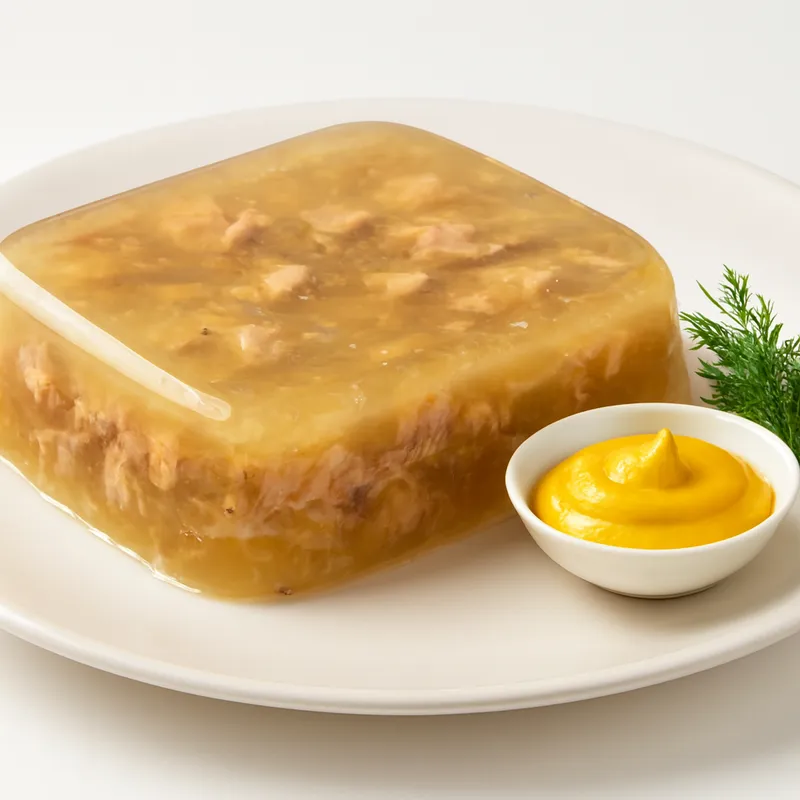
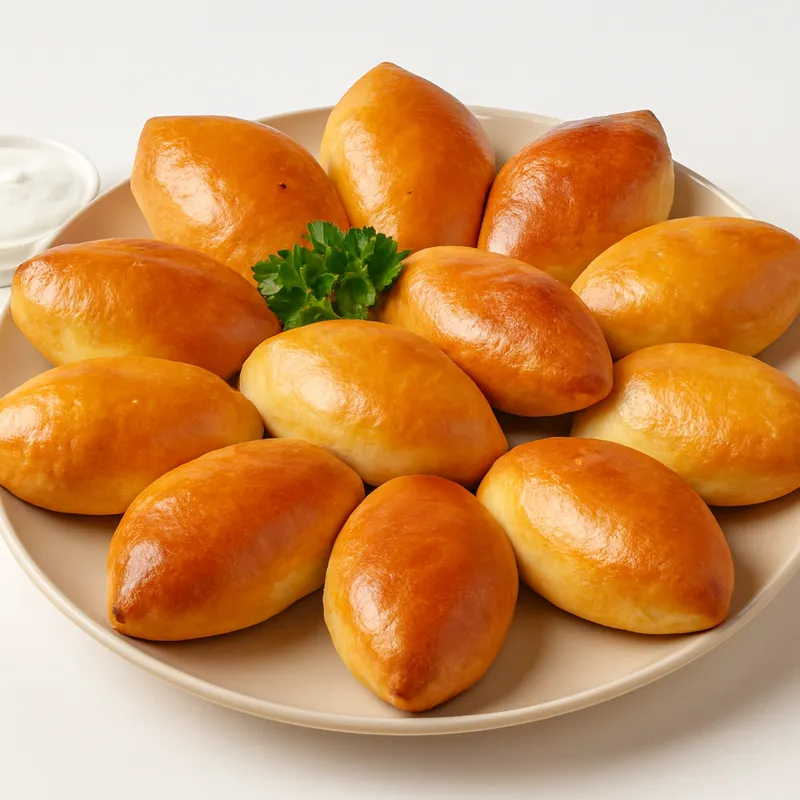
Standard spread: selyodka pod shuboi (herring in 4-layer beet-potato coat), salo (cured pork fat 6 mm slice on rye), pickled cucumbers from oak barrels (7-day lacto-fermented, not vinegar-pickled), mushroom marinade with bay+allspice, blini with caviar at 200 RUR/g top end. Plates 12-15 cm. Vodka in 50 ml frozen graneny glass. Failure mode: serving room-temperature vodka — without the -10°C viscous mouthfeel the architecture fails; warm vodka tastes of fusel oil.
Background
The tradition of Zakuski can be traced back to the 18th century in the opulent Tsarist Russia, where noble households would lay out lavish spreads to welcome guests. The cold and harsh Russian winters necessitated hearty, warming dishes, and so the practice of serving small, energizing bites before the main meal became popular. These spreads were designed to stimulate the appetite, offering a variety of flavors and textures that were a prelude to the main course.
As Russia opened its doors to the West during the late 19th and early 20th centuries, Zakuski evolved, incorporating influences from European culinary traditions. French, German, and Scandinavian touches mingled with native Russian ingredients, leading to a rich tapestry of flavors. While the essence remained the same, regional variations emerged, with some areas emphasizing pickled vegetables, while others focused on smoked fish or cured meats.
How It Works
A Russian pre-prandial architecture of cold salt-and-acid bites designed to *line the stomach for vodka* — fat (sturgeon caviar on blini with smetana), salt (sledz, pickled herring), acid (gribi, marinated mushrooms), and starch (rye, black bread) absorb and slow ethanol uptake. Each shot of vodka (40% ABV, served at -10°C) is chased by a zakuska, never sipped alone.



Through Time
18th-century Tsarist court (Catherine the Great's table) institutionalized the format borrowed from Swedish smörgåsbord via Peter I's Westernization. Elena Molokhovets's 1861 *A Gift to Young Housewives* (Подарок молодым хозяйкам) codified the bourgeois zakuski canon — 200+ recipes across the cold-plate spread. William Pokhlebkin's 1979 *History of Vodka* documented the drinking architecture.
Related cooking knowledge
Mezze and banchan are the structural cousins — simultaneous cold-spread architectures, differing in beverage axis (arak vs tea-anchored rice vs vodka). Curing and pickling supply most of the canon (salo, sledz, gribi, ogurtsi). Smoking handles the sturgeon and sausage end of the table.