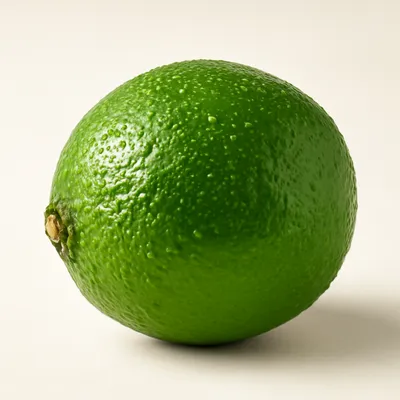
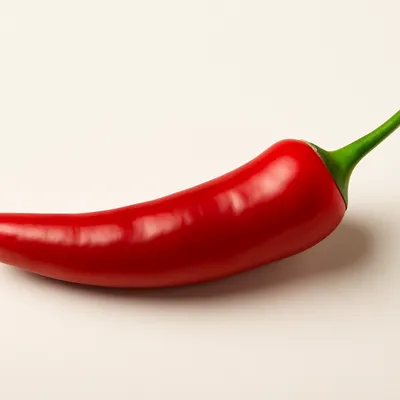
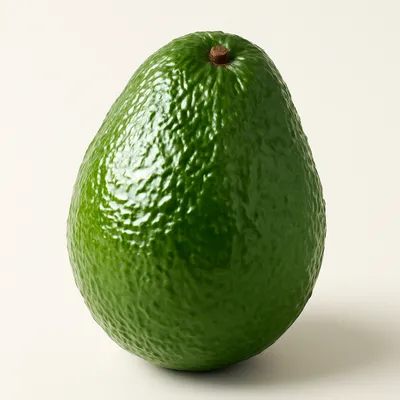
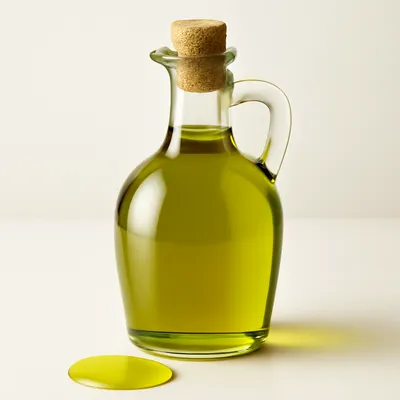
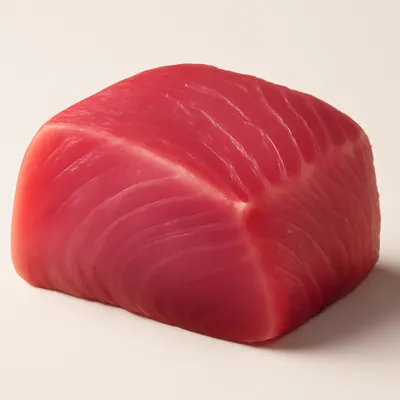
Pre-Columbian Andean potato dishes were eaten cold and seasoned with chili — the foundation existed long before the Spanish. Lime itself was a colonial addition — citrus reached Peru from Asia via the Spanish Viceroyalty and was married to the native chili-potato base. Modern causa took shape in 19th-century Lima; popular legend ties it to the War of the Pacific (1879–1884), when women sold the dish to raise funds for soldiers, calling it for la causa (for the cause). The story is unverified but the dish dates to that era.
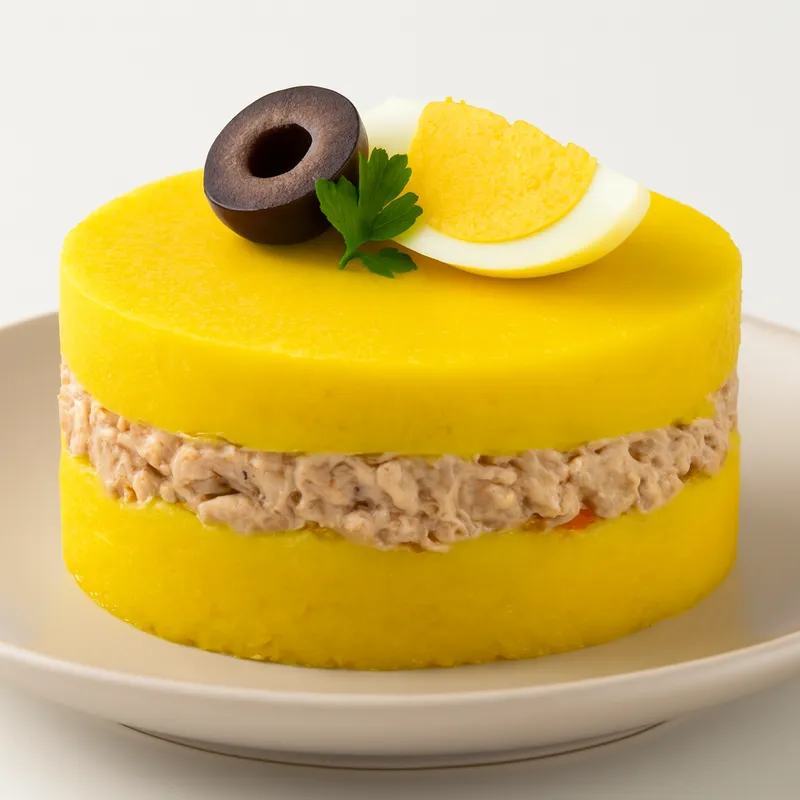
Cold layered terrine of papa amarilla whipped with lime and aji amarillo. Legend ties it to the 1879-1884 War of the Pacific — women selling slices 'por la causa' to fund soldiers. Story unverified, era confirmed.
A chilled molded terrine: bottom and top layers of bright yellow mashed potato whipped with lime juice, aji amarillo paste, and oil; a middle layer of avocado, mayo-bound tuna, or shredded chicken. Served cold from the fridge, sliced into wedges. The potato should hold a clean cut without crumbling — under-mashed and it falls apart on the fork.
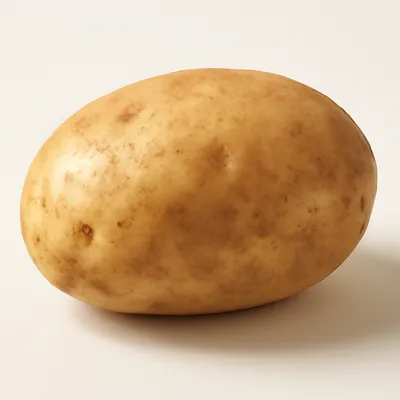
The potato variety matters: papa amarilla (yellow potato, native to Peru) has the dense, buttery starch needed to hold a layered mold. Russets or Yukon Gold go too watery. The mash is finished with cold oil rather than butter so it firms up in the fridge instead of greasing. Lime juice does double duty — flavor and structure, since acid tightens potato starch.
Variations
Causa limeña (the Lima standard, tuna or chicken middle); causa norteña from Trujillo (heavier on aji and seafood, often crab); causa rellena (single-layer roll); a la chiclayana with shrimp.
On the Palate
Where Causa sits in the Peruvian flavor cloud
Use a dense, starchy yellow potato and finish the mash with lime and cold oil, not butter — the acid tightens the starch and the oil firms in the fridge so the layers hold instead of slumping.
Ingredients


How it's made
5 steps · 40 min active + 30 min waiting
- 115 min
Boil potatoes in salted water until tender, about 15 minutes. Drain and peel while still warm, then mash until smooth and lump-free.
Watch outBoil until a knife slides in with no resistance, then peel while warm and mash smooth before it cools and turns gluey.
- 25 min
Mix the mashed potatoes with lime juice, olive oil, and finely chopped chili pepper until well combined. The mixture should be smooth and fragrant, with a hint of citrus and heat.
Watch outWork in lime, oil and chili until the mash is smooth, glossy and bright — taste and it should be lively with citrus and gentle heat.
- 35 min
In a separate bowl, mash the avocado with a pinch of salt and a squeeze of lime juice until creamy. Set aside.
Watch outUse ripe avocados for a smoother texture; unripe avocados will be difficult to mash.
- 410 min
Layer the potato mixture, mashed avocado, and tuna in a mold or dish. Press gently to form distinct layers, ensuring each layer is even.
Watch outPress each layer level and firm so the stack is even; gaps or loose packing make it slump when unmolded.
- 55 min
Chill the causa for at least 30 minutes before serving, allowing the flavors to meld. Serve cold, garnished with sliced avocado or a sprinkle of chili pepper for color.
Watch outChill until fully set and cold to the touch, at least 30 minutes, so it slices into clean layers.
Archive tool suggestions — not reviewed
These legacy suggestions have not been evidence-reviewed and are not presented as required tools.