Arroz con leche is Peru's everyday rice pudding — short rice simmered slowly in milk perfumed with cinnamon and clove, sweetened and enriched until creamy, then served warm or chilled under a dusting of ground cinnamon. Comforting and faintly citrus-scented from a strip of orange or lime peel, it is a fixture of home kitchens and dessert counters alike. Most famously it is paired half-and-half in one bowl with deep-purple mazamorra morada, the white-and-violet duo Limeños call a 'combinado.'




Arroz con leche reached the Americas with the Spanish, who in turn inherited rice pudding from centuries of Moorish cooking on the Iberian peninsula; rice, milk, sugar, cinnamon and citrus peel are the shared backbone of the dish across the former Spanish empire. In Peru it became a national everyday sweet rather than a regional specialty, sold from the same carts and counters as picarones and mazamorra. Its signature local turn is the 'combinado': a single bowl filled half with white arroz con leche and half with purple mazamorra morada, the contrast of the two desserts as much visual as it is a matter of taste. The pairing is especially associated with Lima's October 'Mes Morado,' when purple-robed processions for El Señor de los Milagros fill the streets and street vendors do brisk trade in both puddings.
Pale and creamy in the bowl, the surface freckled reddish-brown with cinnamon. The rice grains stay soft but distinct, suspended in a thick, glossy milk that has reduced almost to caramel sweetness. Each spoonful is gently sweet and deeply milky, warmed through with cinnamon and clove and lifted by a faint bitter-fresh note of orange or lime peel. Warm, it is pure comfort; chilled, it sets a little firmer and tastes cleaner. Eaten as a combinado, the creamy white plays against the tart-fruity purple of the mazamorra in alternating spoonfuls.
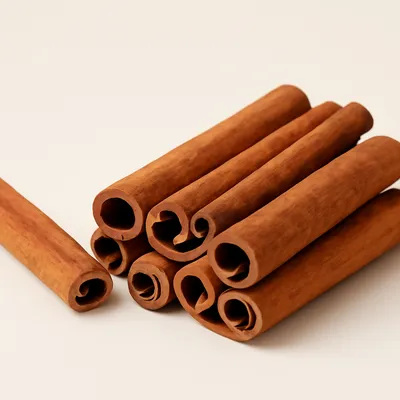
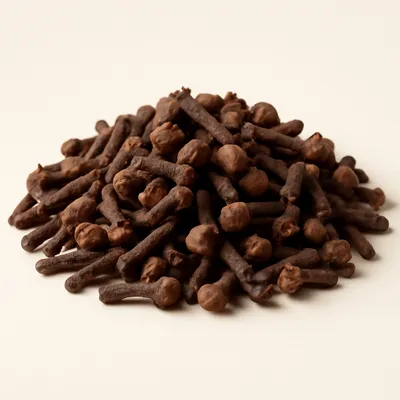
The texture comes from slow simmering: short or medium rice is cooked gently in milk so the grains release starch into the liquid, thickening it to a creamy body without flour or eggs. Whole cinnamon and clove steeped in the milk perfume the base, while a strip of citrus peel adds aromatic oils and a faint bitterness that cuts the sweetness. Sugar is added toward the end, since adding it early slows the rice from softening; many cooks finish with evaporated or condensed milk for extra richness. As the pudding cools, the gelatinized starch firms up, which is why chilled arroz con leche sets denser than the loose, just-cooked warm version.
Variations
The everyday Peruvian version is milk-and-rice perfumed with cinnamon and clove, finished with ground cinnamon; many cooks enrich it with evaporated and condensed milk or a couple of egg yolks. Some add raisins, others a splash of pisco or vanilla. Its most distinctive form is the combinado, served half-and-half with mazamorra morada. Closely related is arroz zambito, the darker cousin made with chancaca raw-cane sugar and studded with nuts and raisins.
On the Palate
Where Arroz con Leche sits in the Peruvian flavor cloud
Ingredients
Serves 6How it's made
6 steps · 30 min active + 30 min waiting
- 110 min
Rinse the rice and parboil it briefly in water with a strip of citrus peel until partly tender.
- 25 min
Add milk along with cinnamon sticks and a few cloves, and simmer gently over low heat.
- 320 min
Stir often as the rice softens and the milk thickens to a creamy consistency.
Watch outStir often as the rice softens and the milk thickens to a creamy body — the grains must give up their starch, and stirring stops it catching on the bottom.
- 412 min
Stir in sugar and, if using, evaporated and condensed milk, and continue cooking until glossy.
Watch outAdd the sugar toward the end, not early — sugar added too soon slows the rice from softening.
- 52 min
Remove the whole spices and citrus peel and adjust the sweetness.
- 62 min
Spoon into bowls, dust with ground cinnamon, and serve warm or chilled.
Archive tool suggestions — not reviewed
These legacy suggestions have not been evidence-reviewed and are not presented as required tools.


