Arroz zambito is the darker cousin of Peru's arroz con leche — the same milk-simmered rice pudding, but sweetened with chancaca, the unrefined raw-cane sugar that turns it amber-brown and gives it a deep molasses warmth. It is studded with raisins and chopped nuts, perfumed with cinnamon and clove, and dusted with cinnamon to serve. Richer and more rustic than its pale sibling, it is eaten warm or cold and counts among Lima's traditional criollo sweets.


Arroz zambito shares its roots with arroz con leche — both descend from the rice-milk puddings the Spanish carried to the Americas, themselves heirs to Moorish Iberian cooking — but its defining ingredient is chancaca, the dark unrefined cane sugar of colonial Peru's sugar estates. The name is generally read as a reference to its dark color, from 'zambo,' a colonial-era term for dark or mixed complexion, in the same descriptive vein as other criollo dessert names. Like much of Lima's traditional sweet repertoire, it is a folk preparation without a single documented inventor, passed down through home kitchens and the dessert vendors of the capital. It sits alongside arroz con leche, picarones and mazamorra morada in the criollo dessert canon.
Amber-brown and glossy in the bowl, darker and deeper-toned than ordinary rice pudding, with plump raisins and nut pieces scattered through and a dusting of cinnamon on top. The first spoonful is warm and rounded — the chancaca brings a molasses-and-toffee depth quite distinct from the clean sweetness of white sugar, layered over creamy milk and soft rice. Cinnamon and clove run warm beneath, the raisins add bursts of fruity sweetness, and the nuts a faint crunch. It is noticeably richer and more caramel-forward than arroz con leche.
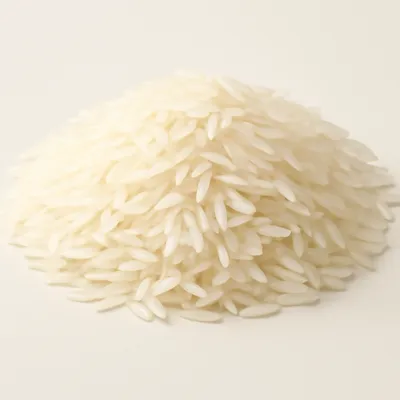
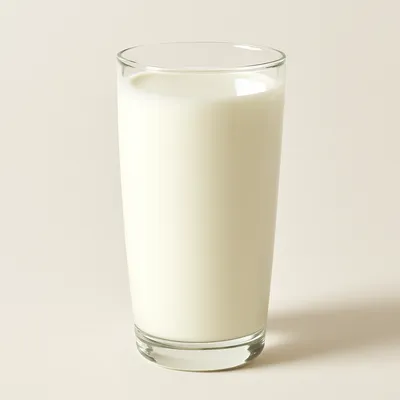
As in arroz con leche, the body comes from rice cooked slowly in milk until its starch thickens the liquid to a creamy pudding. The difference is the sweetener: chancaca is melted down into a syrup before going in, and because it is unrefined it carries molasses compounds that white sugar lacks, deepening both color and flavor and adding faintly bitter, toasty notes. Raisins are added partway so they plump in the warm pudding, and nuts toward the end to keep some crunch. Cooked gently and stirred often, the pudding sets denser as it cools, the same starch-gelation effect as its paler cousin.
Variations
The traditional version is rice and milk sweetened with chancaca and studded with raisins and nuts — walnuts or pecans are common — and finished with cinnamon. Some cooks add a strip of orange or lime peel, others a splash of pisco; coconut sometimes appears in northern versions. It is closely tied to arroz con leche, and the two are sometimes served together; where arroz con leche pairs with mazamorra morada in a combinado, zambito stands as the richer, molasses-sweet alternative.
On the Palate
Where Arroz Zambito sits in the Peruvian flavor cloud
Ingredients
Serves 6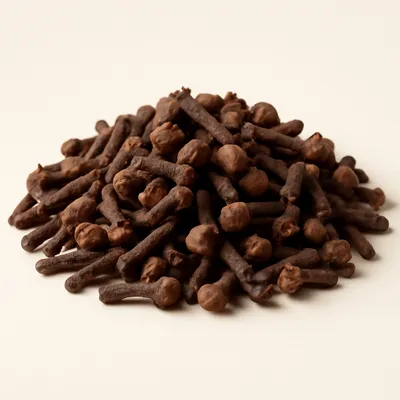
How it's made
6 steps · 35 min active + 30 min waiting
- 16 min
Melt the chancaca with a little water into a smooth dark syrup and set aside.
Watch outMelt the chancaca into a smooth dark syrup first — being unrefined it carries molasses notes white sugar lacks, deepening both the color and the toasty edge.
- 210 min
Rinse the rice and parboil it briefly in water until partly tender.
- 320 min
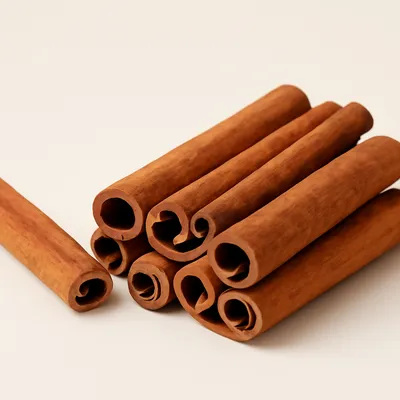
Add milk, cinnamon sticks and cloves, and simmer gently, stirring, until the rice softens.
- 412 min
Stir in the chancaca syrup and continue cooking until thick and glossy.
Watch outSimmer the rice in milk, stirring, until it turns thick and glossy — the starch releasing is what thickens it to a creamy pudding; it sets denser as it cools.
- 58 min
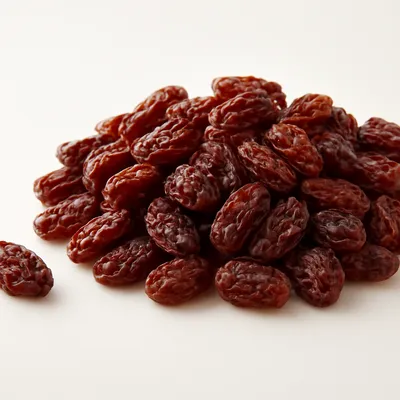
Add the raisins to plump, then the chopped nuts near the end.
- 63 min
Remove the whole spices, spoon into bowls, and dust with cinnamon to serve.
Archive tool suggestions — not reviewed
These legacy suggestions have not been evidence-reviewed and are not presented as required tools.
