Patasca is a long-simmered highland soup of mote — hominy maize cooked until the kernels burst open — and meat, classically beef with tripe, sometimes lamb or pork. It is cooked for hours until the corn splits and the offal turns tender, then finished with mint and other Andean herbs. Thick, warming and deeply savory, it is eaten hot in the mornings across the Peruvian and Bolivian highlands, and is famous as a restorative — one of Peru's traditional levanta-muertos, the dishes said to revive the worn-out and the hungover.
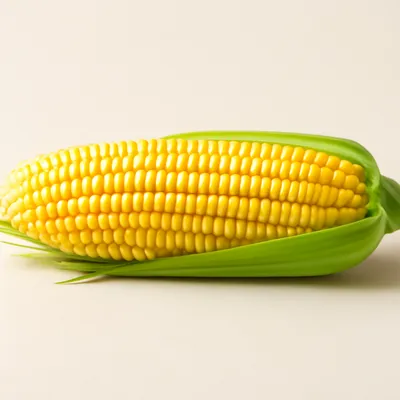




Patasca takes its name from the Quechua phatasqa, meaning burst, open or split — a reference to the maize kernels that swell and split during the long cook. The dish is pre-Hispanic: the Jesuit Bernabé Cobo, in his Historia del Nuevo Mundo (completed 1653, first published 1890), describes an Andean dish of maize cooked until it bursts that he calls motepatasca, from muti (cooked corn) and phatasqa (burst). It is shared across the Andes of Peru, Bolivia and northwest Argentina. In Peru it is typically beef and tripe with mote; in Bolivia it is often made with pork, including the whole head.
A bowl of patasca is hearty and a little rustic: pale burst kernels of mote, soft and chewy, float in a cloudy broth thick with body. Chunks of beef and pieces of tripe — tender after hours of cooking, with the gentle give that long-simmered offal takes on — give it weight. Mint cuts through the richness with a cool green lift, and a spoon of ají paste adds heat. It tastes of slow time and warmth, the kind of soup made to be eaten at dawn against the highland cold.
The whole dish turns on a long, slow simmer doing two things at once. Mote — maize cooked, often with lime or ash, until the kernels swell and the skin splits — needs hours of gentle heat to soften fully and burst open, which is the texture the dish is named for. Over the same hours the tough connective tissue of the tripe and beef breaks down: collagen slowly hydrolyzes into gelatin, tenderizing the meat and giving the broth its thick, slightly silky body. Mint and herbs go in late, since their volatile oils fade with prolonged heat.
Variations
Meat and offal vary by place and household: beef with tripe is the Peruvian standard, but lamb, pork or a mix all appear, and pre-Hispanic versions used alpaca or cuy. In Bolivia, patasca often centers on pork and the pork head, with patasca cruceña of Santa Cruz framed as a lowland kin of La Paz's fricasé. The mote is the one constant. Herbs shift toward mint in the south and toward Andean greens like muña elsewhere, and the dish is widely eaten the morning after festivals.
On the Palate
Where Patasca sits in the Peruvian flavor cloud
Ingredients
Serves 8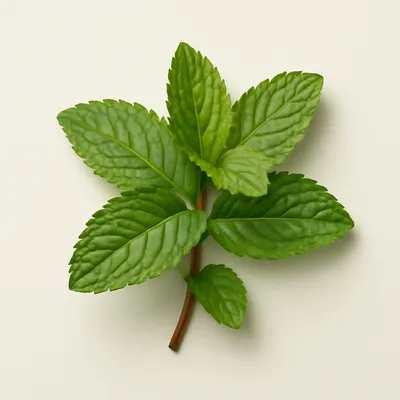

How it's made
8 steps · 40 min active + 3 hours 20 min waiting
- 110 min
Soak dried mote maize overnight, then drain.
- 2120 min
Cover the mote with plenty of water and bring to a simmer; cook gently for a couple of hours until the kernels begin to swell.
- 315 min
Add beef and cleaned tripe cut into pieces, along with onion and garlic, and continue simmering.
- 4140 min
Cook low and slow for another two hours or more, skimming, until the mote has burst and the tripe and beef are fork-tender.
Watch outSimmer low and slow until the mote actually bursts open and the meat is fork-tender — the burst kernel is the texture the dish is named for, and it takes hours.
- 55 min
Stir in ají paste and season the broth well with salt.
- 620 min
Add diced potato and simmer until soft.
- 73 min
Just before serving, stir through plenty of chopped mint.
Watch outStir the chopped mint in just before serving — its aroma fades fast under prolonged heat, so keep it for the very end.
- 85 min
Ladle into bowls steaming hot, with extra ají on the side.
Archive tool suggestions — not reviewed
These legacy suggestions have not been evidence-reviewed and are not presented as required tools.