Caldo de cabeza is a highland Peruvian broth simmered from a sheep's head with mote and potato. The head is cooked low and long until its meat falls away and the broth turns rich and gelatinous, then finished with herbs. Thin in fat but deep in flavor, it is a market soup of the sierra, ladled out very early in the morning. It is famous as a restorative — one of the levanta-muertos, the dishes credited with reviving the worn-out and the hungover before a day's work.





In Quechua, uma means head, and in the central highlands around Junín the soup is known by names like uman caldo (head broth) — though this is a regional name and spelling, not the universal one; most of Peru simply calls it caldo de cabeza. The dish has no documented birthplace or date; it is an old, widespread sierra tradition rather than an invention with an author. Its heartland runs across the highlands — Áncash, Cusco, Puno, Junín, Ayacucho and Cajamarca — where the sheep's head, a cheap and gelatin-rich cut, is turned into a nourishing broth.
The broth is clear-to-cloudy and deeply savory, light on grease but full-bodied, with a faint stickiness on the lips from the gelatin the head gives up. Soft pieces of head meat, chewy kernels of mote and tender potato fill the bowl. A scatter of mint or cilantro lifts it, and a spoon of ají paste turns up the heat. Eaten scalding at dawn against the cold and the morning after, it is plain, warming and quietly restorative.
The whole point is a long, gentle simmer drawing body from the head. A sheep's head is dense in skin, cartilage and the connective tissue of the jaw and ears — exactly the parts richest in collagen, which slowly hydrolyzes into gelatin over hours of low heat, giving the broth its silky weight and the lips their faint stick. Marrow and the soft head fat add richness. Because the head gelatinizes faster than heavy beef bones, it does not need an all-day boil; herbs go in near the end so their aroma survives.
Variations
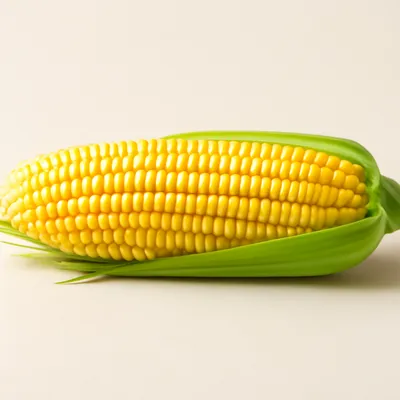
The base is sheep — carnero (mature mutton) and cordero (lamb) are used somewhat interchangeably, the highland tradition leaning to mature sheep. The herb finish splits by region: mint, sometimes with paico, runs southern toward Cusco and Puno, while cilantro and parsley run through the center and north. Chuño appears in the altiplano versions, and offal is sometimes added. Mote is the highland constant; rice in its place marks a coastal adaptation rather than the sierra original.
On the Palate
Where Caldo de Cabeza sits in the Peruvian flavor cloud
Ingredients
Serves 6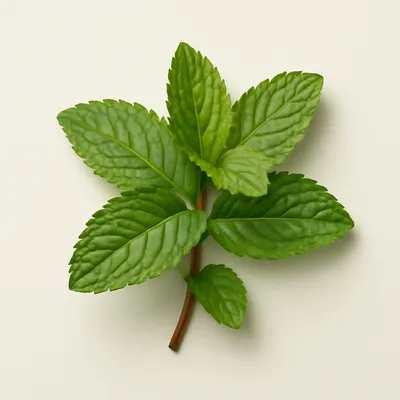

How it's made
8 steps · 30 min active + 2 hours 30 min waiting
- 115 min
Have the butcher split the sheep's head; rinse it well and blanch briefly to clean, then discard the water.
- 215 min
Cover the head with fresh water, bring to a simmer, and skim off the foam that rises.
Watch outBring to a gentle simmer and skim off the rising foam — steady low heat draws the collagen out into a silky, clear broth; a hard boil clouds it.
- 3120 min
Add onion, garlic and ají paste, and simmer gently for a couple of hours until the head meat is tender and the broth is rich.
Watch outSimmer gently a couple of hours until the head meat is fork-tender and the broth turns rich — the head gelatinizes faster than beef bones, so it doesn't need all day.
- 415 min
Lift out the head, pull off the meat in pieces, and return the meat to the pot; discard the bones.
- 530 min
Add soaked mote and simmer until the kernels are soft.
- 620 min
Add diced potato and cook until tender; season the broth well with salt.
- 73 min
Stir in chopped mint or cilantro just before serving.
- 85 min
Ladle out piping hot, with ají on the side.
Archive tool suggestions — not reviewed
These legacy suggestions have not been evidence-reviewed and are not presented as required tools.



