
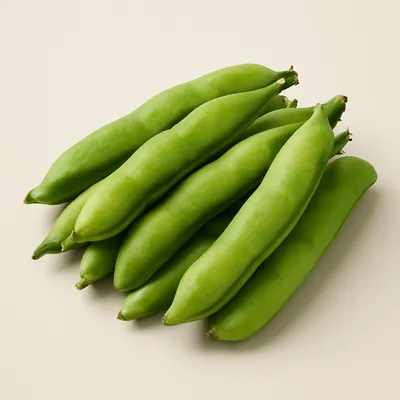
A clear vegetable-and-pork soup from the southern highlands of the State of México, built on the summer milpa harvest: fresh fava beans, corn cut from the cob, tender squash and the local chilacayote, simmered with pork ribs and a few whole manzano chiles for heat. It is a seasonal dish, made from roughly June to November when the vegetables are in, and tied to the village fiestas of Coatepec Harinas and its neighbors. Light and brothy rather than heavy, it is finished at the table with lime, oregano and salt bread, or a slice of avocado and a little grated cheese.





Pepeto is the signature soup of Coatepec Harinas, a temperate farming municipality in the southern part of the State of México, and is shared by the neighboring towns of Villa Guerrero, Tenancingo, Tonatico and Ixtapan de la Sal. Its exact origin is not documented — it is country food, made from whatever the milpa yields in the rainy-season months — but the municipality moved to claim it as a local emblem in 2012, and it is cooked for the patriotic September holidays and for the feast of the Assumption of the Virgin in August. The dish belongs to the cold-highland milpa tradition, where corn, beans and squash are grown together and eaten together; pork is the everyday meat that turns a pot of vegetables into a full meal.
A bowl of clear, golden broth crowded with vegetables — pale green fava beans, sweet corn kernels, soft cubes of squash and chilacayote, with pork ribs falling off the bone. The manzano chiles, floated in whole, give a clean fruity heat that builds slowly without muddying the broth. The fresh favas are buttery, the corn milky-sweet, the whole thing herbaceous from epazote. A squeeze of lime and a piece of salt bread to dip turn it into a light, restorative summer meal.
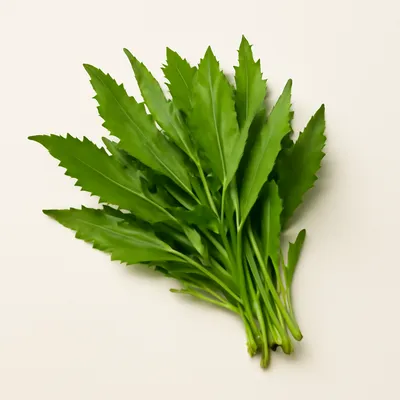
Pepeto is a layered simmer, not a long braise: the pork ribs go in first to build a savory broth and render light fat, then the vegetables are added in order of cooking time — fava beans and corn early, the quicker squash and chilacayote later — so each keeps its own texture rather than dissolving into the pot. The manzano chiles (Capsicum pubescens, a thick-walled highland chile with black seeds) are added whole and left to steep, which releases their fruity aroma and a measured heat into the broth without breaking down and turning it sharp. Epazote, stirred in near the end, gives the resinous herbal note that ties corn-and-bean cooking together across central Mexico.
Variations
The pork can be ribs, hock or shoulder, and chicken is a common lighter swap. The squashes vary with what is ripe — calabacita, chilacayote, even pumpkin. In Morelos the version is plainer, often just winter squash and epazote in broth. The Villa Guerrero fair has produced a creative offshoot, pepeto tamales, in which puréed pepeto is steamed inside masa wrapped in chilacayote leaves. It is finished to taste with lime, oregano, grated cheese, olive oil or avocado.
On the Palate
Where Pepeto sits in the Mexican flavor cloud
Ingredients
Serves 6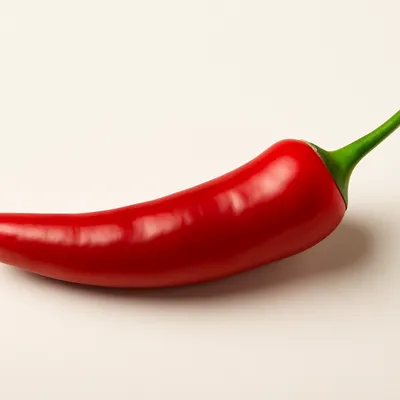

How it's made
7 steps · 30 min active + 1 hour waiting
- 145 min
Simmer the pork ribs in water with onion and garlic until a savory broth forms and the meat begins to soften.
Watch outKeep the pork at a lazy simmer, never a rolling boil — a gentle bubble builds a clear, savory broth, whereas a hard boil turns it cloudy and greasy.
- 212 min
Shell the fresh fava beans and cut the corn kernels from the cobs.
- 310 min
Add the fava beans and corn to the pot and continue simmering.
- 48 min
Add the cubed squash and chilacayote, and drop in the whole manzano chiles.
Watch outDrop the manzano chiles in whole and leave them intact — they should perfume the pot and steep out fruity heat; if they burst, the broth turns harshly sharp.
- 515 min
Simmer until all the vegetables are tender but still hold their shape and the pork is fully cooked.
Watch outPull the vegetables while they still hold their edges — fava, corn and squash should be tender but distinct, not collapsed into the broth.
- 63 min
Stir in epazote and season with salt near the end.
- 75 min
Serve hot with lime, oregano, salt bread, and avocado or grated cheese to taste.
Archive tool suggestions — not reviewed
These legacy suggestions have not been evidence-reviewed and are not presented as required tools.


