



Machaca itself is a Norteño preservation method: lean beef (skirt or round) salted, sun-dried on the ranch, then pounded with stones to break the fibers — the word comes from Spanish 「machacar」, to pound. The egg-scramble form is Sonora-Sinaloa breakfast cooking, eaten on the cattle ranches and then ported into urban Hermosillo and Culiacán cafés. The 30cm flour tortilla (sobaquera, named because it's so big it's stretched under the armpit) is itself Sonoran — wheat, not corn, because the north grew wheat after Spanish colonization.
Machaca means 「to pound」 in Spanish — beef salted, sun-dried on the ranch, then crushed with stones to break the fibers. Sun-drying removes 60-70% of water mass. The 30cm sobaquera tortilla is named for being stretched under the armpit.
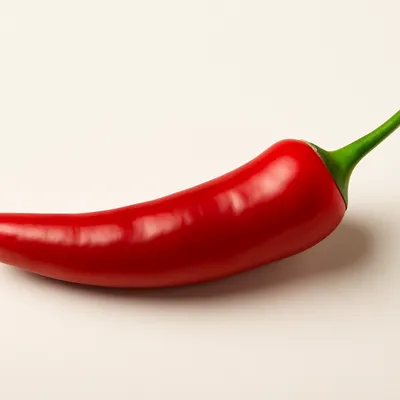
Bite through the warm tortilla and the egg curds give first — soft, just-set, holding the shredded beef in fluffy clusters. The machaca itself stays chewy: stringy, deeply beefy, with that concentrated jerky umami you only get from sun-drying. Serrano heat is bright and grassy, not hot for hot's sake. Lime cuts the salt. The bottom of the burrito gets a little oil-stained from the lard. A good machaca has visible threads of meat, not paste.
Sun-drying concentrates beef flavor by removing 60-70% of water mass while the salt and dehydration block bacteria. Pounding (machacar) breaks cell walls so the dried beef rehydrates into individual fibers, not blocks. The pan technique is critical: the chile-onion fat must coat the rehydrated beef before the eggs go in, otherwise the machaca tastes one-dimensional and the eggs taste plain. Cooking eggs to soft-set (not dry) keeps the burrito from being chalky.
Variations
Sonora keeps it dry and beef-forward; Sinaloa pulls in shredded marlin (machaca de marlín) for the coastal version; Chihuahua adds chile colorado for a redder, wetter scramble.
On the Palate
Where Burrito de Machaca sits in the Mexican flavor cloud
Ingredients
Serves 2
How it's made
6 steps · 20 min active + 5 min waiting
- 16 min
Place 80g machaca (jerky-dry shredded beef, salty and brittle) in a small bowl, cover with 100ml warm water, soak 5 minutes to rehydrate. Drain, squeeze gently — the beef should be pliable but not soggy.
Watch outReal machaca is hard as cardboard out of the bag — if it bends, it's been pre-moistened and will turn to mush in the pan.
- 24 min
Heat 2 tbsp lard or vegetable oil in a 25cm skillet over medium-high. Add 1 finely diced white onion and 1 minced serrano chile (seeds in for heat). Cook 3 minutes until onion is translucent at the edges.
- 32 min
Add 1 small Roma tomato (diced, ~80g) and the rehydrated machaca. Toss in the fat 2 minutes — the beef will pick up the chile-onion oil and turn glossy.
- 43 min
Beat 4 eggs with a pinch of salt. Reduce heat to medium-low. Pour eggs over the machaca, let set 20 seconds, then drag a wooden spoon through to make large soft curds. Pull off heat when eggs are still glossy — residual heat finishes them.
Watch outMachaca is already salty — taste before adding more salt or the dish will be inedible.
- 52 min
Warm 2 large flour tortillas (30cm, the thin Sonoran sobaqueras) directly on the burner flame, 10 seconds per side, until pliable and lightly toasted in spots.
Watch outFlame too long and the tortilla cracks at the fold — pull as soon as it puffs.
- 63 min
Spoon half the machaca-egg into the lower third of each tortilla. Fold bottom up over filling, fold both sides in, then roll tight away from you. Serve immediately with salsa verde and a wedge of lime.
Archive tool suggestions — not reviewed
These legacy suggestions have not been evidence-reviewed and are not presented as required tools.
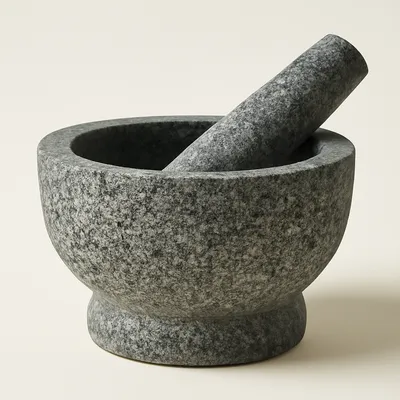
The simplest tool in any kitchen: a heavy bowl and a club to bash things in it. Different cuisines use different stones — Thai cooks pound green papaya in a tall granite mortar (krok hin); pesto Genovese requires the soft-pored Carrara marble; Indian masalas grind down on rough basalt. The bash-don't-cut motion releases volatile oils that a blade keeps sealed in the cell wall.
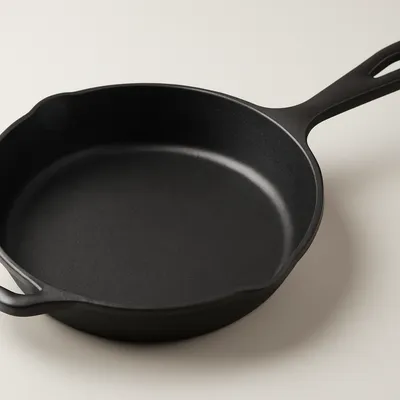
A heavy, single-piece cast iron pan, 25-30 cm across, weighing 1.5-2.5 kg. Once preheated, the thick mass holds 230°C+ even when a cold steak hits the surface — that's the secret to a deep crust. A well-seasoned skillet (multiple thin layers of polymerized oil baked into the iron) is essentially nonstick, gets better with use, and lasts a century. Lodge skillets from Tennessee have been in continuous production since 1896.


