Verde is the herb-forward green of the seven Oaxacan moles, kin to mole verde de pepita from Puebla but distinguished by its lack of pepitas (Oaxacan verde uses only fresh herbs and masa). It's a working mole — cooked weeknight by households, often with white beans replacing chicken in poorer kitchens. Hoja santa, an indigenous pepper-leaf with anethole and safrole, is the load-bearing herb; without it the mole reads as 'green soup' rather than verde. Documented in Zapotec cooking traditions long before Spanish contact.
The herb-forward green of the seven — distinguished from Pueblan mole verde by having no pepitas, only fresh herbs and masa. The whole technique is anti-mole: paste warmed (not fried) so chlorophyll doesn't oxidize brown above 70°C.
Verde lands on the spoon a clean herb-green, looking more like a soup than a sauce. The first taste is tomatillo brightness — sharp, almost lemony — then green chile heat (more pop than burn), then the unmistakable anise-mint of hoja santa across the back of the palate. Masa carries body without weight. Tear the tortilla, dip, scoop. Benchmark: you should taste 'fresh' as the loudest note, not 'cooked'. Verde that tastes like soup-stock has been over-simmered.
Verde's whole technique is anti-mole: where rojo/coloradito/negro fry the paste hard to develop colour and depth, verde is barely heated. The blanched chiles and tomatillos are blended raw-ish, the paste is warmed (not fried), and masa thickens at low heat. This preserves chlorophyll (which oxidizes brown above 70°C with sustained heat) and keeps the volatile herb compounds (linalool, eugenol, safrole) intact. Anyone who fries verde aggressively is making a different dish that happens to be green.
Variations
Pueblan mole verde de pepita uses pumpkin seed; Oaxacan Mixteca-Alta versions add white beans for poorer tables; Tlacolula valley cooks finish with epazote and chepiche.
On the Palate
Where Mole Verde Oaxaqueño sits in the Mexican flavor cloud
Ingredients
Serves 6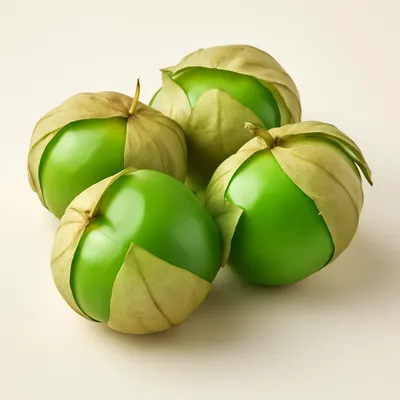












How it's made
7 steps · 1 hour active + 30 min waiting
- 112 min
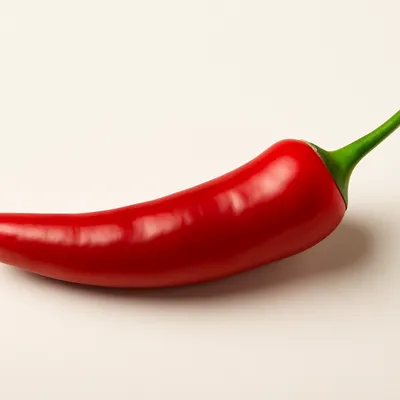
Husk and rinse 600g tomatillos. Drop into boiling water with 4 jalapeños and 2 serranos, simmer 8 minutes until tomatillos turn olive-green and chiles soften.
Watch outTomatillos boiled past 10 minutes go grey-green — pull them at the colour change.
- 210 min
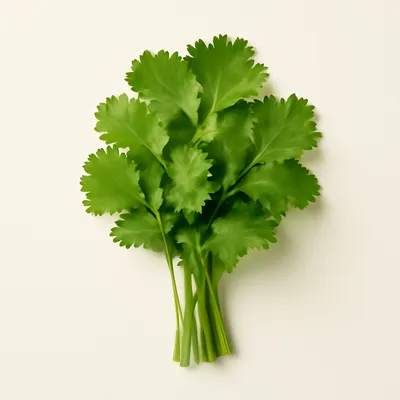
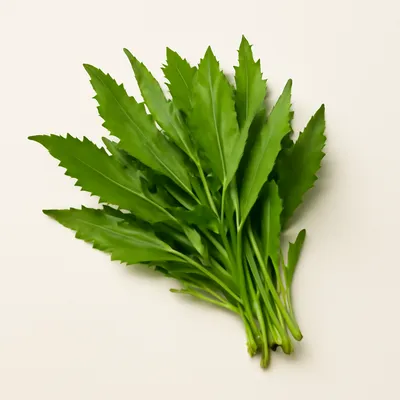
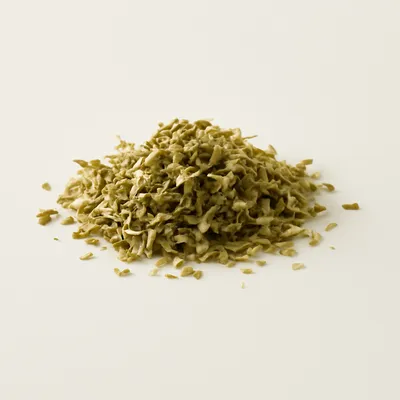
Pluck leaves from 1 large bunch flat-leaf parsley, 1 large bunch cilantro, 4 hoja santa leaves, 1 small bunch epazote, and 1 small bunch fresh oregano (about 200g of greens total).
Watch outTough stems blender-shred into fibres that catch in the throat — use leaves and tender tips only.
- 36 min
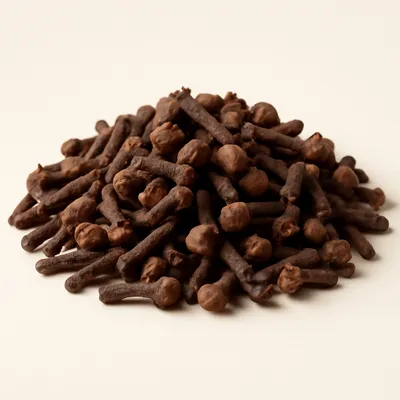
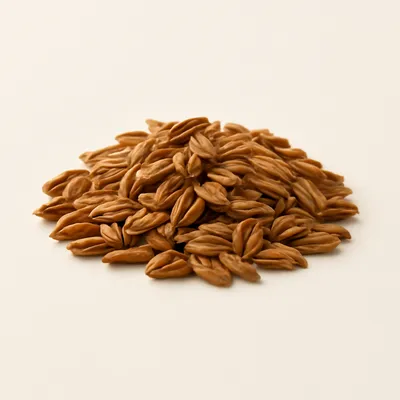
Blend the boiled tomatillos and chiles, all herbs, 5 garlic cloves, 1 piece white onion, 6 black peppercorns, 4 cloves, 1 tsp cumin, and 300ml of the cooking water until very smooth and bright green.
Watch outBlend in two short bursts rather than one long run — heat from the blade dulls the green to brown.
- 46 min
Heat 30ml lard in a heavy pot. Pour the green paste in and bring just to a simmer over medium-low heat (don't fry hard, that browns the green).
Watch outVerde does NOT sazonar like red moles — gentle simmer only or you lose the colour.
- 515 min
Whisk 50g masa harina into 200ml cool chicken broth, then add another 800ml broth. Pour into the pot, stirring constantly. Simmer 12 minutes until silky.
Watch outCool broth first or masa lumps; whisking standing still makes a paste.
- 612 min
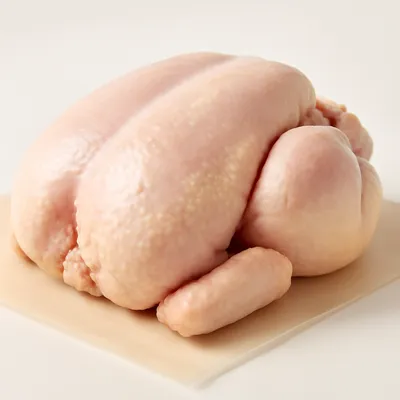
Add 1.5kg poached chicken pieces or pre-cooked white beans, simmer 8 minutes to heat through. Salt to taste. Tear in a few extra hoja santa leaves in the last minute for a fresh hit.
- 73 min
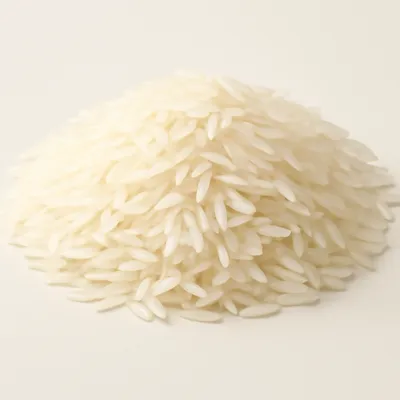
Serve immediately in shallow bowls with white rice and warm corn tortillas. Verde does NOT improve overnight — make it the day you eat it.
Watch outReheating verde the next day turns it army-green and dull — eat fresh.
Archive tool suggestions — not reviewed
These legacy suggestions have not been evidence-reviewed and are not presented as required tools.