
Chalupas poblanas come from the Centro Histórico of Puebla city — the bordered streets around the Plazuela de los Sapos and 6 Norte are still full of them. The most widely told account traces them to 1896 on the banks of the San Francisco river in Puebla, where Francisca Hernández sold small hand-pressed masa cakes bathed in red and green salsa and finished in hot lard; the name 'chalupa' (boat) is said to come from the small ferry boats on that river and nearby fishpond. The Tex-Mex 'chalupa' (a flat fried tortilla with bean paste, sold by US chains from the 1970s) is unrelated and uses the name loosely.
Pueblan Centro Histórico street food — 5mm-thick masa boats with pinched rims, fried just enough to set the outside. The Tex-Mex 「chalupa」 sold by US chains since the 1970s is unrelated.
The chalupa eats one-bite, two-chew. The masa boat is soft-set, slightly chewy, never brittle — closer to a thick fresh tortilla than a tostada. Salsa hits first, hot and tangy; the chicken is mild padding; the raw onion gives an end-bite snap. Pueblan stalls serve them in pairs of red and green so each plate alternates. They are designed to be eaten in fives — anything fewer doesn't constitute a chalupa order.
The masa thickness is the whole point. A tortilla is 1.5mm and goes crisp; a chalupa is 5mm and stays pliable in the center after frying — that pliability is what holds the salsa without leaking. Edges pinched up by 5mm form a shallow rim that catches the juice. Frying time is calibrated to set the outside without dehydrating the inside; if the chalupa hardens through, the dish becomes a tostada with extra steps.
Variations
Around Plazuela de los Sapos and 6 Norte, stalls serve them in alternating pairs of red and green; Cholula versions are slightly thicker and use shredded pork instead of chicken.
On the Palate
Where Chalupas Poblanas sits in the Mexican flavor cloud
Ingredients
Serves 4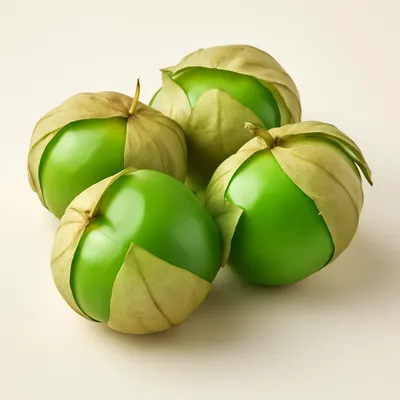









How it's made
6 steps · 40 min active + 10 min waiting
- 110 min
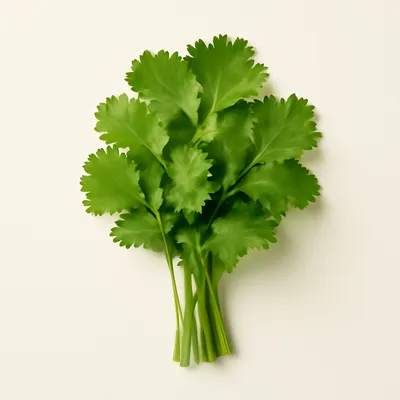
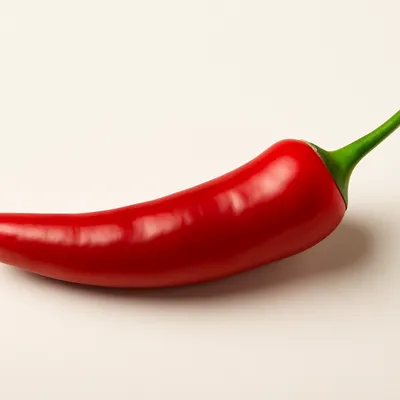
For the green salsa: char 8 tomatillos (husks removed), 2 serrano chiles, 2 garlic cloves, and a small piece of white onion on a comal until blackened in spots, 6-8 minutes. Blend with a small handful of cilantro, 1/2 tsp salt, and 60ml water until rough but pourable.
Watch outTomatillos right off the comal can be acidic and bitter — blend them while still warm; the heat rounds the husk-tomato sharpness.
- 218 min
For the red salsa: toast 4 dried guajillo and 2 ancho chiles (stems and seeds removed) on a dry comal 30 seconds per side, then soak in hot water 15 minutes. Char 3 Roma tomatoes and 2 garlic cloves on the comal. Blend chiles, tomatoes, garlic, 1 tsp salt, and 100ml of the soaking water.
Watch outIf chiles smoke or turn black on the comal they go bitter — 30 seconds per side, just until they puff and smell nutty.
- 313 min
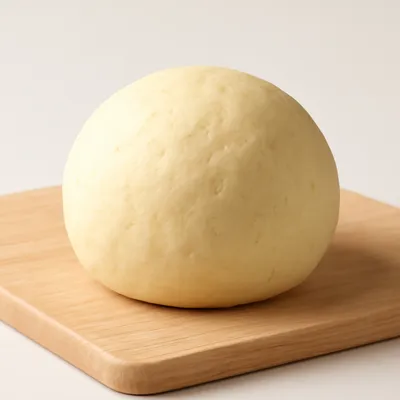
Make the masa: combine 250g masa harina with 320ml warm water and 1/2 tsp salt. Knead 3 minutes until smooth and pliable like Play-Doh. Cover with a damp cloth and rest 10 minutes.
Watch outMasa cracks at the edges if dry — push the seam together and add a teaspoon of water; the dough should never feel papery.
- 410 min
Divide masa into 16 balls (~30g each). Press each between two pieces of plastic with a tortilla press into thick discs (5mm thick, 8cm wide — thicker than a tortilla). Pinch the edges up by 5mm to form a shallow boat (chalupa).
- 510 min
Heat 4mm of lard in a wide pan to medium-high, around 180°C. Fry the chalupas 30 seconds per side until the edges firm up and pale golden patches appear — they should not get crisp like a tostada, just set. Drain on paper.
Watch outChalupas are not chips — over-fry past 60 seconds and they go hard and crack when topped.
- 64 min
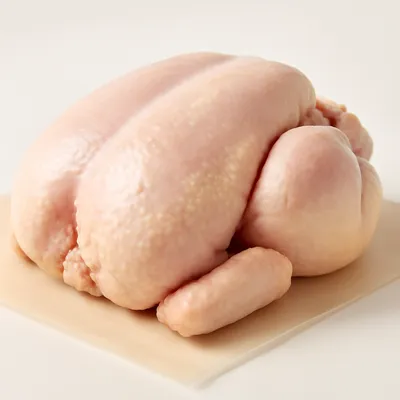
Working fast while still warm, spoon 1 tbsp salsa (red or green) onto each chalupa, top with 1 tbsp shredded poached chicken and a pinch of finely diced raw white onion. Serve immediately, 4-6 per person, on a wooden board.
Watch outChalupas eaten cold turn leathery — they are a counter-snack, made and eaten in batches.
Archive tool suggestions — not reviewed
These legacy suggestions have not been evidence-reviewed and are not presented as required tools.
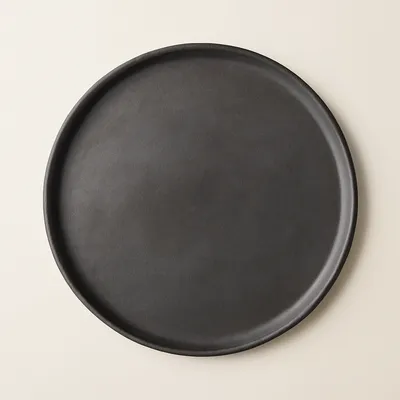
A flat round griddle of steel, cast iron, or unglazed clay, 30-50 cm across, the workhorse of the Mexican kitchen. It sits directly over a flame to toast tortillas (the puff happens in 30 seconds when the heat is right), char chiles for moles, blister tomatoes for salsas, and warm reheated leftovers. Clay comales (especially from Oaxaca) season with each use and impart a faint smoky tang that no metal version can fake.
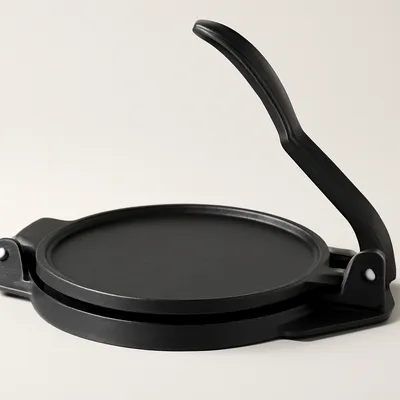
Two flat plates hinged at one edge, 18-20 cm across, made of cast iron or wood. A ball of nixtamalized masa is placed between two plastic squares, and one good push flattens it to a 2 mm disc — what would take 30 seconds of hand-patting takes 2 seconds. Cast-iron presses are heavier and produce more uniform tortillas; wooden ones are lighter and better-suited to thicker huaraches and sopes.


