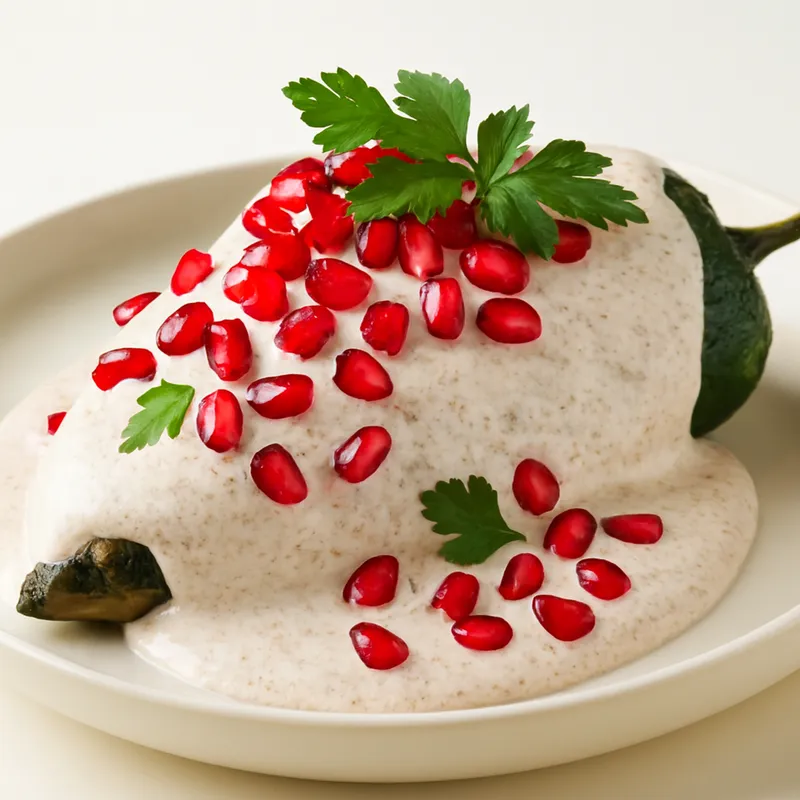
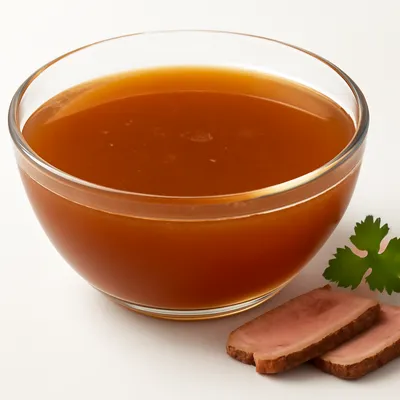
Durango ranch stew of dried shredded beef (carne seca) simmered with roasted green chile, tomato, white potato, onion, and garlic in beef broth — eaten with flour tortillas to scoop.





Caldillo (「little broth」) is a Durango ranch staple, born from the Spanish-introduced cattle that grazed the high desert plateau and the indigenous practice of sun-drying meat for the dry season. The dish crystallized among late-19th-century railroad crews (c. 1892) as a potato soup — originally made with venison, later beef — and carne seca is its older preserved-meat backbone, rooted in pre-refrigeration drying for the dry season — pre-refrigeration, drying was the only way to keep beef through the winter. The flour tortilla (not corn) reflects northern Mexico's wheat-growing geography. Durangueño cooks insist on chile pasado (sun-dried roasted poblano) and refuse to thicken the broth — it stays a soup, not a stew.
Durango ranch staple — the carne seca form predates refrigeration. The lard-fry of the tomato purée before broth (the freír-la-salsa step) is what gives the brick-red sheen and kills the raw-tomato bite.
Spoon-deep stew, brothy not stewy — the broth is brick-red from charred tomato and lard. Carne seca shreds float in long fibers and have a concentrated, almost bouillon-like beefiness. Poblano strips bring a green-pepper note that's roasted, not raw. Potatoes are soft enough to break with the spoon's edge. You tear a flour tortilla, fold it, scoop. The last spoon is broth — drink it.
Three reasons this is more than beef-and-potato soup. First: carne seca's concentrated glutamates double the broth's umami without needing extra meat. Second: charring the tomato breaks down its acidic raw note and adds smoky aromatics from the maillard'd skin. Third: the lard-fry of the tomato purée before adding broth is the Mexican 「freír la salsa」 step — it cooks off rawness and emulsifies the fat into the sauce, giving the broth its glossy mouthfeel.
Variations
Durango runs it brothy with carne seca; Chihuahua's caldillo norteño thickens it more and uses fresh beef; the Parras version pulls in local Coahuila red wine.
On the Palate
Where Caldillo Duranguense sits in the Mexican flavor cloud
Ingredients
Serves 4



How it's made
7 steps · 35 min active + 40 min waiting
- 116 min
Place 200g carne seca (sun-dried shredded beef) in a bowl, cover with 400ml hot water, soak 15 minutes to rehydrate. Drain, reserve the beef-flavored soaking liquid.
Watch outSoaking liquid carries 30% of the beef flavor — never throw it out.
- 218 min
Roast 4 chile poblano (or hatch green chile) directly on a gas burner flame or under broiler, turning until skin is uniformly blackened, 8 minutes. Steam in a covered bowl 10 minutes, then peel skin under running water and remove seeds. Cut into 1cm strips (rajas).
Watch outDon't rinse chiles too aggressively or you wash off the roasted oil that carries the green-chile flavor.
- 35 min
Char 3 Roma tomatoes on the same flame until skins blister and split, 4 minutes. Peel, then pulse in a blender with 2 garlic cloves and 80ml of the reserved soaking liquid until coarse.
- 46 min
Heat 2 tbsp lard in a heavy pot over medium. Sauté 1 diced white onion 4 minutes until translucent. Add the rehydrated beef and toss 2 minutes — beef should glaze in the lard.
- 53 min
Pour in the tomato purée and let it sizzle and reduce 3 minutes — the rawness should cook off and the color should deepen.
Watch outIf it doesn't sizzle, the pan isn't hot enough — raw tomato in stock tastes acidic and thin.
- 625 min
Add 600ml beef broth, the rest of the soaking liquid, the chile rajas, and 400g white potatoes peeled and cut to 2cm cubes. Bring to a simmer, partially cover, cook 25 minutes until potatoes are tender and broth has body. Salt to taste — carne seca brings salt.
- 72 min
Stir in 1 tbsp chopped cilantro. Ladle into deep bowls, serve with warm flour tortillas folded on the side.
Archive tool suggestions — not reviewed
These legacy suggestions have not been evidence-reviewed and are not presented as required tools.