
A Lent bread pudding of toasted bolillo soaked in a piloncillo syrup with cinnamon and clove, layered with raisins, peanuts, and mild cheese — every ingredient carries a Holy Week symbol.

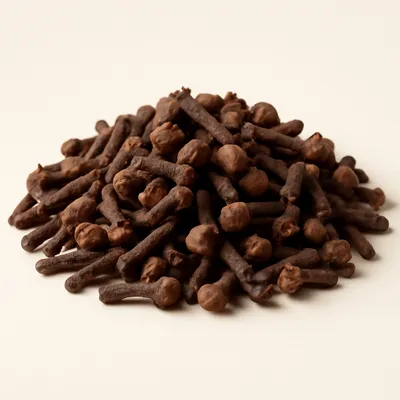

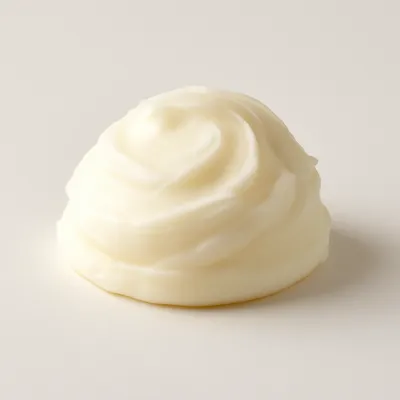
Capirotada arrived in New Spain from medieval Castile, where capirotada (from capirote, a hood) was originally a savoury layered dish. In Mexico the recipe shifted to sweet over the colonial centuries and gathered specifically Catholic meaning by the 18th-19th century: bread is the body of Christ, the syrup is his blood, the cinnamon sticks the wood of the cross, the cloves the nails, the melted cheese the shroud. It is Lenten food, tied to Holy Week, and recipes are heirloom-specific — a grandmother's capirotada is a regional thumbprint.
From medieval Castile via New Spain, originally savoury (capirote, a hood) and shifted sweet by the 18th century with explicit Catholic symbolism: bread for the body, syrup for blood, cinnamon stick for the cross, cloves for the nails, melted cheese for the shroud. Lent food, Holy Week only.
Each square is bread that has drunk its weight in dark spiced syrup, soft as wet sponge cake but with the surfaces still a little crisp. The cheese on top is salty and stringy — savoury cheese inside a sweet pudding is the strange thing that makes capirotada work, like an Italian crostata di ricotta. You meet a raisin, then a peanut, then a clove twang, then more bread and syrup. Eaten warm with a spoonful of cold cream, on Good Friday afternoon, often after a meatless meal.
Two textural rules carry capirotada. First, the bread must be both dried (dehydration) and lightly fried (fat-coated): plain dry bread soaks too much and dissolves; plain fried bread refuses syrup. The double treatment lets bread absorb syrup to softness while keeping structural slices. Second, the cheese is salty by design — it counters the molasses-deep sweetness of piloncillo so the dish reads as dessert without becoming cloying. Drop the cheese and the dish goes flat-sweet.
Variations
Sinaloa version is the most baroque (banana, peanut, cheese, raisin, sometimes onion); Zacatecas is austere (just bread, syrup, cheese); Jalisco adds rompope; northern Sonora drops the cheese — most Mexican cooks call that a different dish entirely.
On the Palate
Where Capirotada sits in the Mexican flavor cloud
Ingredients
Serves 6


How it's made
6 steps · 35 min active + 55 min waiting
- 114 min
Slice 4 stale bolillos (Mexican crusty rolls, total ~400g) into 1.5cm thick slices. If they are not already dry, lay them out the night before; otherwise toast in a 160°C oven 12 minutes until the slices are dry to the centre and pale gold.
Watch outSoft fresh bolillos turn to mush under syrup — they must be bone dry, knock-knock-hollow.
- 222 min
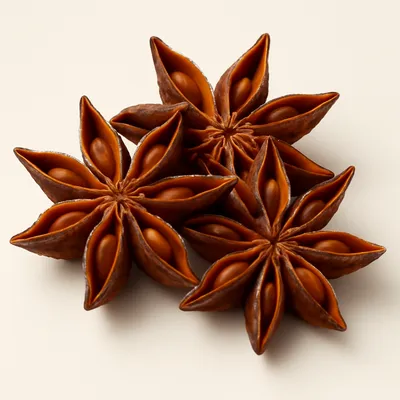
Make the piloncillo syrup: in a saucepan combine 250g piloncillo (broken into pieces), 600ml water, 2 cinnamon sticks (canela de Ceylon), 4 whole cloves, 1 strip of orange peel, and 1 star anise. Simmer 20 minutes until the piloncillo dissolves and the syrup turns mahogany — it should coat a spoon thinly. Strain.
- 36 min
Heat 30g lard or butter in a small pan and lightly fry the toasted bread slices on both sides 30 seconds each — golden, not deep brown. This second toast adds caramel notes and waterproofs the bread enough that it absorbs syrup without dissolving.
Watch outSkip this and the bread turns to baby food in the syrup; do it too dark and it stays hard in the centre.
- 48 min
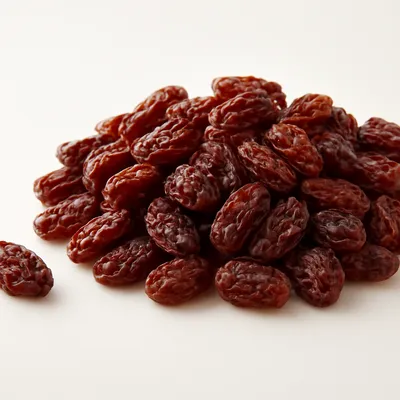
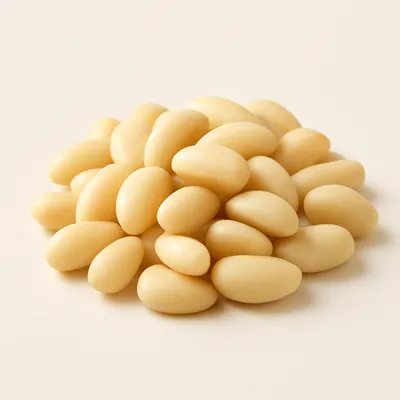
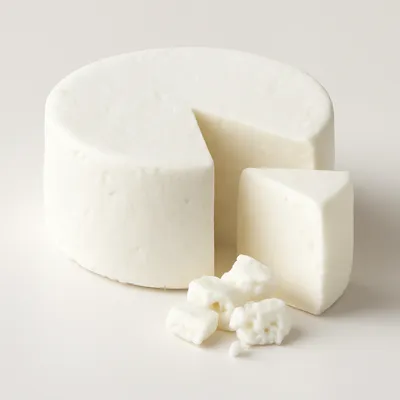
Butter a 23cm baking dish. Lay a third of the bread in a single layer. Scatter 40g raisins, 40g roasted peanuts, 30g blanched almonds, 10g pine nuts, and 80g grated mild queso fresco or añejo. Repeat the layers twice. Pour the warm syrup slowly over the whole pan — pause every cup to let it soak in. Top with another sprinkle of cheese.
- 540 min
Cover with foil. Bake at 180°C for 30 minutes, then remove the foil and bake another 10 minutes until the top cheese has melted and the edges are crusty. Some syrup should still be visible at the bottom of the dish.
Watch outIf the dish looks dry when you remove the foil, drizzle 50ml hot water — capirotada should never bake out completely dry.
- 615 min
Rest 15 minutes before cutting — the syrup keeps moving through the layers. Serve warm or at room temperature, on small plates, often with a spoon of cream on top. Traditionally eaten on Good Friday.
Archive tool suggestions — not reviewed
These legacy suggestions have not been evidence-reviewed and are not presented as required tools.


