A traditional Lenten bread pudding of Jalisco: layers of toasted bolillo bread, cheese, peanuts, raisins, and a piloncillo-cinnamon syrup, baked until the bread absorbs the syrup and the cheese melts into a custardy layer. Eaten during the Lenten season (Cuaresma), capirotada is one of Mexico's oldest surviving colonial-era desserts, with documented recipes from the 16th century.
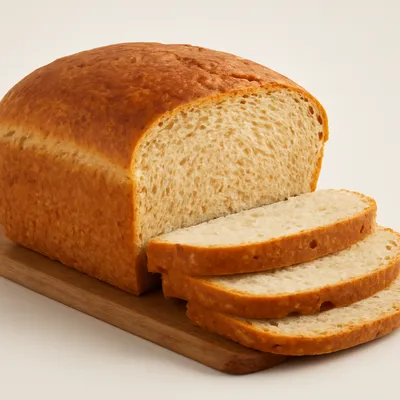



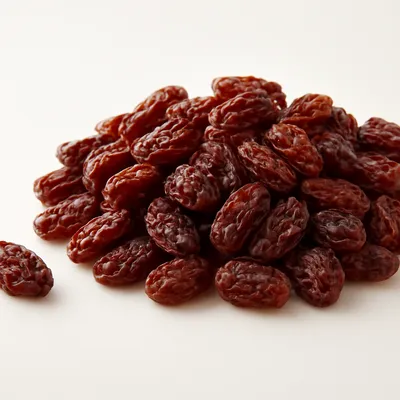

Capirotada descends from a Spanish bread dish that began as a savory preparation for using up stale bread (documented in Spain as early as the 15th-17th centuries). It arrived in New Spain during the colonial period, where cooks stripped out the meat to suit the Lenten fast (Cuaresma, the 40 days before Easter) and sweetened it with local ingredients like piloncillo. It is documented as a meatless Lenten dessert in Mexican recipe books by the 18th century. The Jalisco version is one of many regional variations; the combination of bread, cheese, nuts, and syrup made a satisfying fasting-day dish that remains a Lenten tradition across Mexico.
A square of capirotada presents layers of syrup-soaked bread with strings of melted cheese, embedded peanuts and raisins, and a deep, molasses-rich syrup. The first bite is sweet and complex — the bread is custardy from absorbing the syrup; the cheese adds a savory, slightly tangy note that balances the sweetness; the nuts add crunch; the cinnamon and cloves add warm perfume. Eaten warm, in squares, often during Lent.
Capirotada's character depends on the bread absorbing the syrup. Bolillo bread (crusty white roll) is sliced and toasted, then layered with cheese ( traditionally a dry, crumbly cheese like cotija), peanuts, and raisins. The piloncillo syrup (with cinnamon, cloves, and sometimes anise) is poured over; the bread's dry, porous structure absorbs the liquid (capillary action pulling it in). During baking, the bread's starches gelatinize in the absorbed syrup, becoming custard-like. The cheese melts into a savory-sweet layer. The piloncillo (rich in molasses and minerals) provides deep, complex sweetness that balances the cheese's salt.
Variations
Some versions add tomato or banana; the cheese type varies; the nut mix varies; some add a streusel top.
On the Palate
Where Capirotada Jalisciense sits in the Mexican flavor cloud
Ingredients
Serves 8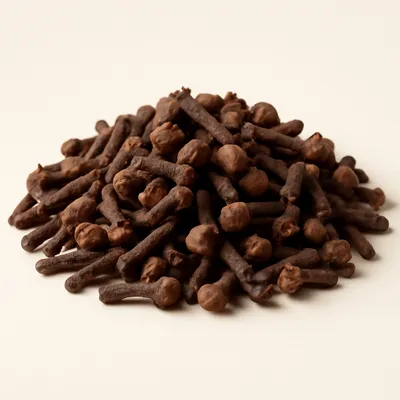
How it's made
6 steps · 1 hour 15 min active + 45 min waiting
- 110 min
Slice bolillo bread; toast on a comal until dry and golden.
- 215 min
Make the syrup: dissolve grated piloncillo with water, cinnamon stick, cloves, and a little anise; simmer 15 minutes.
Watch outSimmer the piloncillo syrup with the spices about fifteen minutes so it turns rich and infused — a thin, raw syrup won't soak in or flavor the bread.
- 310 min
Layer bread slices in a baking dish; top with crumbled cheese (cotija or añejo), peanuts, and raisins.
- 45 min
Repeat layers; pour the syrup over the top, allowing the bread to absorb it.
- 530 min
Let stand 30 minutes so the bread absorbs the syrup.
Watch outLet it stand thirty minutes so the toasted bread drinks the syrup deep — bake it dry and the center stays hard instead of custardy.
- 635 min
Bake at 180°C for 30-40 minutes until hot and the top is slightly crisp; serve warm.
Archive tool suggestions — not reviewed
These legacy suggestions have not been evidence-reviewed and are not presented as required tools.


