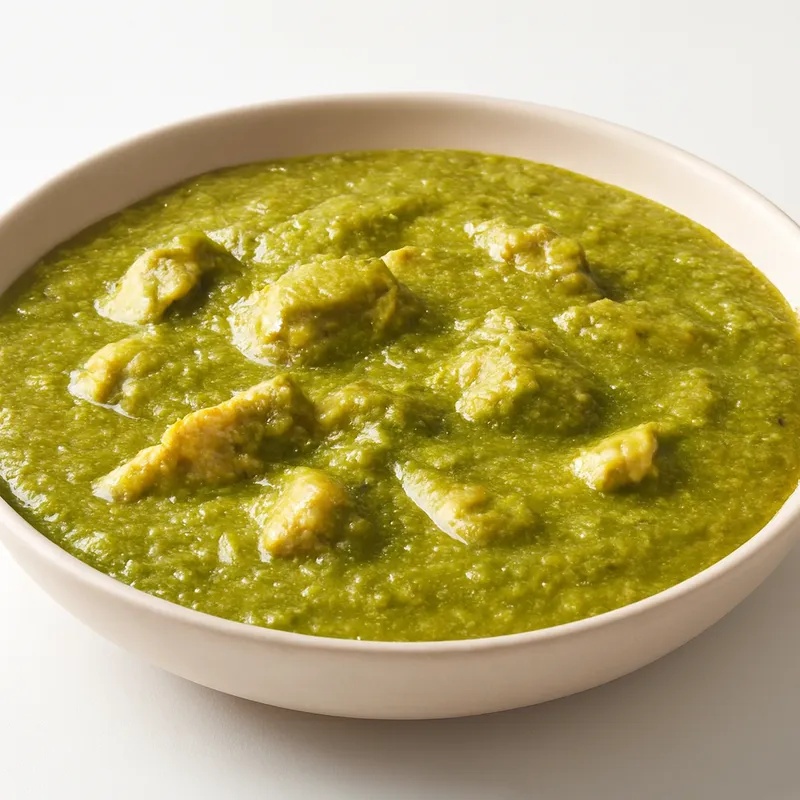
Born in the Jalisco region of western Mexico, with the town of Cocula widely cited as its cradle; it traces to the colonial era after the Spanish introduced goats (commonly placed in the conquest period of the early-to-mid 1500s). Spanish colonizers brought goats to the region; locals found the meat tough and gamy and developed a long chili-marinated braise to tame it. Modern Tijuana street vendors converted it to the taco-and-broth format in the 1950s; the quesabirria format was developed by Tijuana taqueros (who switched to beef as goat was costlier and leaner), but the viral wave actually centered on Los Angeles around 2015-2016, where Tijuana taqueros brought it across the border and Instagram spread it (e.g. Birrieria Gonzalez opened 2015), before it reached wider US food media.
A Jalisco goat stew that became a tortilla-truck phenomenon when somebody dipped a quesadilla in the consomé.
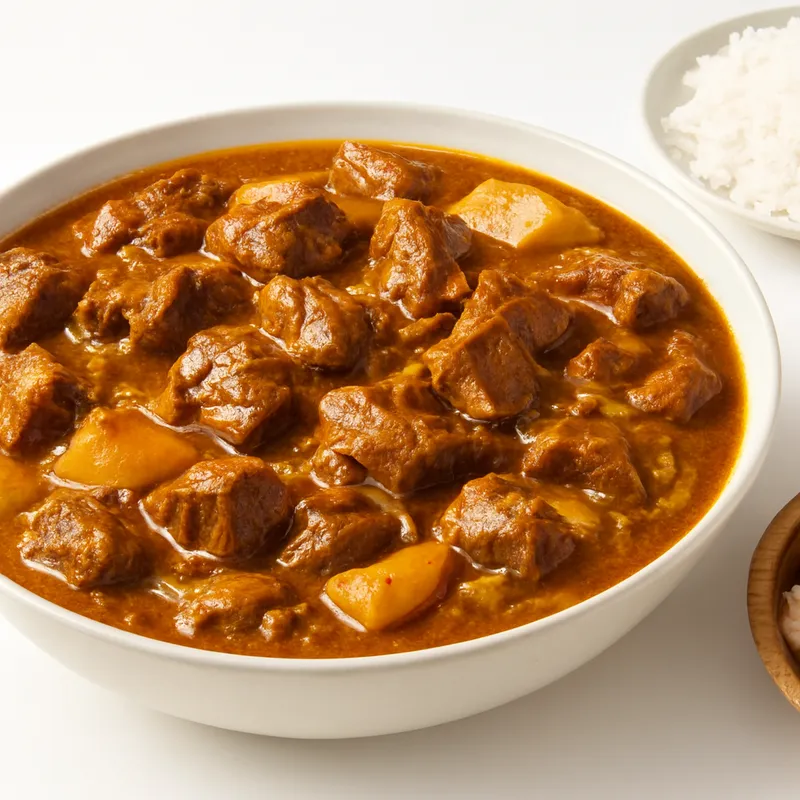
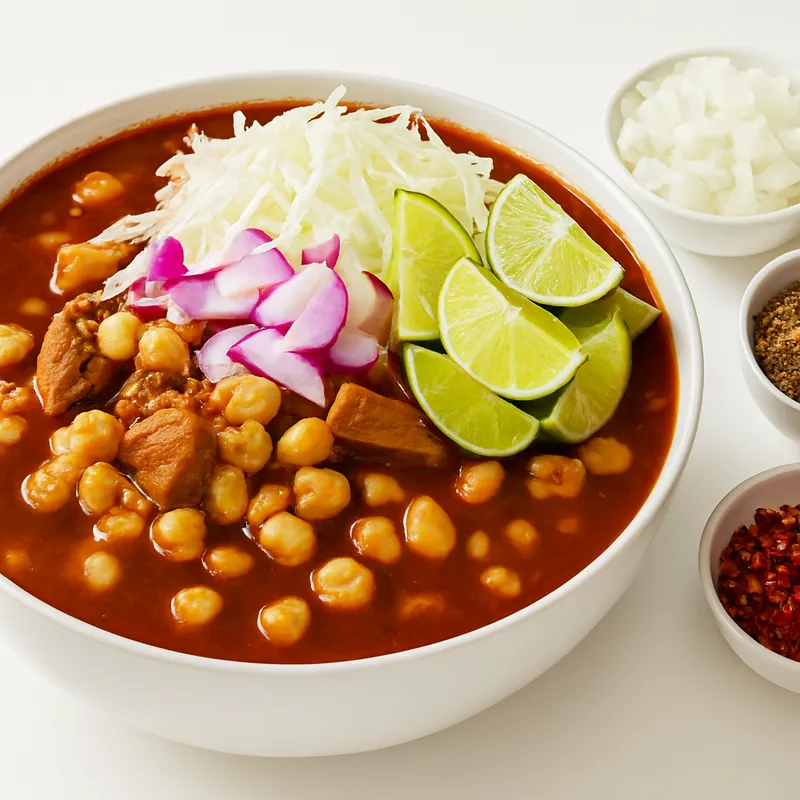
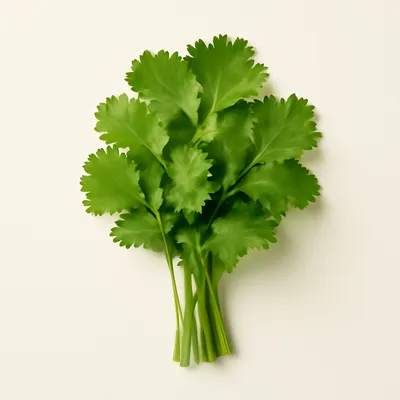
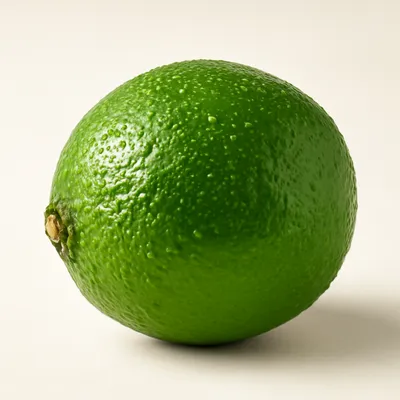
Deep red broth (consomé) glossy with chili oil, beef or goat shredded into long strands. Served two ways: as a stew in a clay bowl with chopped onion, cilantro, lime; or as the dip for crisp tacos (quesabirria) where the tortilla is fried in the broth fat itself. The meat should fall apart at chopstick pressure but the strands stay distinct, not paste.
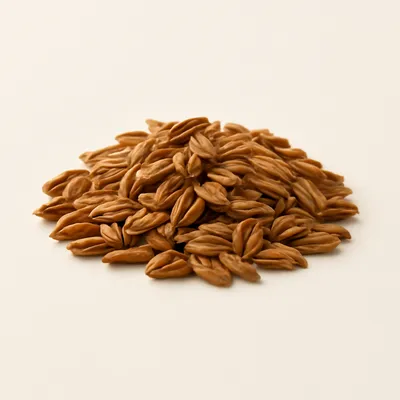
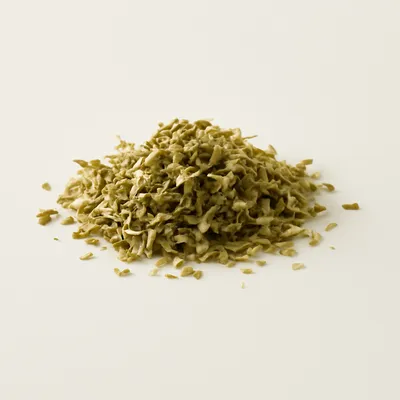
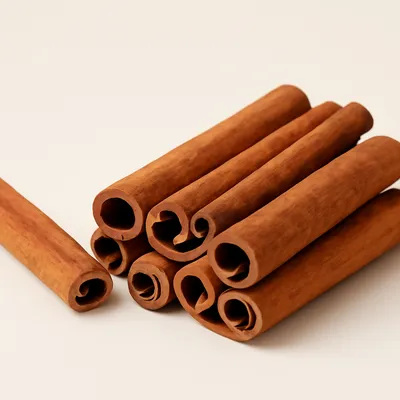
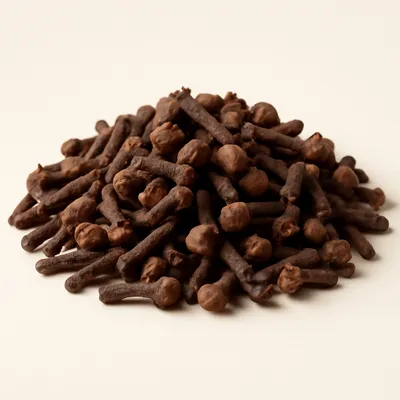
Adobo is the technical move: dried guajillo, ancho, and pasilla chilies are toasted, soaked, and blended with vinegar, garlic, cumin, oregano, cloves before going on the meat for 12+ hours. The vinegar denatures the muscle proteins; the chili oil carries fat-soluble flavor deep. Skip the marinade and braise alone — the meat is tender but flat, with chili sitting on the surface only.
Variations
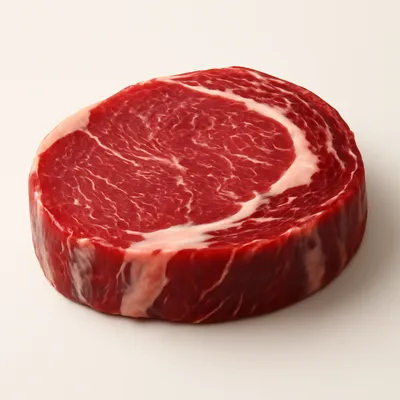
Tijuana popularized the beef + Oaxaca-cheese quesabirria; Aguascalientes uses lamb; the original Cocula village version is goat-only.
On the Palate
Where Birria sits in the Mexican flavor cloud
The adobo, not the braise, is what makes birria: toast and blend the dried chilies with vinegar, garlic and spices and marinate the meat 12+ hours, so the vinegar denatures the proteins and the chili oil carries flavor deep instead of sitting on top.
Ingredients








How it's made
5 steps · 1 hour active + 2 hours waiting
- 110 min
Prepare the adobo by blending dried chiles, garlic, vinegar, and spices until smooth. Marinate the beef or goat pieces in this adobo for at least 2 hours, preferably overnight in the refrigerator.
Watch outBlend the adobo until fully smooth and rub it into every crevice of the meat; patchy coating means patchy flavor.
- 210 min
Preheat the oven to 325°F (163°C). Transfer the marinated meat to a large baking dish. Cover tightly with foil and bake until the meat is tender and falling apart, about 3 to 4 hours.
Watch outCover tightly with foil and hold a low steady heat; you want a slow simmer inside, not a boil, for 3–4 hours until it falls apart.
- 315 min
Remove the meat from the oven and let it rest for 20 minutes. Shred the meat with two forks, discarding any excess fat.
- 420 min
In a large pot, combine the shredded meat with the cooking juices. Simmer gently over low heat until the flavors meld, about 20 minutes. Taste and adjust seasoning with salt if necessary.
Watch outSimmer the shredded meat back in its juices until the flavors meld and it looks glossy, then taste and adjust the salt.
- 55 min
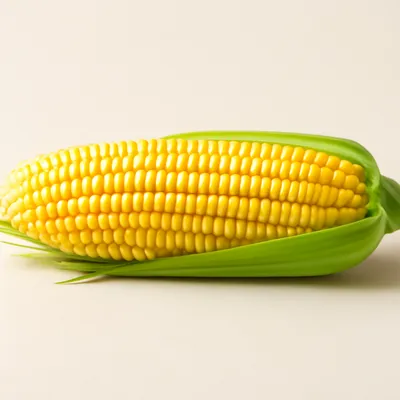
Serve the birria hot with warm corn tortillas, chopped onions, cilantro, and lime wedges. Optionally, add a side of consommé for dipping.
Archive tool suggestions — not reviewed
These legacy suggestions have not been evidence-reviewed and are not presented as required tools.