
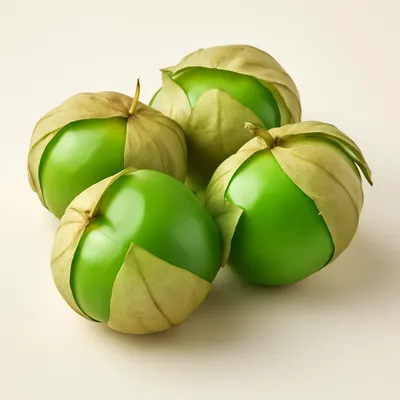



Tomatillos (Physalis philadelphica, husk tomato) were domesticated in central Mexico by the Aztecs before 1500, predating the red tomato in Mesoamerican cooking. The salsa verde cruda form — raw tomatillos blended with chile and onion — is documented across Oaxaca and central Mexico from the colonial period onward, made daily on the molcajete because tomatillos oxidize fast.
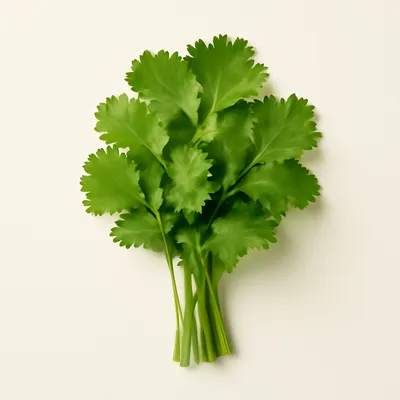
Salsa verde — tomatillos roasted on the comal until blistered and squeaky, then ground in a molcajete with serrano, cilantro, and white onion. Boiling them is the shortcut that gives away a non-Mexican kitchen.
Bright green, soupy but not watery, pooled in a molcajete. Sour hits first — tomatillo's green-apple acidity — then the slow burn of charred serrano or jalapeño, then raw onion bite. Cilantro and a knob of avocado sometimes go in to round it. Eaten by the spoonful onto tacos or scooped with a warm tortilla; if it tastes flat, the chiles weren't toasted.
Tomatillos carry pectin in their skin and a high citric/malic acid load — that's why the salsa thickens without cooking and stays sharp without lime. Charring the chile and onion (comal-roasted, skin blackened) before blending is the move that separates a flat salsa from a layered one: you get smoke, sweetness from caramelized sugars, and the chile's capsaicin tames into something you can eat by the spoon.
Variations
Cruda (raw, pico-style); cocida (boiled); asada (charred on comal, the canonical Oaxacan method); molcajeteada (mortar-ground, rougher texture); Yucatecan version adds habanero.
On the Palate
Where Tomatillo Salsa sits in the Mexican flavor cloud
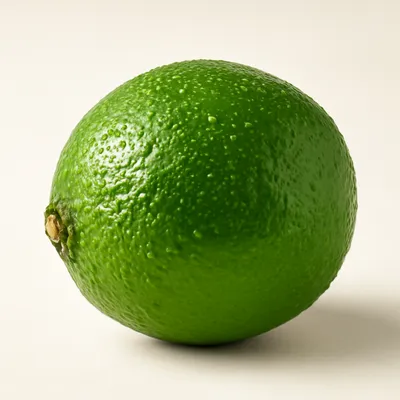
This is a raw salsa, so everything rides on balance — blend the tomatillos with chile, onion and lime only to a coarse, still-flecked texture, because tomatillos oxidize fast and over-processing turns it flat and foamy.
Ingredients
How it's made
3 steps · 20 min
- 15 min
Remove the husks from the tomatillos and rinse them under warm water to remove the sticky residue. Pat them dry with a clean towel.
Watch outThe husked fruit should feel dry and grippy, not slick — that squeak means the bitter film is gone.
- 210 min
Chop the tomatillos, redskin onion, and garlic into small pieces. In a bowl, combine these with chopped cilantro and freshly squeezed lime juice.
Watch outChop ingredients uniformly to ensure even mixing and flavor distribution.
- 35 min
Using a mortar and pestle or a food processor, blend the mixture until it reaches your desired salsa consistency. Taste and adjust seasoning with salt if necessary.
Watch outStop while you can still see flecks of tomatillo and onion; a smooth, pale-foamy purée has gone too far.
Archive tool suggestions — not reviewed
These legacy suggestions have not been evidence-reviewed and are not presented as required tools.
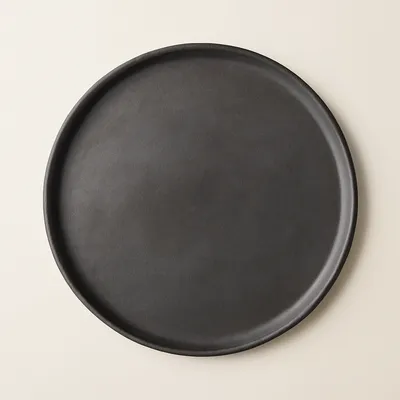
A flat round griddle of steel, cast iron, or unglazed clay, 30-50 cm across, the workhorse of the Mexican kitchen. It sits directly over a flame to toast tortillas (the puff happens in 30 seconds when the heat is right), char chiles for moles, blister tomatoes for salsas, and warm reheated leftovers. Clay comales (especially from Oaxaca) season with each use and impart a faint smoky tang that no metal version can fake.
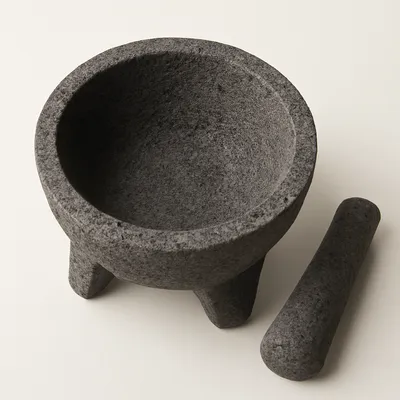
A three-legged mortar carved from porous volcanic basalt, 20-25 cm across, paired with a lava-stone pestle (tejolote). The rough surface tears cell walls instead of slicing them — the difference between a salsa de molcajete and a blender salsa is night and day, the molcajete-pounded version releases oils and aromatics the blade cannot reach. New ones must be cured by grinding rice and salt until the slurry comes out clean of grit.
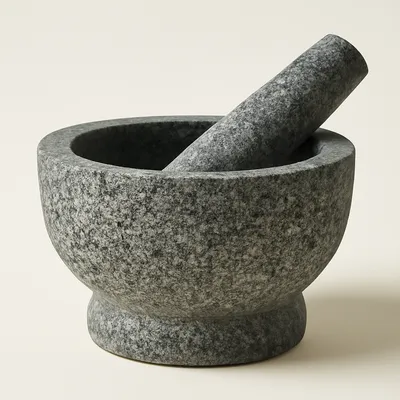
The simplest tool in any kitchen: a heavy bowl and a club to bash things in it. Different cuisines use different stones — Thai cooks pound green papaya in a tall granite mortar (krok hin); pesto Genovese requires the soft-pored Carrara marble; Indian masalas grind down on rough basalt. The bash-don't-cut motion releases volatile oils that a blade keeps sealed in the cell wall.


