
A taquería classic of slow-simmered beef tongue, poached for hours with aromatics until it is meltingly tender, the rough outer skin peeled away, then the rich meat diced and warmed on the griddle and folded into small corn tortillas. Lengua is the gentlest of the taquería offal cuts — buttery rather than gamy — and is dressed plainly with onion, cilantro, salsa and lime. Sold from the same stands and steamers as cabeza and suadero, it is a staple of Mexico City street meat.
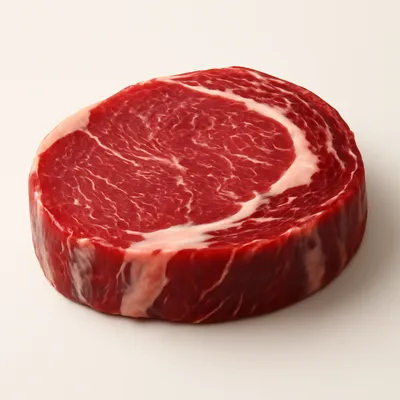




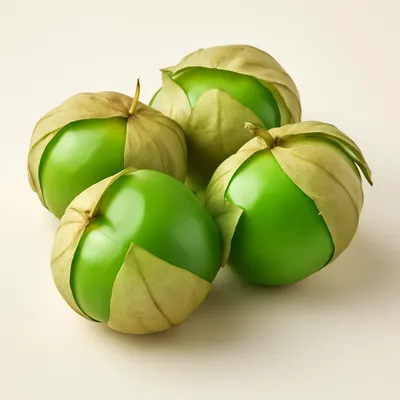
Tacos de lengua belong to the taquería tradition of using the whole animal — the cuts a butcher's family kept rather than sold — and lengua, cabeza, tripa and suadero are the canonical offal offerings of Mexico City and central Mexican stands. The practice has no single recorded inventor; it grew out of the working-class economy of nose-to-tail eating that shaped the capital's street food through the 20th century, and slow-cooked tongue is a thrifty cut found in many cuisines, given here its Mexican griddle-and-tortilla form. The honest framing is a long-standing street and market staple rather than a dated, attributable creation.
Tender, almost custardy cubes of meat that are richer and softer than any muscle cut — buttery, mildly beefy, with none of the chew of skirt or the membrane of suadero. The tongue's natural fat melts on the tongue, so to speak, and the griddle warms it just enough to firm the surface. On the corn tortilla it wants only the sharpness of raw onion, the herbal lift of cilantro, a green or red salsa, and lime to cut its richness. The texture is the whole point — soft is good here, not a fault.
Beef tongue is a hard-working muscle wrapped in a tough outer skin, so it must be cooked low and long. Hours of gentle poaching hydrolyse its abundant collagen into gelatin and render its interstitial fat, taking the meat from rubbery to spoon-soft; the same heat loosens the outer skin so it peels off cleanly while still warm. Once peeled and diced, a short turn on the griddle sets the surface and warms it through without toughening the delicate interior. Boil it too hard or too briefly and the skin clings and the meat stays rubbery; the slow simmer is non-negotiable.
Variations
The classic is plain diced lengua, but some stands griddle it harder for crisp edges, dorada-style. It is a frequent member of a campechano mix with suadero or chorizo. Beyond tacos, the same poached tongue appears as lengua en salsa verde or a la veracruzana, simmered in a sauce as a plated dish. Toppings stay minimal; the salsa and lime are doing the cutting work against the fat.
On the Palate
Where Tacos de Lengua sits in the Mexican flavor cloud
Ingredients
Serves 4
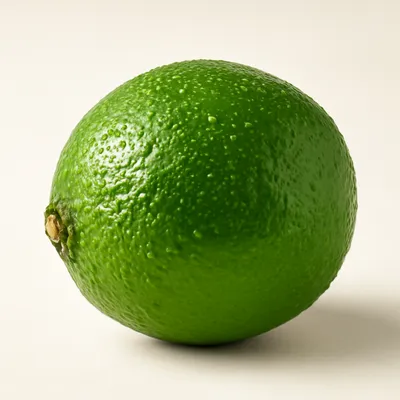
How it's made
8 steps · 3 hours 30 min
- 110 min
Rinse the beef tongue and place it in a deep pot with onion, garlic, bay leaf, peppercorns and salt.
- 215 min
Cover with water and bring to a gentle simmer, skimming the foam that rises.
- 3150 min
Poach low and slow for two to three hours, until a knife slides in with no resistance.
Watch outIt's done only when a knife slips into the thickest part with zero resistance — pull it early and the skin clings and the meat stays rubbery.
- 415 min
Lift the tongue out and, while still warm, peel off and discard the tough outer skin.
Watch outPeel the tough outer skin while the tongue is still hot; once it cools the skin tightens and grips, and it won't come away clean.
- 510 min
Dice the peeled tongue into small cubes.
- 65 min
Warm the diced lengua on a hot griddle with a little of its fat, just to set the surface.
Watch outJust kiss the diced tongue on the hot griddle to set the surface — long griddling toughens the tender inside you spent hours softening.
- 73 min
Heat corn tortillas on a comal.
- 85 min
Fill the tortillas with lengua, white onion, cilantro, salsa and a squeeze of lime.
Archive tool suggestions — not reviewed
These legacy suggestions have not been evidence-reviewed and are not presented as required tools.


