
A Mexico City street classic built on suadero — the thin, rose-colored sheet of beef from between the belly and the leg — first simmered tender, then confit-fried in its own fat on the great curved griddle, the choppa. The cook chops the cooked meat fine with a cleaver right on the hot steel and piles it onto small twinned tortillas. It eats soft and juicy rather than crisp, dressed simply with onion, cilantro, salsa and lime. Along with pastor and longaniza, it is one of the defining meats of the capital's evening taquerías.
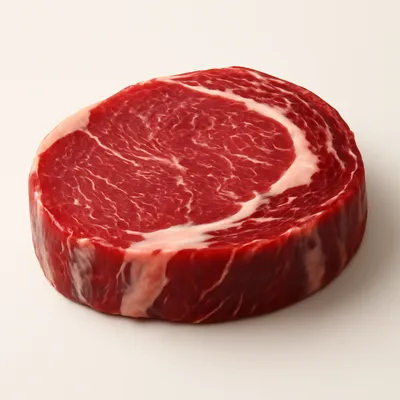




Suadero is a cut, not a recipe — the lean, membranous sheet of beef the butchers call the rose meat, lying between the flank and the round. The suadero taco is firmly a Mexico City institution, cooked on the comal de tacos sudados or the round, fat-pooled choppa alongside longaniza and tripe, and it belongs to the working-class evening taquería culture of the capital rather than to any documented single inventor. Its precise origins are not recorded, but it sits within the long tradition of taquerías de guisado and street griddle cooking that took shape in the city through the 20th century. The honest framing is that it is a cut-driven capital street taco whose appeal is technique, not pedigree.
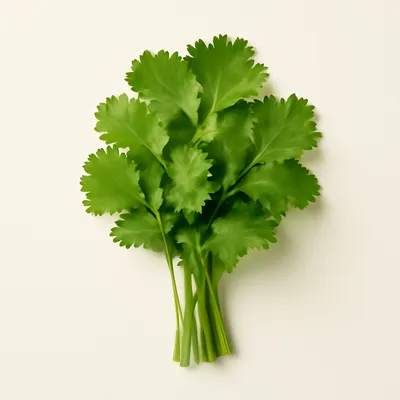
Soft, finely chopped beef, glistening from the fat it cooked in, with the faint chew of its membrane edges and a clean, beefy savor that is milder than barbacoa and richer than skirt steak. No crisp char here — suadero is about juiciness and tenderness. The double tortilla soaks up the fat without falling apart. White onion and cilantro for freshness, a green or red salsa for heat, lime to lift it. Two or three at a stand, eaten standing up.
Suadero is mostly lean with thin connective membrane, so it must be cooked twice. First a gentle simmer hydrolyses the membrane's collagen into gelatin, taking the meat from rubbery to tender. Then it finishes in rendered beef fat on the choppa, a confit-fry that keeps it moist while the surface picks up a little color and savor — the curved griddle is designed so fat pools at the low center where the meat braises, while the cooked pieces rest on the cooler rim. Chopping fine on the hot steel maximizes the surface that touches the fat. Frying it raw without the first simmer leaves it tough; boiling it dry without the fat finish leaves it pale and bland.
Variations
The classic is plain suadero, but many stands sell a campechano that mixes it with longaniza or chorizo. Some cooks brown it harder for a chewier edge; others keep it pale and soft. A whole sub-style, tacos sudados or de canasta, steams pre-cooked suadero in a basket. Toppings stay minimal — onion, cilantro, salsa — but the salsa choice (smoky chipotle, sharp green, or a fiery árbol) is where stalls compete.
On the Palate
Where Suadero Tacos sits in the Mexican flavor cloud
Ingredients
Serves 4
How it's made
8 steps · 2 hours 30 min
- 110 min
Cut the suadero into manageable pieces and rinse.
- 290 min
Simmer the meat gently in water with onion, garlic, bay leaf and salt until the membrane is tender, skimming the foam.
Watch outSimmer low and slow until the thin membrane goes fully tender — this first cook is what takes suadero from rubbery to soft; rush it and it stays tough.
- 315 min
Drain the meat, reserving a little of the broth, and let it cool enough to handle.
- 45 min
Heat rendered beef fat or lard on a wide griddle or heavy pan until shimmering.
- 520 min
Lay the simmered suadero in the fat and let it confit-fry, turning, until lightly colored and very tender.
Watch outLet it confit-fry gently in the fat until just colored and very tender — you want it moist, not fried dry and stringy.
- 65 min
Chop the meat fine with a cleaver right in the hot fat, moistening with a splash of the reserved broth.
Watch outSplash in a little reserved broth as you chop so the meat stays juicy instead of drying on the hot steel.
- 73 min
Warm corn tortillas in pairs on the griddle.
- 85 min
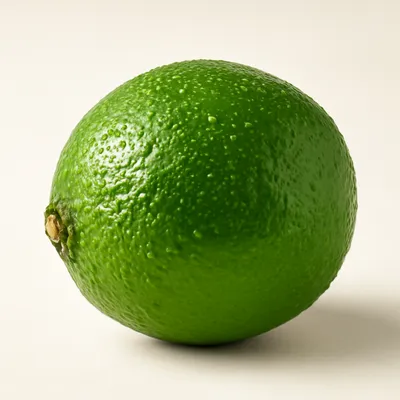
Pile chopped suadero onto the double tortillas; top with white onion, cilantro, salsa and a squeeze of lime.
Archive tool suggestions — not reviewed
These legacy suggestions have not been evidence-reviewed and are not presented as required tools.


