
A Mexico City taquería staple built on beef small intestine, slowly rendered on the comal until the strands turn chewy in the middle and shatter-crisp at the edges. The cleaned tripe is chopped onto a small corn tortilla with nothing more than chopped onion, cilantro, lime, and a fierce salsa. It belongs to the carnitas-and-suadero family of offal tacos sold from late-night street stalls, prized for the contrast of soft fat and crackling skin.
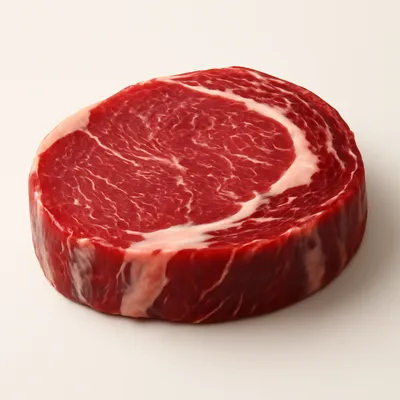



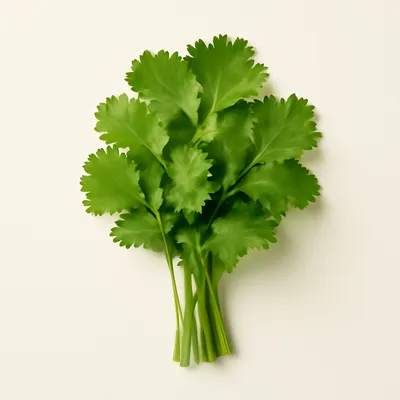
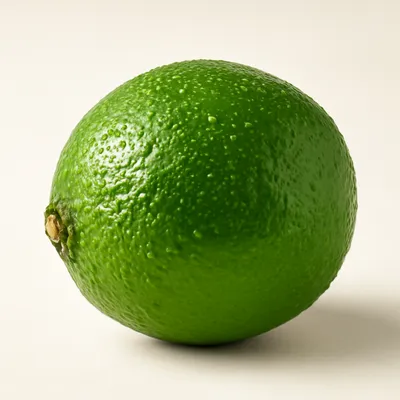
Tripa tacos belong to the offal-taco culture of central Mexico, where the cheaper cuts left after butchering — intestine, udder, sweetbreads — were cooked down by working-class taqueros rather than discarded. They are a fixture of Mexico City's taquerías and the post-midnight stalls around markets and cantinas, sold alongside suadero and longaniza from the same wide flat-top. The style spread north into Monterrey and across the border, but its everyday home remains the capital's curbside griddles. Exact first appearance is undocumented; the dish grew out of nose-to-tail butchery rather than any single inventor.
The first bite is the test: a good tripa taco crackles. The outer skin shatters like crackling, then gives way to a soft, faintly creamy chew in the middle where the fat hasn't fully rendered. It tastes deeply of beef fat and smoke off the griddle, never of cleaning. Onion and cilantro cut through, lime lifts it, and a chile de árbol salsa sets the whole thing alight. Two small tacos, eaten standing up, fingers greasy.
Everything depends on the clean and the slow render. The intestine is turned, scraped, and rinsed repeatedly — often soaked in milk, vinegar, or citrus — to strip any bitterness before it ever touches heat. On the comal it is cooked low and long in its own fat, closer to a confit than a fry: the rendering fat both cooks the tripe and crisps its surface through dry Maillard browning. Pulled too early it is rubbery; held too long it dries to leather. The window where the edge crackles but the center stays tender is the whole craft.
Variations
Beef small intestine (tripa de res) is the classic; some stalls also offer tripa de leche, the milkier, more tender section. Tacos de buche (pork stomach), nana (sow's womb), and ubre (udder) are sister offal offerings from the same griddle. North of Mexico City and along the border, tripa is grilled over charcoal rather than griddled, served drier and crisper. It is almost always paired with a hot red chile de árbol or salsa verde, rarely anything mild.
On the Palate
Where Tacos de Tripa sits in the Mexican flavor cloud
Ingredients
Serves 4
How it's made
6 steps · 40 min active + 50 min waiting
- 130 min
Turn the beef intestine inside out; scrape, rinse repeatedly, and soak in milk or vinegar-water to remove any bitterness.
Watch outRinse and soak until the water runs clean and the tripe no longer smells sour; any bitterness left now only concentrates over the long cook.
- 25 min
Drain, pat dry, and cut into manageable lengths; season lightly with salt.
- 35 min
Lay the tripe on a low-medium comal or flat-top with a little lard and let it render slowly in its own fat.
- 445 min
Cook patiently, turning, until the skin crackles and crisps at the edges while the center stays tender, 40-50 minutes.
Watch outCook low and patient so the tripe renders in its own fat; pull it the moment the edges crackle and go brittle but the center still gives — a minute too long and it dries to leather.
- 53 min
Chop the crisp tripe on the griddle and pile onto warm doubled corn tortillas.
- 62 min
Top with chopped white onion, cilantro, a squeeze of lime, and a fierce chile de árbol salsa.
Archive tool suggestions — not reviewed
These legacy suggestions have not been evidence-reviewed and are not presented as required tools.


