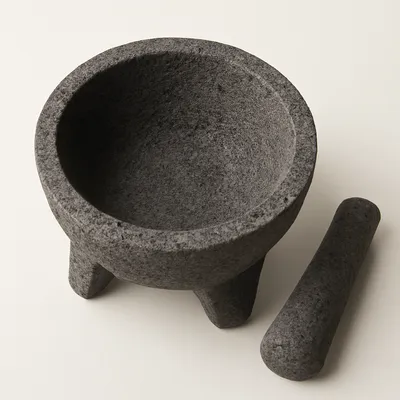
Aporreado is the Tierra Caliente breakfast guisado of Guerrero's hot lowlands: salted, sun-dried beef pounded soft, shredded, and scrambled into egg in a chile sauce until the meat re-softens into a saucy, stringy tangle. What marks the Guerrero version is the chile — cooks here build it on smoky, raisiny pasilla, where their Michoacán neighbors lean on guajillo and tart tomatillo for a greener, redder sauce. The name comes from aporrear, to beat or pound, for the way the dried meat is clubbed against a stone to fray it before cooking. It is hearty morning food from the hot country around Tierra Caliente towns, eaten with warm corn tortillas, pot beans, and an extra chile salsa.
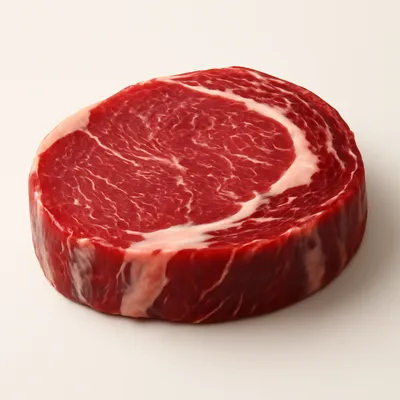





Aporreado is documented as a folk specialty of the Tierra Caliente, the hot lowlands of the Balsas river basin straddling Guerrero and Michoacán, where pre-refrigeration cattle ranching made salting and sun-drying meat a necessity. Vaqueros and arrieros carried the dried beef as durable provision; at camp or at home it was toasted, pounded soft, and stretched into a full meal with eggs and a chile sauce. In Guerrero the dish was traditionally made with venison (venado) before deer became scarce and beef took over — a heritage the older cooks still describe. The name is the documented basis of the dish: the dried meat is aporreado, beaten on a metate or molcajete, the verb deriving from porra, a club. No founding date or single originator is recorded; it is a regional ranch dish rather than one person's invention. The Guerrero–Michoacán split — Guerrero's pasilla against Michoacán's guajillo-and-tomatillo — is the documented regional marker between two siblings of the same hot-country tradition.
Soft, just-set scrambled egg laced with chewy, stringy strands of dried beef, all coated in a dark, faintly smoky pasilla sauce. The dried meat dominates — deeply savory, assertively salty, a little smoky from toasting, with a fibrous chew the egg never fully smooths. The pasilla brings a brooding, raisiny, low warmth rather than sharp heat, and a sauce browner and earthier than the guajillo-red of the Michoacán style. Rich and filling, it is scooped hot into a warm corn tortilla with a smear of beans, the salt of the meat begging for the tortilla's plainness.
The dried meat is pounded, not just torn: beaten on a stone metate or in a molcajete, the blows snap the long muscle fibers so the strands fluff and loosen instead of staying leathery — the same principle by which machaca rehydrates. Because curing pulls moisture out with salt, the beef is often rinsed or briefly soaked to draw off excess salt before it hits the pan. The pasilla is dry-toasted just to fragrant, then soaked and blended into the sauce; toasting deepens its raisiny, cocoa-like notes but a second past fragrant turns it bitter. The real re-softening happens in the pan — the egg and the watery chile sauce shed moisture as they cook, steaming the dry fibers tender from the inside while everything simmers together. That moisture transfer is what separates aporreado from frying jerky; fried hard and dry, the same beef would only toughen.
Variations
The defining regional contrast is with the Michoacán Aporreadillo of Huetamo and Apatzingán: that sibling leans on tart tomatillo with guajillo for a greener, redder sauce, where the Guerrero version is built on smoky pasilla, often with garlic and cilantro, for a browner, deeper one. Older Guerrero cooks made it with venison before beef; some still finish it with epazote, and the dried meat may be cecina or machaca depending on what the household has dried. Further north the Norteño Machaca con Huevo of Sonora and Coahuila is the dry-country cousin — air-dried machaca scrambled with serrano, onion, and tomato, runs drier, and is eaten in a flour tortilla, while the hot-south aporreado is saucier and served with corn.
On the Palate
Where Aporreado Guerrerense sits in the Mexican flavor cloud
Ingredients
Serves 4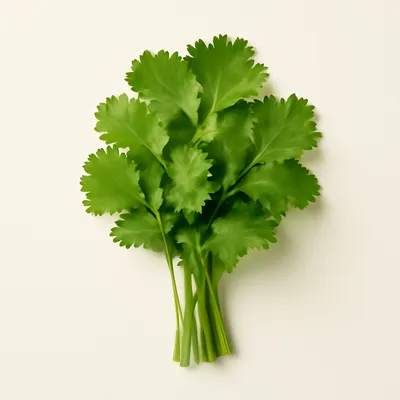

How it's made
8 steps · 35 min active + 5 min waiting
- 15 min
Rinse or briefly soak the dried salted beef to pull off excess salt, then pat dry.
- 28 min
Toast the dried beef lightly on a comal, then pound it on a metate or in a molcajete and shred it into loose strands.
Watch outPound the dried beef on the metate and shred it into loose strands — the blows snap the leathery fibers so they fluff and re-soften later; just tearing it leaves it tough.
- 38 min
Stem, seed, and dry-toast the pasilla chiles just to fragrant; soak in hot water until soft.
Watch outDry-toast the pasilla just to fragrant, no further — one second past and it turns bitter, souring the whole sauce.
- 45 min
Blend the soaked pasilla with garlic, tomato, and a little soaking water into a smooth dark sauce; season with salt.
- 54 min
Sauté the shredded beef in a little lard until it picks up color and aroma.
- 65 min
Pour in the pasilla sauce and let it simmer so the dried fibers begin to re-soften.
- 74 min
Beat the eggs and add to the pan, folding gently through the meat and sauce until just set and saucy.
Watch outFold the beaten eggs gently through the meat and sauce just until set and saucy — over-stir or overcook and it goes dry and hard instead of soft.
- 82 min
Serve hot with warm corn tortillas, pot beans, and an extra chile salsa, finishing with chopped cilantro if you like.
Archive tool suggestions — not reviewed
These legacy suggestions have not been evidence-reviewed and are not presented as required tools.