


Pico de gallo — literally rooster's beak — is a name found in central Mexican cooking from the late 19th century, though the chopped raw-vegetable preparation is older and unnamed in earlier texts. The name's etymology is debated: one theory points to the way diners pinch the diced salsa between thumb and forefinger like a beak; another to the small chile cubes resembling cockerel-pecked corn. Also called salsa fresca or salsa mexicana for its red-white-green tricolor — the Mexican flag in a bowl.
Rooster's beak — the name surfaces in late 19th-century central Mexican texts. Salt late, not early: salt draws water from tomato cell walls via osmosis, so salting at the start gives a soupy salsa within 15 minutes. The 4-5mm dice is the dish.
Different mouthfeel from any blended salsa — every spoonful gives distinct, separable bites: a tomato cube, a flake of onion, a thread of cilantro, a flash of chile. Cold and crisp, never saucy. Texture-driven, not flavor-driven. The lime hits the front of the tongue, the chile back-of-throat. On a hot taco the tomato cubes warm slightly and start releasing juice — that's when a good pico peaks, eaten fast before the dice softens.
The dice is the dish — chunk size determines mouthfeel and water release. Too large and the components don't marry; too small and it weeps within minutes. 4-5mm is the working range. Salting late is mechanically essential: salt draws water from tomato cell walls via osmosis, so adding salt at the start gives a soupy salsa within 15 minutes. Rinsing the onion deactivates allyl propyl disulfide (the burn compound) without cooking it, preserving crunch and color while removing the harsh raw bite.
Variations
Mexico City standard runs tomato-onion-serrano-cilantro-lime; Yucatecan xnipec subs habanero and bitter orange; northern Sonora pico de gallo de fruta swaps the tomato for jicama, cucumber, and watermelon with chile-lime.
On the Palate
Where Pico de Gallo sits in the Mexican flavor cloud
Ingredients
Serves 6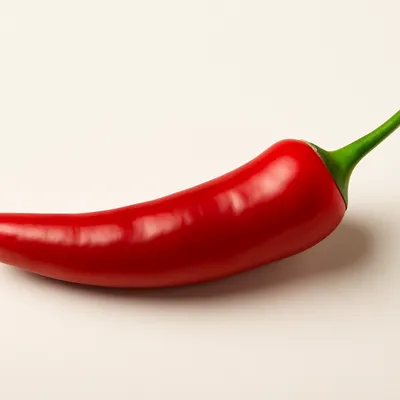
How it's made
5 steps · 15 min
- 15 min
Choose 4 firm-ripe Roma or vine tomatoes (~600g) — avoid soft beefsteaks; they release too much water and the salsa goes soupy. Halve, scoop out the seeds and gel with a teaspoon, then dice the flesh into 4-5mm cubes.
Watch outSkipping the deseed step gives a watery puddle on the plate within 20 minutes — it is the single most-skipped step that separates restaurant pico from home pico.
- 23 min
Dice 1/2 medium white onion (not red — red bleeds and overpowers) into matched 4-5mm cubes. Place in a fine sieve, rinse 30 seconds under cold water to soften the raw onion bite, then drain.
- 33 min
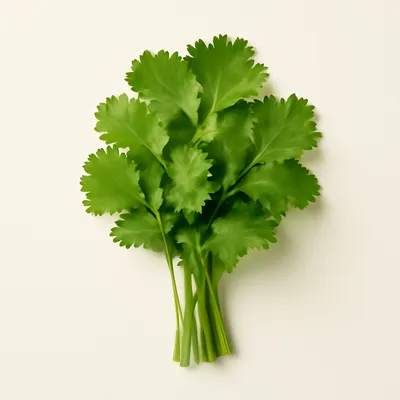
Stem and finely mince 1-2 serrano chiles — leave the seeds in for full heat, scrape them out for a milder version. Mince leaves and tender stems from 30g cilantro fairly fine but not pulverized.
- 42 min
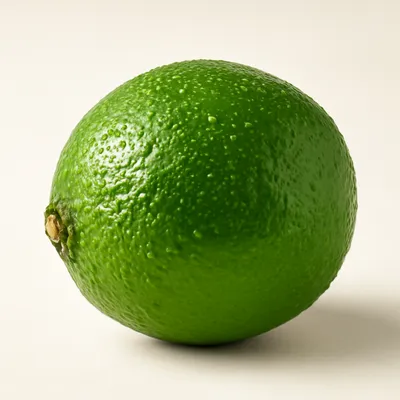
Combine tomato, drained onion, chile, and cilantro in a non-reactive bowl (glass or ceramic — not metal, the acid pits aluminum). Add the juice of 1 lime (~30ml) and 3/4 tsp salt. Toss with a spoon, do not crush.
- 52 min
Rest 5-10 minutes at room temperature for flavors to marry, then taste — adjust salt and lime. Serve in a small bowl with totopos, on tacos, over carne asada, or with grilled fish. Eat within 2 hours; refrigeration mutes the flavors and softens the dice.
Watch outSalt drives water out of tomato — never salt more than 10 minutes before serving or the salsa floods.
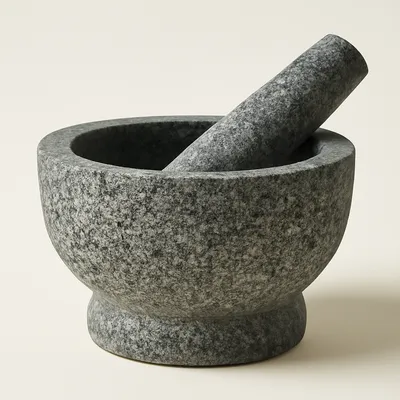
Archive tool suggestions — not reviewed
These legacy suggestions have not been evidence-reviewed and are not presented as required tools.