




Caldo de piedra is a pre-Hispanic Chinantec dish from the Papaloapan basin in northern Oaxaca — practiced for at least 1,000 years and possibly far longer, predating the cooking pot in that region. Traditionally a men's-only river dish prepared as a tribute to the village's women and children: Chinantec men returning from a fishing trip would split into groups to catch fish and shrimp, gather herbs, build a fire on the bank, and have the elders select the best stones from the Papaloapan, then assemble bowls in hollowed gourds. Today the village of San Felipe Usila (Oaxaca) has commercialized it as a cultural-tourism dish; some restaurants in Oaxaca City serve adapted versions. In 2021 the Congress of Oaxaca declared it an Intangible Cultural Heritage of Oaxaca.
Pre-Hispanic Chinantec river dish from the Papaloapan basin, practiced for at least 1,000 years — possibly older than the cooking pot in that region. A 800g granite stone heated to 700°C carries 350-400 kJ, enough to flash-boil 250ml of broth for ~45 seconds. That window cooks the fish.
The bowl arrives cold, full of bright raw ingredients, looking unfinished. The host tongs in two glowing stones — a violent boil erupts, steam blooms a foot upward, the broth flashes opaque. By the time you lift the spoon, the fish is just-cooked, the herbs are wilted into translucent green, and the chayote still has snap. Tomato-cilantro-epazote-lime-chile in that order. The broth tastes of river stone — a faint mineral note unique to this method. Benchmark: fish flakes but doesn't break apart; if it's tough, the stones weren't hot enough.
The physics is simple but precise: a 800g granite stone heated to 700°C carries about 350-400 kJ of stored thermal energy — enough to bring 250ml of room-temperature water past 100°C and hold a violent boil for roughly 45 seconds before equilibrium. That window is exactly what cooks the fish (which needs 70°C internal for 30 seconds for safety). The mineral taste comes from trace silicate dust on the stone surface; the steam plume is what makes it dramatic. Wrong stone (sedimentary, wet, glazed) explodes from trapped water vapour — this is why the technique stayed regional and never industrialized.
Variations
San Felipe Usila is the village capital and runs the cultural-tourism version; Restaurante Tlamanalli in Teotitlán del Valle serves a refined indoor adaptation; some Oaxaca City restaurants use volcanic basalt instead of river granite.
On the Palate
Where Caldo de Piedra sits in the Mexican flavor cloud
Ingredients
Serves 4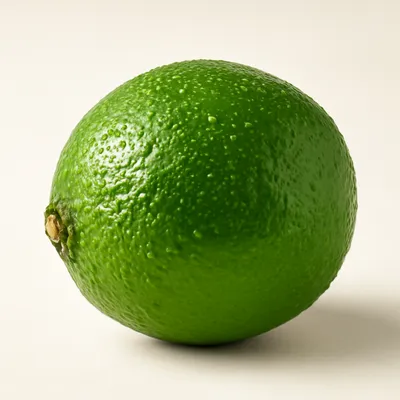



How it's made
7 steps · 30 min active + 30 min waiting
- 150 min
Build a hardwood fire (or charcoal pile) capable of 700°C+. Place 6-8 river stones (smooth, dense, palm-sized — granite or basalt, NEVER sedimentary or porous) in the heart of the fire. Heat for at least 45 minutes until the stones glow dull red.
Watch outWet, porous, or layered stones EXPLODE when heated — pre-test stones outdoors on a small fire weeks ahead. Granite/basalt only.
- 28 min
Cut 600g firm white river fish (robalo, mojarra, or tilapia) into 3cm cubes. Salt lightly. Reserve.
Watch outSushi-grade fish only — the stones cook the fish in 60-90 seconds and the centre may stay rare.
- 38 min
Char 3 ripe tomatoes and 2 garlic cloves on a comal until skins blacken in patches, 5 minutes. Peel tomatoes; chop with garlic into a coarse salsa.
- 410 min
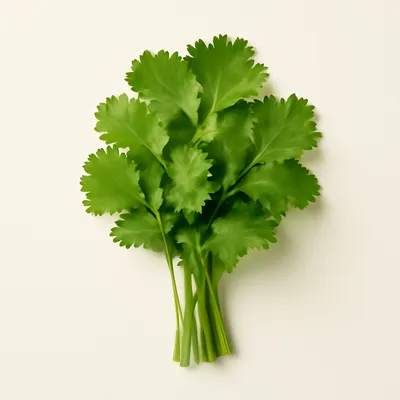
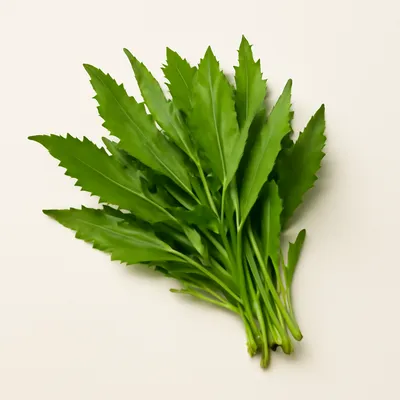
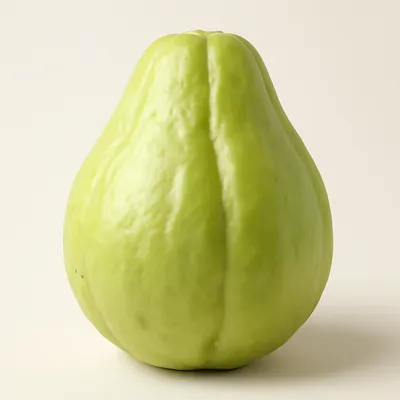
Have ready: 1 small bunch cilantro (chopped), 1 small bunch epazote (chopped), 2 finely diced jalapeños, 2 limes (quartered), 1 small white onion (finely diced), 1 chayote (cut into thin batons).
- 56 min
Into 4 thick-walled clay bowls (jícaras or carved gourds traditionally), divide: charred salsa, fish cubes, herbs, onion, chile, chayote, juice of half a lime each. Pour 250ml cold water (or cold fish stock) over each.
Watch outBowls must be thick-walled and unglazed — thin or glazed ceramic CRACKS when stones drop in.
- 68 min
Using a long-handled iron tong or cast-iron ladle, lift 2 glowing stones from the fire, brush off ash, and drop them swiftly into one bowl. The broth boils violently for 30-60 seconds, releasing a steam plume; the fish cooks instantly. Serve immediately. Repeat for each bowl.
Watch outPour or drop the stone close to the surface — high drops splash boiling broth on the eater. This is theatre, not a stunt.
- 75 min
Eat within 3 minutes — the stones cool fast and the dish goes back to lukewarm. Pull the stones out with a spoon when done eating; some Chinantec elders chew the herb fragments still clinging to the stone for luck.
Watch outDon't try to eat around the stones — fish them out with a spoon onto a side plate.
Archive tool suggestions — not reviewed
These legacy suggestions have not been evidence-reviewed and are not presented as required tools.
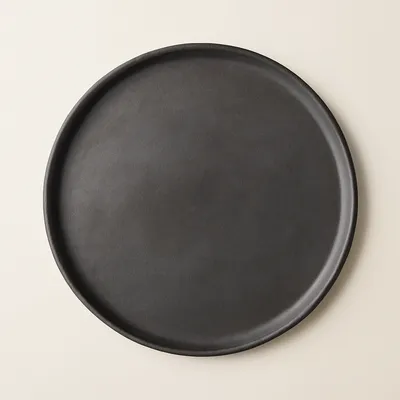
A flat round griddle of steel, cast iron, or unglazed clay, 30-50 cm across, the workhorse of the Mexican kitchen. It sits directly over a flame to toast tortillas (the puff happens in 30 seconds when the heat is right), char chiles for moles, blister tomatoes for salsas, and warm reheated leftovers. Clay comales (especially from Oaxaca) season with each use and impart a faint smoky tang that no metal version can fake.
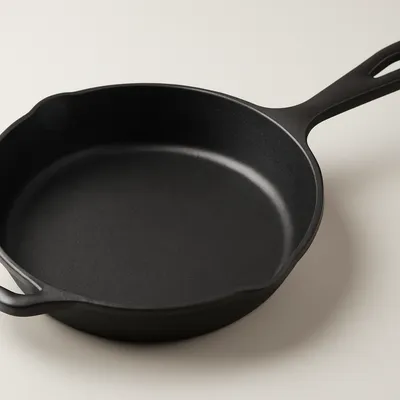
A heavy, single-piece cast iron pan, 25-30 cm across, weighing 1.5-2.5 kg. Once preheated, the thick mass holds 230°C+ even when a cold steak hits the surface — that's the secret to a deep crust. A well-seasoned skillet (multiple thin layers of polymerized oil baked into the iron) is essentially nonstick, gets better with use, and lasts a century. Lodge skillets from Tennessee have been in continuous production since 1896.
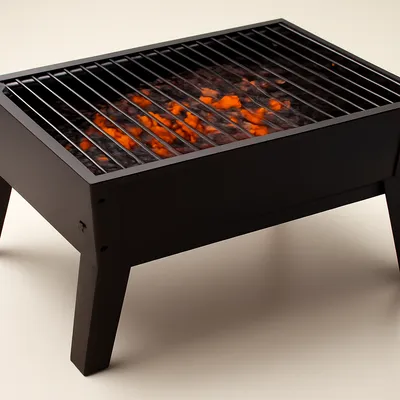
An open or hooded metal frame holding a bed of glowing charcoal embers, with a grate above. Charcoal burns at 700°C+ on the surface and emits short-wave infrared, which cooks proteins faster and with deeper Maillard browning than gas. Hardwood lump charcoal (oak, mesquite, fruitwood) lends its own smoke; cheap briquettes do not. Mastery is mostly heat zoning — direct over coals for searing, indirect off-coals for slow-roasting.


